


Brass Oriental Dish
A brass oriental dish brings intricate metalwork, enamel and historic artistry into a room.
Brass Oriental Dish
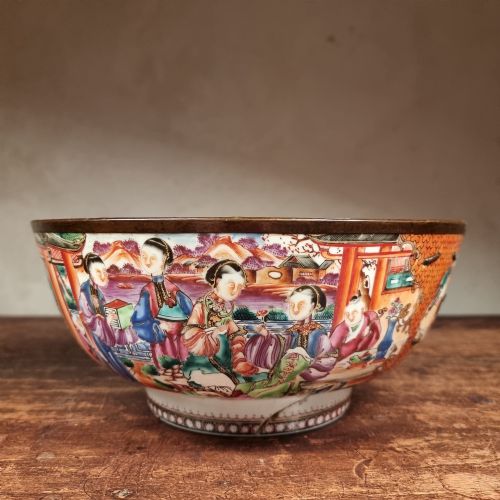
A brass oriental dish covers decorative plates, bowls, chargers, and jardinières originating from Chinese and Japanese traditions. When searching for a brass oriental dish, buyers encounter heavy metal vessels and intricate enamel plaques dating from the nineteenth and early twentieth centuries.
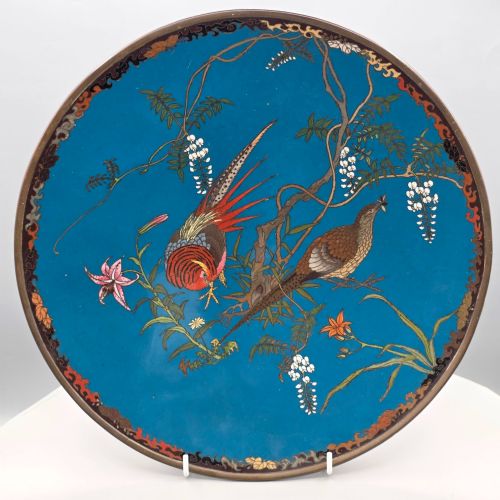
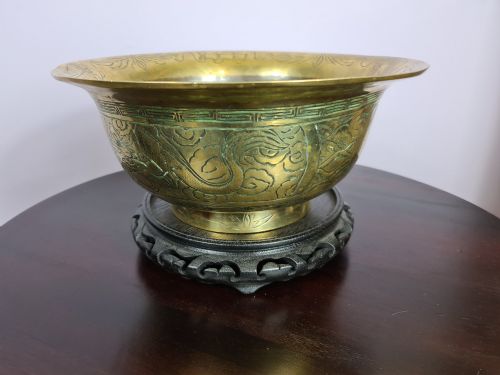
The selection ranges from large Meiji period chargers adorned with birds and landscapes to heavy Chinese brass bowls. Victorian orientalism and Qing dynasty influences also shape the diverse forms available.
Decorative chargers and deep bowls dominate the selection, offering striking visual focal points for display. These pieces reflect distinct craftsmanship from eras such as the Edo and Meiji periods.
How they were made
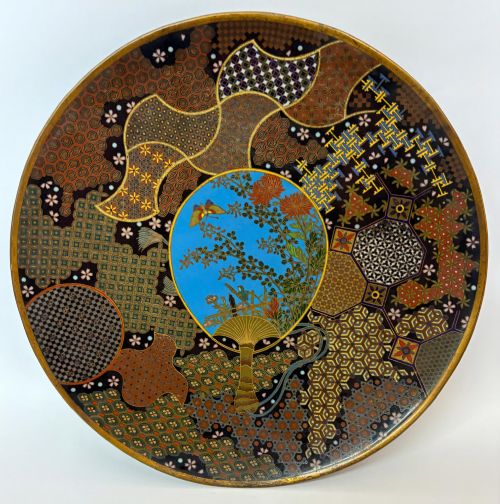
Artisans utilised base metals such as brass, bronze, and copper to form the structural body of each dish or bowl. Surface decoration frequently involved cloisonné enamel, integrating delicate wirework with coloured pastes to create pictorial scenes.
Mixed-metal techniques and gold inlay appear on specific Japanese pieces, adding fine surface detail and tonal contrast. Skilled metalworkers hammered, cast, and polished these materials to achieve durable, decorative surfaces.
Current listings feature items spanning the 1850s to the 1930s, incorporating brass, bronze, copper, and cloisonné enamel.
What varies in quality
The density and weight of the brass or bronze foundation set a baseline for durability and substance in each vessel. Lighter utilitarian items differ significantly from substantial chargers designed for display.
The precision of the enamel work and wire soldering dictates visual refinement in cloisonné pieces. Superior examples exhibit intricate pictorial detail, such as flora, fauna, and landscapes executed with high technical control.
The Brass Oriental Dish Glossary
- Cloisonne Enamel
- A decorative technique where thin metal wires form compartments on a metal base, which are then filled with coloured enamel paste and fired. This method creates detailed patterns of birds, flowers, and landscapes across plates and bowls.
- Charger
- A large ornamental plate traditionally utilised for display rather than dining. These substantial pieces often serve as central decorative wall or table elements.
- Jardiniere
- A large decorative pot or bowl used to hold plants or flowers. In oriental metalwork, these sturdy brass and bronze vessels feature surface ornamentation.
- Meiji Period
- A Japanese historical era lasting from 1868 to 1912 characterised by opening trade and exceptional metalwork output. Pieces from this time frequently display detailed cloisonné and mixed-metal designs.
- Qing Dynasty
- The final imperial dynasty of China, spanning from 1644 to 1912. Items from this period encompass distinctive brass bowls and display plates.
Brass Oriental Dish: Frequently Asked Questions
How were these dishes used?
Many of these metal vessels served primarily as decorative display items on walls, stands, or tables. Jardinieres and larger bowls functioned as planters or interior receptacles for floral arrangements.
Heavier brass and bronze examples were built to hold substantial contents or anchor formal room decor. Their ornamental nature meant they spent more time on display than in utilitarian service.
How do I date a piece?
Dating relies on stylistic markers, manufacturing techniques, and recorded period origins such as the Meiji or Edo eras. Reference to nineteenth-century production methods helps narrow down the timeframe.
Examining the metal composition and enamel style offers further clues regarding the decade of manufacture. Victorian orientalism also provides a contextual marker for pieces made during the later nineteenth century.
What motifs appear on them?
Common decorative subjects include birds such as ibises, owls, and small songbirds alongside botanical elements like chrysanthemums. Natural scenes featuring Mount Fuji, landscapes, and leaping koi fish are also frequently depicted.
Figurative subjects like Benzaiten and dragons appear in specialised styles such as Komai work. These motifs reflect traditional East Asian artistry adapted for domestic display.
How do I care for brass?
Maintenance involves gentle dusting and avoiding harsh abrasive cleaners that can damage enamel or patinated metal surfaces. Keeping pieces in stable indoor environments protects inlaid wires and delicate surface finishes.
Enamelled sections require particular care to prevent chipping or scratching the glass-like paste. Regular soft cloth wiping preserves the historic lustre of the brass and bronze.