




Heavy Brass Basin
These heavy brass basin examples are robust metal vessels shaped for utility and display, offering substantial weight and tactile presence to collectors.
Heavy Brass Basin
A heavy brass basin comprises substantial metal vessels designed for domestic utility and decorative display. The inventory includes utilitarian pans, planters, and decorative bowls spanning Georgian, Victorian, and later periods.
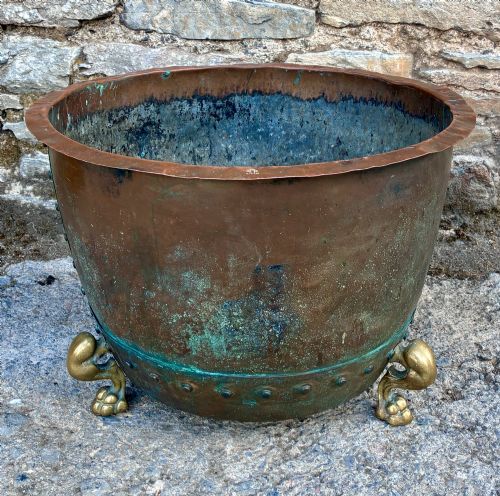
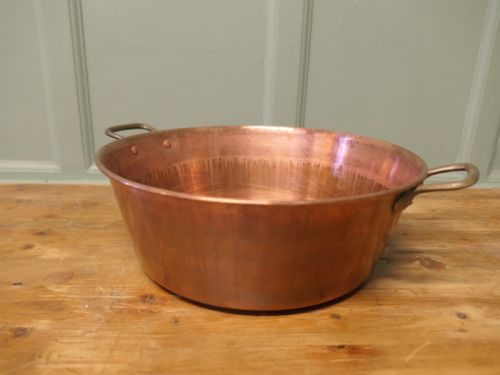
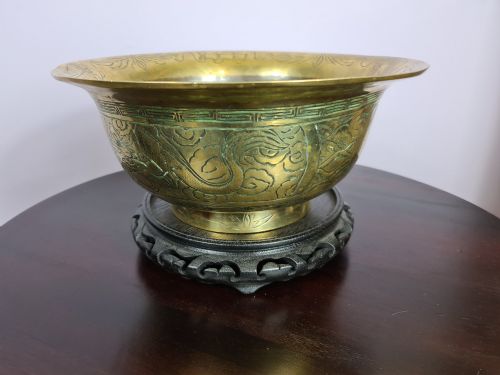
Buyers encounter robust items fashioned from brass alongside related copper, bronze, and silver plate pieces. Forms range from utilitarian preserving pans and log bins to Chinese bronze bowls and Oriental jardinieres.
The selection reflects both British country vernacular and international manufacture, including Chinese Qing Dynasty influences and Art Deco dinanderie work. These items combine practical historical functions with decorative gravitas.
How they were made
Construction relies heavily on durable metals such as brass, copper, and bronze, often shaped with riveted seams and reinforced handles. Artisans hammered and cast these materials to create thick-walled vessels capable of withstanding heavy domestic or culinary use.
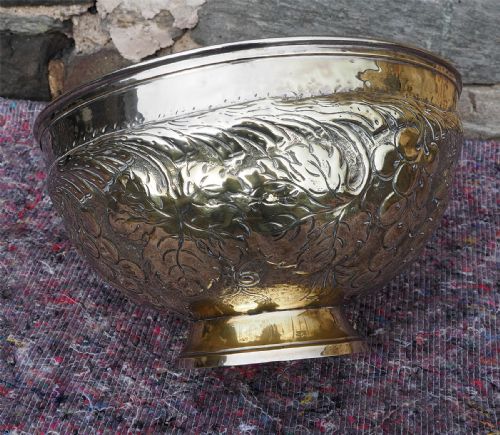
Surface finishes display both utilitarian patination and decorative manipulation, including dinanderie techniques on Art Deco pieces. Iron and silver plate components appear selectively for reinforcement or finishing touches on specific forms.
What varies in quality
Quality rests in the physical heft and thickness of the metal, distinguishing solid, substantial castings and hand-hammered bodies from lighter wares. Superior examples exhibit clean structural integrity, secure riveting, and well-balanced handles.
Artistic execution and decorative depth set finer items apart, particularly in the chased surface detail of Chinese bronze bowls and the sophisticated patination of Victorian planters. The harmony between original domestic function and enduring structural preservation dictates the standing of each piece.
Hodges & Sons
The Heavy Brass Basin Glossary
- Dinanderie
- An Art Deco technique involving applied ornamentation or chemical patination on base metals like copper and brass. It creates textured, decorative surfaces on vessels and cauldrons.
- Jardiniere
- An ornamental pot or stand designed to hold live plants or flowers. These items often feature substantial weight and decorative metalwork.
- Preserving pan
- A wide, deep vessel traditionally utilised for boiling fruit and sugar jams. They frequently incorporate sturdy handles for lifting heavy loads.
- Patina
- The natural surface coloration and sheen developed through age and handling. It indicates authentic historical use on bronze and copper.
Heavy Brass Basin: Frequently Asked Questions
What were heavy brass basin examples used for?
These robust vessels served primarily demanding domestic roles such as preserving fruit, heating water, or holding heavy loads of logs and plants. Their thick metal construction ensured they withstood intense daily friction and heat.
Over time, many of these utilitarian objects transitioned into decorative reception pieces, valued for their substantial weight, rich metallic patination, and impressive proportions within a room.
How do I clean a heavy brass basin?
Maintenance usually involves gentle dusting and occasional wiping with a soft, dry cloth to preserve the accumulated historical patination. Aggressive chemical polishing can strip away the aged surface character that collectors prize.
If washing is necessary, use mild soapy water and dry thoroughly immediately afterward to prevent spotting. Avoid abrasive scourers that might scratch the original metal surface.
How do I date a heavy brass basin?
Dating relies on examining manufacturing techniques, such as hand-hammering marks, riveted construction methods, and overall stylistic markers. Georgian and Victorian pieces often show distinct tool signatures and heavier metal gauges compared to later twentieth-century items.
Comparing the form and material against established periods like the Art Deco era or the nineteenth century helps narrow down the origin. Documentation or maker marks, when present, provide definitive chronological guidance.