





Qing Style Brass
These pieces sold under qing style brass are decorative objects and lamps forged in metal, ceramic, and wood, valued for traditional Chinese motifs.
Qing Style Brass
When searching for qing style brass, buyers encounter a mix of metalwork, ceramics, and lacquer pieces reflecting Chinese Imperial and Late Qing Dynasty traditions. The selection includes brass bowls, jardinières, incense burners, and table lamps alongside porcelain vessels adapted for lighting.
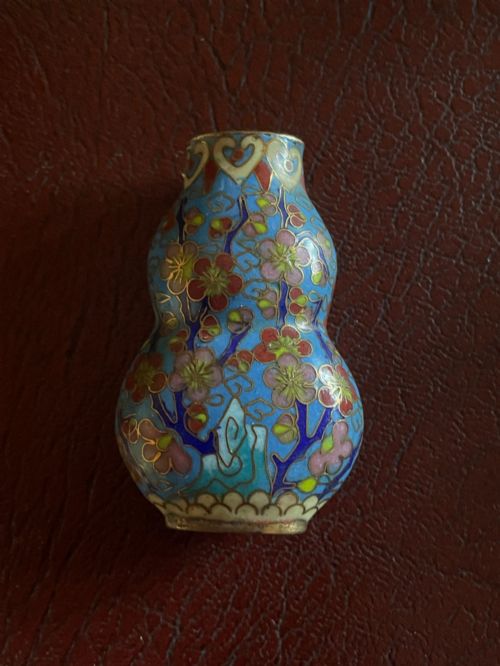
Most items on this page originate from the nineteenth and early twentieth centuries, spanning periods from eighteen-eighty to nineteen-thirty. Forms range from miniature cloisonné vases to large bronze jardinières and horseshoe armchairs inlaid with brass.
Asian antique and Chinoiserie styles dominate the inventory, often pairing brass or bronze with enamel, wood, and porcelain. Buyers also find decorative boxes, sculptures, and side tables that fit the aesthetic of traditional Chinese export decorative art.
Materials and construction methods
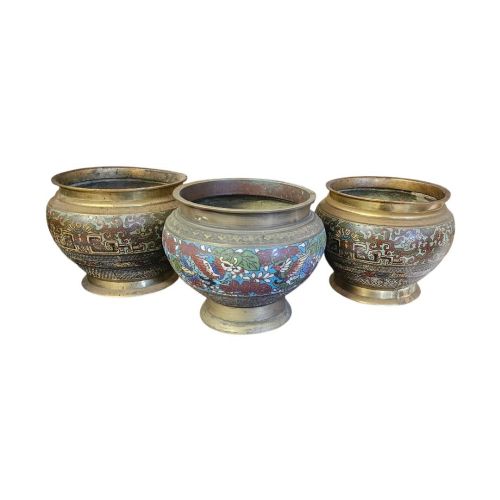
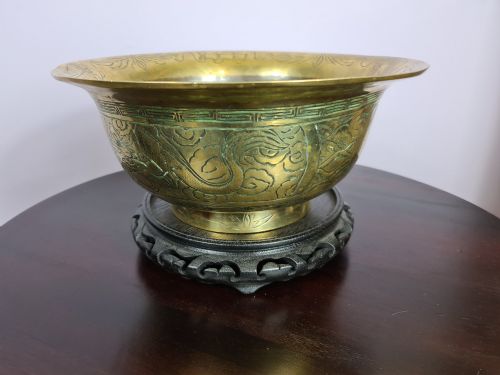
Metalwork pieces rely on casting and hammering techniques, utilising brass, bronze, and copper to form heavy bowls, burners, and vases. Many surfaces incorporate champlevé and cloisonné enamel work to create intricate coloured patterns.
Wood elements feature hardwood and red lacquer construction, often combined with brass inlay work as seen in nineteenth-century armchairs and campaign cases. Porcelain and pottery bodies are frequently mounted or converted into table lamps.
Listings feature periods spanning from eighteen-fifty to nineteen-thirty, alongside Victorian and Late Qing Dynasty eras, utilising brass, bronze, copper, porcelain, hardwood, enamel, and lacquer.
Evaluating craftsmanship and condition
Quality separates in the precision of metal casting, the crispness of brass inlay, and the finesse of enamel work on cloisonné surfaces. Heavier vessels and detailed hand-chiselled ornamentation generally indicate finer workshop production.
Preservation of original lacquer surfaces, enamel integrity, and patination dictate the desirability of these antiques. Converted items like porcelain or vase lamps show variation depending on the skill of the adaptation and the retention of period mounts.
The Qing Style Brass Glossary
- Cloisonné
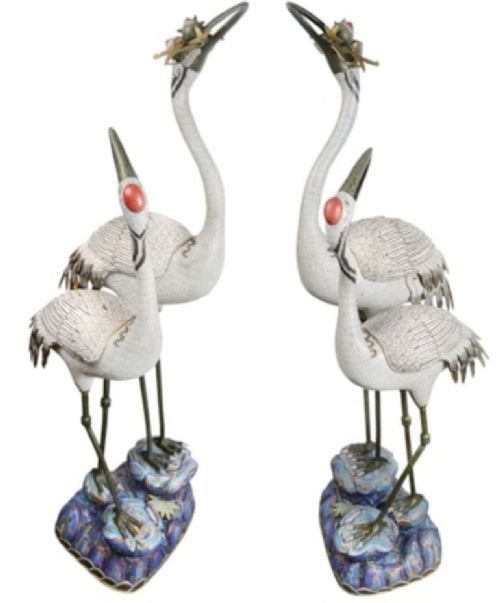
- Enamelling technique where thin metal wires form compartments on a metal base to hold coloured paste before firing. This method creates vibrant, patterned decorative surfaces on vases and figures.
- Champlevé
- Enamelling method where troughs are gouged into a metal surface and filled with enamel powder prior to heating. It results in rich, multicoloured designs often seen on bronze jardinières.
- Famille Verte
- Chinese porcelain palette dominated by green enamel hues, developed during the Qing dynasty. Pieces in this style frequently appear as ginger jars or converted table lamps.
- Sang De Boeuf
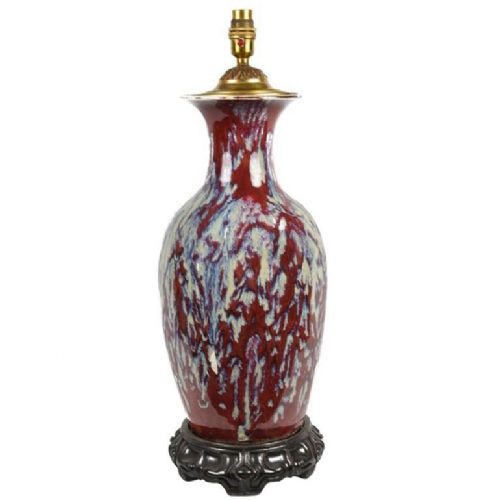
- Rich ox-blood red ceramic glaze developed in Chinese kilns and applied to vases and lamp bases. The deep crimson colour varies in tone across the fired body.
- Jardinière
- Decorative ornamental pot or stand designed to hold large plants or floral arrangements. These are commonly cast in heavy bronze or brass.
- Horseshoe Armchair
- Traditional Chinese chair design featuring a curved, continuous back and arm rail. Examples in the inventory incorporate brass inlay details on hardwood.
Qing Style Brass: Frequently Asked Questions
What defines qing style brass items?
These pieces encompass metal vessels, lamps, and decorative objects made in the tradition of the Chinese Qing dynasty or later revival periods.
They combine heavy brass and bronze casting with Asian aesthetic motifs, often integrating enamel or wood elements.
How were these brass and bronze pieces used?
Many items served practical or ritual functions in traditional settings, such as burning incense, holding plants as jardinières, or containing valuables in decorative boxes.
Other objects were created purely for display or export markets, a function that expanded as pieces were later adapted into table lamps.
How do I date nineteenth-century Chinese metalwork?
Dating relies on stylistic markers, manufacturing techniques, and material composition typical of the Late Qing Dynasty and the broader nineteenth century.
Comparing the depth of patination, the style of enamel work, and construction methods helps place pieces between eighteen-eighty and nineteen-thirty.
How do I care for antique brass and lacquer?
Maintenance requires gentle dusting with a soft, dry cloth to protect delicate metal patination and fragile red lacquer surfaces.
Harsh chemical polishes should be avoided to preserve the historic finish and any underlying enamel or inlay work.