


Dragon Motif Vessel
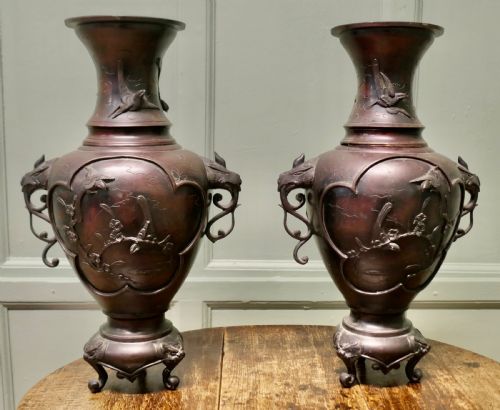
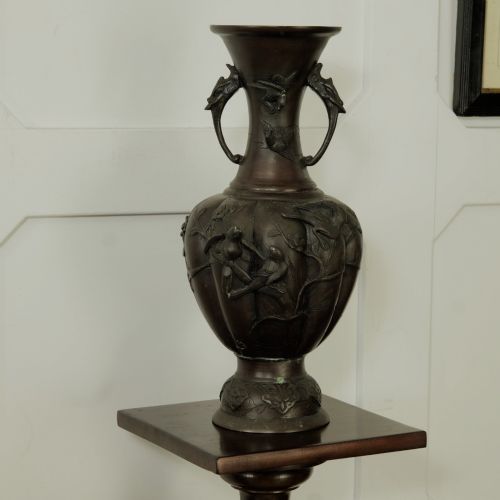
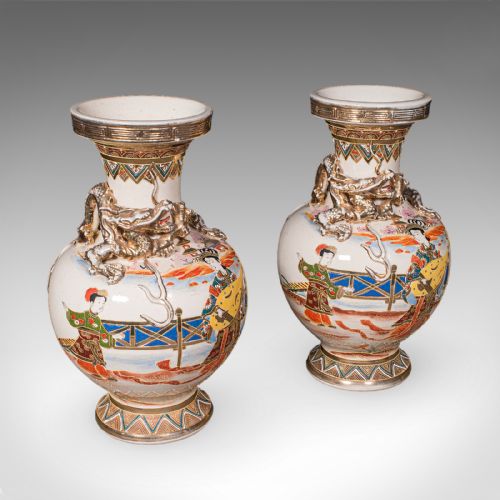
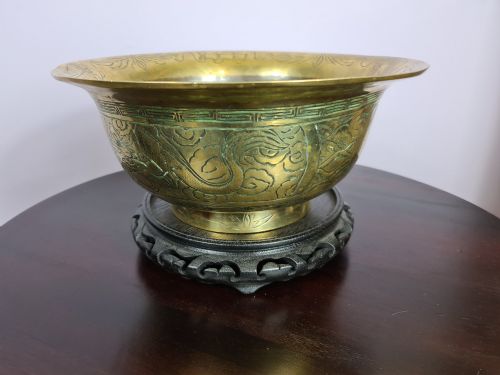
These dragon motif vessel examples span nineteenth-century Japanese bronze work and Chinese brass, earthenware, and enamel, offering mythical relief and form.
Dragon Motif Vessel
When you search for a dragon motif vessel, you encounter items shaped as vases, temple water dispensers, garden urns, and decorative bowls. The selections on this page centre on nineteenth-century Japanese bronze work from the Meiji period and Chinese brass, earthenware, and enamel pieces.
The objects vary from monumental garden temple vessels and heavy altar vases to smaller baluster ceramic vases and decorative bowls. Japanese Meiji period examples and Chinese traditional pieces dominate the selection, showing distinct regional manufacturing methods and artistic traditions.
How they were made
The metal vessels utilise bronze, brass, copper, and patinated bronze, often formed through casting and finished with detailed surface work. Cloisonné and champlevé enamel techniques add coloured decoration to the metal bodies of select pieces.
Ceramic and earthenware pieces employ traditional glazing methods, including blue and white porcelain and Satsuma ware styles. Gold leaf sometimes provides highlight details across the surfaces of these vessels.
Listings include items spanning the Victorian era, the nineteenth century, and the 1880 to 1930 period.
What varies in quality
Quality rests upon the crispness of the dragon motif relief and the control shown in the casting or ceramic shaping. Heavier metal vessels and finely detailed cloisonné enamel work demonstrate greater labour input than simpler forms.
The depth of the patina on bronze surfaces and the precision of the enamel cells dictate the visual weight of the piece. Well-preserved gilding and intact enamel channels elevate the finish of individual examples.
The Dragon Motif Vessel Glossary
- Meiji Period
- The era of Japanese history lasting from 1868 to 1912, known for accomplished metalwork and ceramic exports. Pieces from this time often display dynamic animal and mythical motifs.
- Cloisonné
- An enamelwork technique where thin metal wire creates raised barriers on a metal base to hold coloured paste before firing. This method produces intricate patterned surfaces across decorative vessels.
- Champlevé
- An enamelling process where troughs are gouged into a metal base and filled with enamel prior to firing. The surrounding metal remains visible as part of the final design.
- Baluster
- A vertical architectural form with a swelling lower portion that tapers towards the top, frequently seen in vase silhouettes. This shape provides stability and visual balance to ceramic vessels.
- Patinated Bronze
- Metal treated with chemicals or heat to create a stable surface coloration, ranging from deep brown to verdigris. This finish protects the underlying alloy while enhancing sculptural detail.
Dragon Motif Vessel: Frequently Asked Questions
How do I clean a bronze dragon motif vessel?
Dust the surface gently with a soft, dry brush to remove loose particles. Avoid using water, soap, or metal polish, as these substances can strip the historic patina.
For stubborn grime, consult a professional conservator rather than attempting chemical cleaning at home. Preserving the original surface finish maintains the character of the metal.
Where were these dragon motif vessels displayed?
Many of the larger examples served as temple furnishings, garden ornaments, or palace decorations. Their imposing scale suited ceremonial spaces and formal reception rooms.
Smaller ceramic and bronze pieces were designed for domestic display on altars, tables, or specialised stands. Their detailed motifs were meant for close appreciation.
How do I distinguish Chinese from Japanese pieces?
Look to the specific stylistic traits and material choices evident in the manufacturing. Japanese pieces frequently date from the Meiji period and utilise dynamic bronze casting or Satsuma ceramic styles.
Chinese works often reference Qing dynasty traditions, employing blue and white porcelain or heavy brass and bronze altar forms. Examining the baseline aesthetic conventions clarifies the origin.
Can these heavy vessels support water?
While historic items like temple water dispensers held liquids, modern use requires caution. Internal hairline fractures or aged seals can develop leaks over time.
It is safest to use a separate inner container if you plan to display fresh floral arrangements inside antique vases or urns. This protects the original interior from moisture damage.