
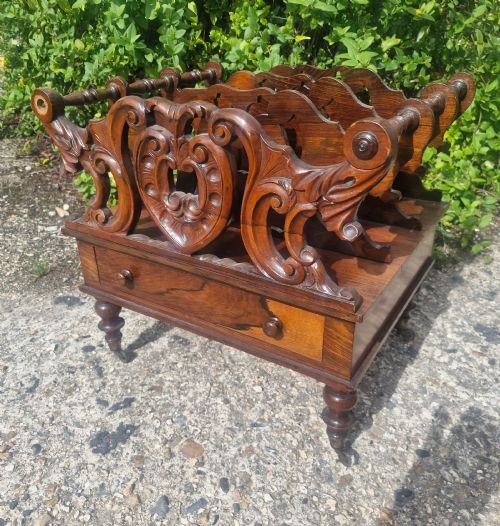


Carved Wood Stand
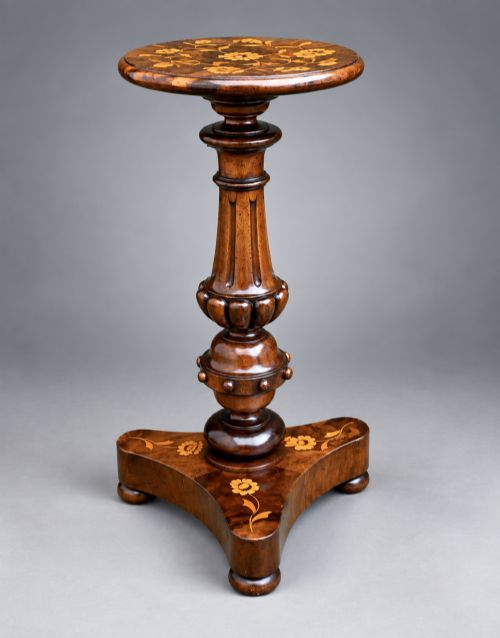
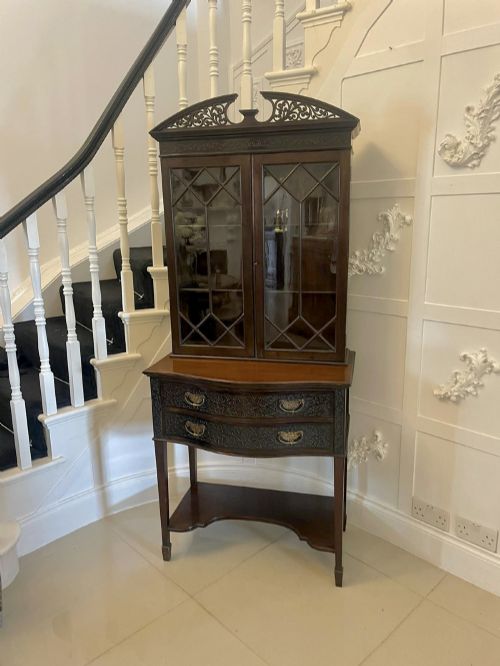
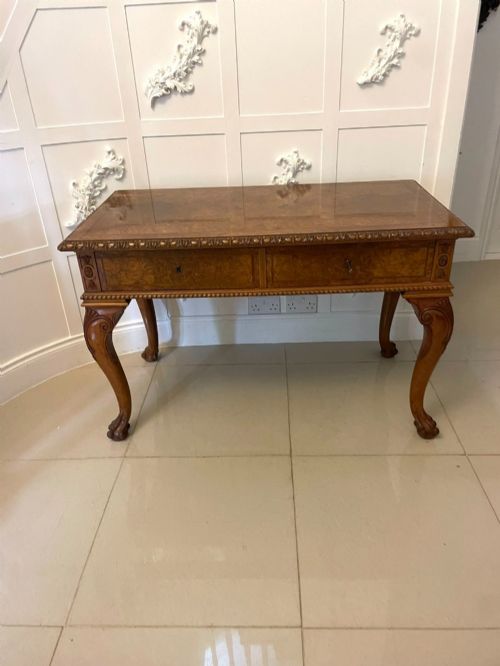
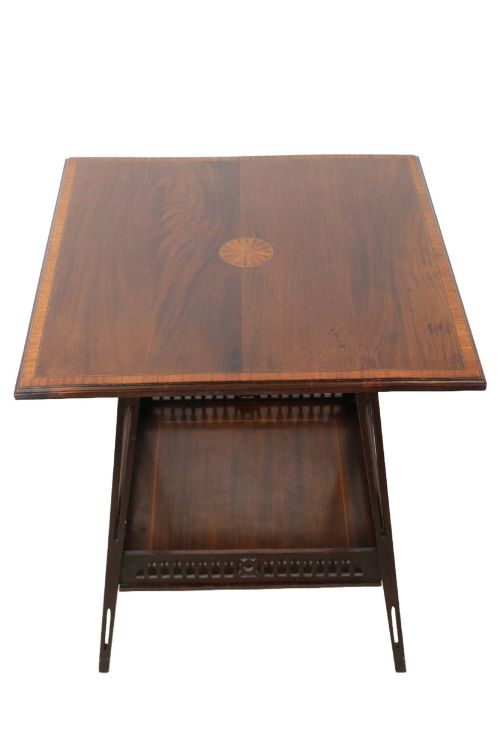
When you encounter a carved wood stand, you are looking at functional Victorian, Edwardian, and earlier furnishings shaped to hold plants, lamps, or decorative objects.
Carved Wood Stand
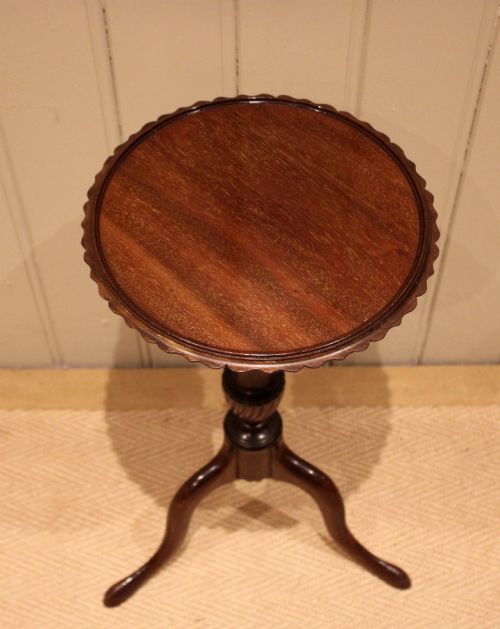
A carved wood stand serves specific domestic roles, appearing frequently as plant stands, lamp standards, torcheres, and low tables designed to elevate objects within a room.
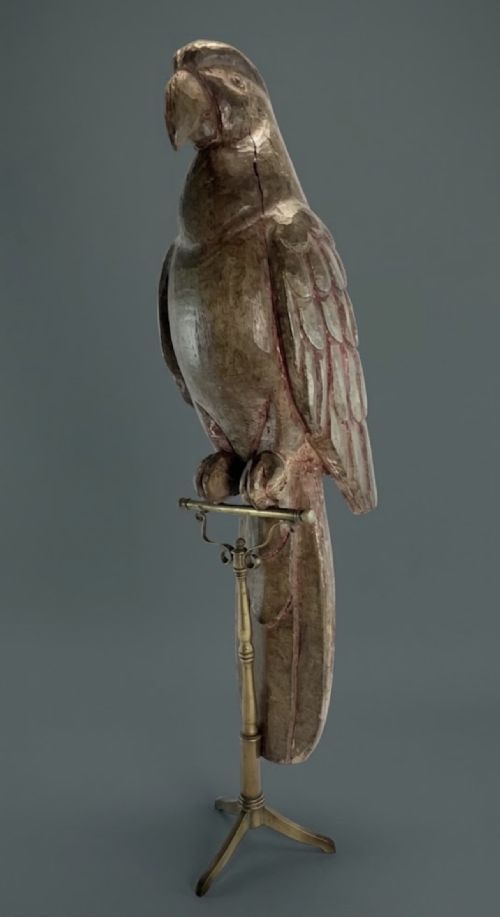
The selection ranges widely across periods, including 18th-century Italian silvered torcheres, Victorian rosewood and oak examples, and 19th-century Chinese hardwood and marble-topped designs.
Buyers meet versatile forms such as tripod tables, column pedestals, and multi-tiered jardiniere supports originating from diverse European and Asian workshops.
How they were made
Carpenters and carvers utilised dense timbers such as mahogany, walnut, rosewood, oak, and exotic hardwoods, often shaping them with detailed hand-carved ornamentation.
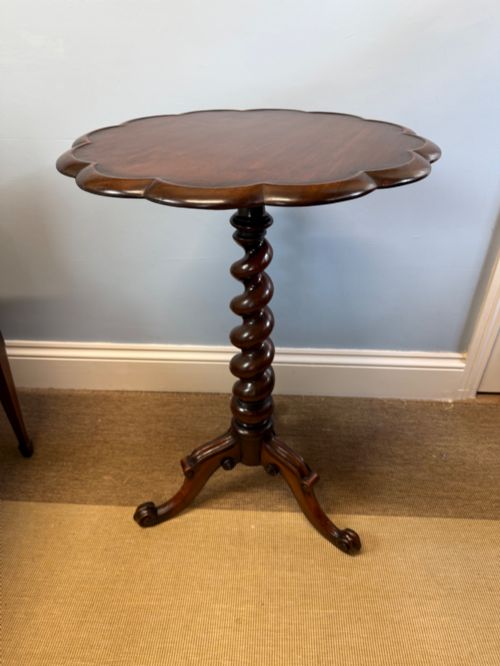
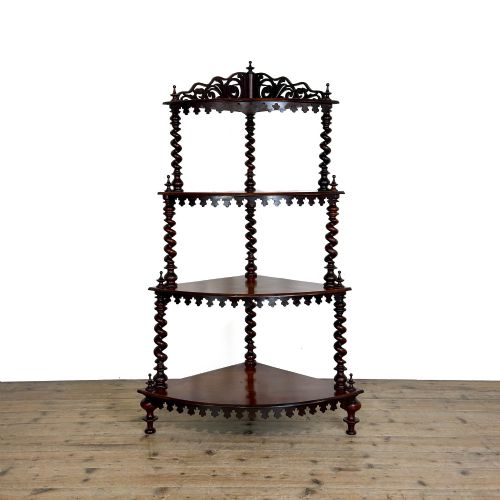
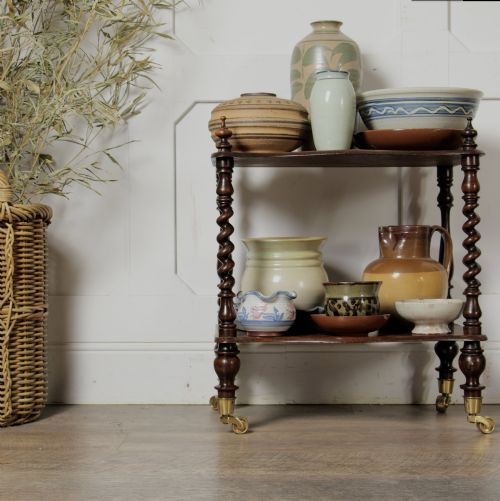
Construction techniques include traditional joinery, turned barley twist columns, tripod bases, and inset marble tops frequently paired with structural wood frames.
Listings include oak, mahogany, walnut, and rosewood across Victorian, Edwardian, and 18th-century periods.
What varies in quality
Depth and crispness of the carving distinguish standard production pieces from finer examples, where crisp floral, foliate, or figural motifs show individual hand work.
The choice of dense, highly figured timber like burr walnut or select rosewood alters the visual weight and longevity of the piece.
Trevor Page & Co·Gabriel Viardot·Gillow
The Carved Wood Stand Glossary
- Torchere
- A tall stand designed to support a candle, lamp, or vase. These tall pedestals often feature carved wooden shafts and circular tops.
- Jardiniere stand
- A low or medium table specifically constructed to hold plant pots and floral displays. They frequently incorporate inset marble tops to resist moisture.
- Tripod base
- A support structure utilising three legs radiating from a central column. This design provides stable footing for small tables and lamp standards.
- Barley twist
- A type of turning shaped like a spiral rope. It appears frequently on the vertical supports of Victorian stands and whatnots.
- Hardwood
- Timber derived from broad-leaved trees such as mahogany, oak, and rosewood. These dense materials are selected for their durability and suitability for intricate carving.
Carved Wood Stand: Frequently Asked Questions
What is a carved wood stand used for?
These furnishings primarily elevate decorative items, including table lamps, ceramics, urns, and indoor plants. Their elevated platforms bring objects into better view while making use of vertical space in reception rooms and hallways.
Historically, specific forms like torcheres held lighting devices, while low stands showcased prized oriental vases or floral arrangements. Today, they integrate easily into residential interiors as accent furniture.
How do I date a carved wood stand?
Dating relies on observing timber choices, construction methods, and stylistic cues associated with periods like the Victorian, Edwardian, or 18th century. For example, heavy rosewood and elaborate barley twists point toward Victorian production, while clean oak forms often align with the Arts and Crafts era.
Matching the carved motifs, such as Gothic revival tracery or Chinese Qing dynasty openwork, to documented design periods helps narrow down the decade of manufacture.
Where should I place a plant stand?
Plant stands work best in corners, beside seating, or near light sources where foliage can be displayed safely off the floor. Marble-topped versions offer practical protection against water spills when watering potted plants.
Ensure the footprint of the tripod or four-legged base matches the stability required for heavier ceramic pots or tall stems.
Are Chinese stands different from European ones?
Chinese stands from the 19th century typically employ dense Asian hardwoods like rosewood or camphor wood, featuring distinct joinery and relief carvings of flora, fauna, or dragons. Many incorporate inset marble panels within the top surface.
European equivalents from the same eras draw on differing classical, Gothic, or Baroque revival vocabularies using native or imported timbers like mahogany and walnut.