
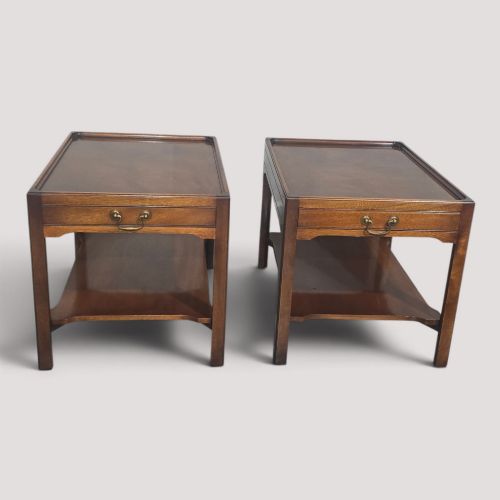
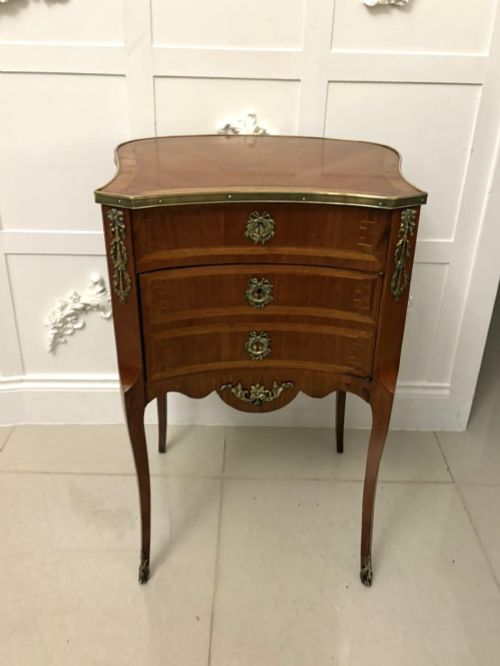

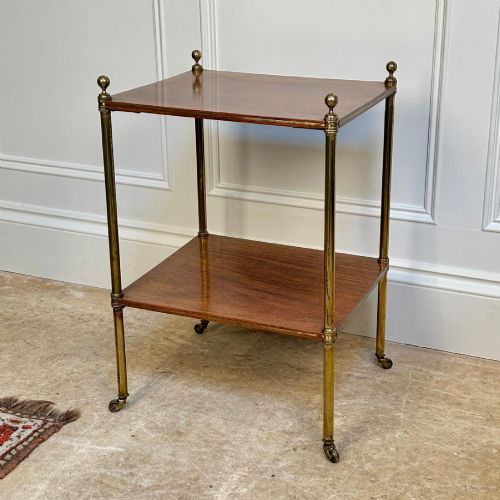
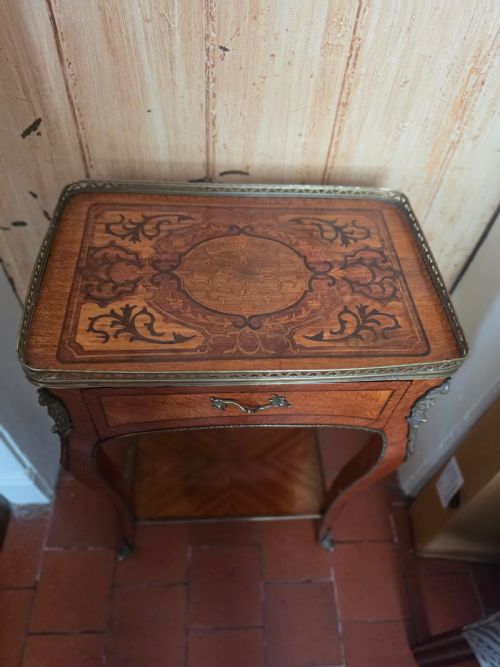
Brass Occasional Table
A brass occasional table brings a warm metallic gleam to a room, offering a versatile surface that moves easily wherever required.
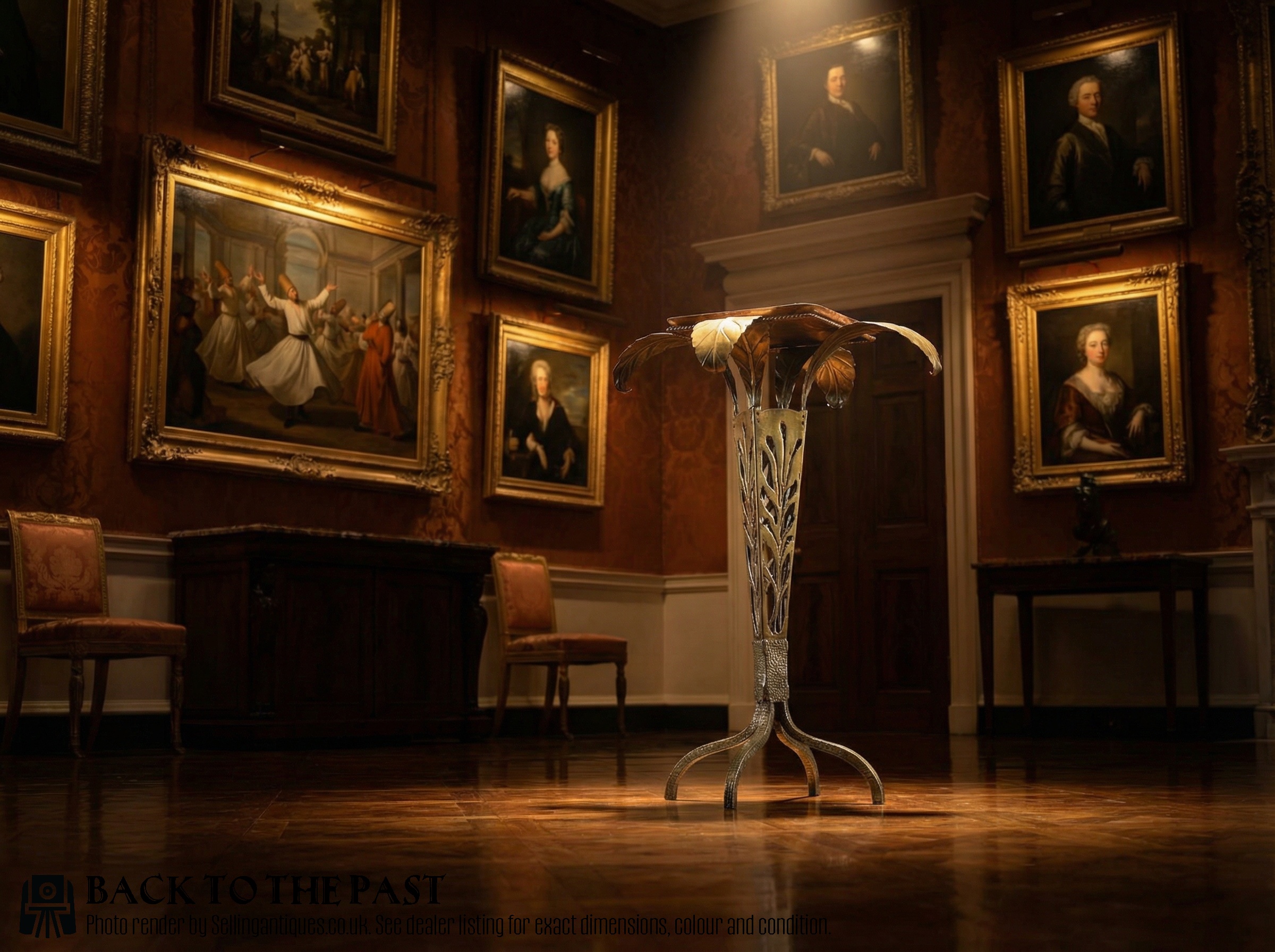
Brass occasional tables
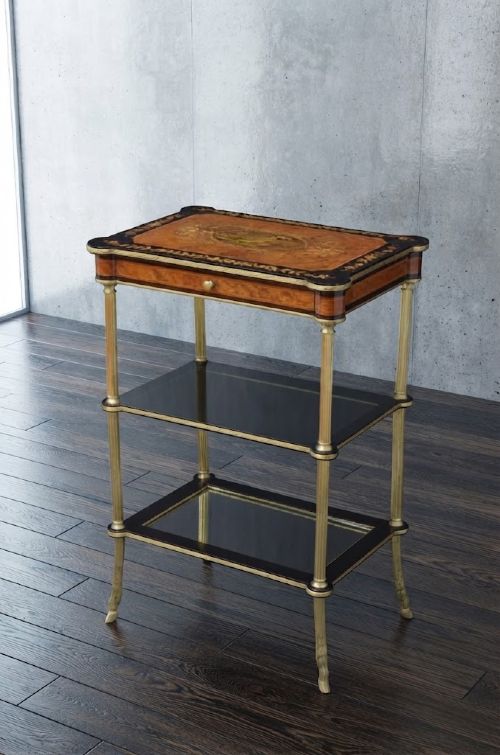
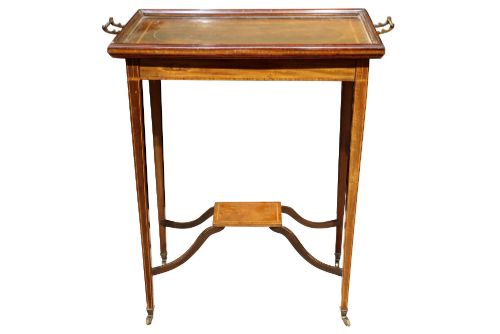
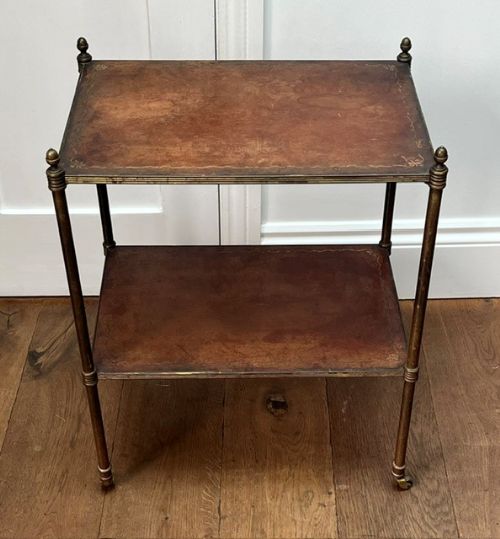
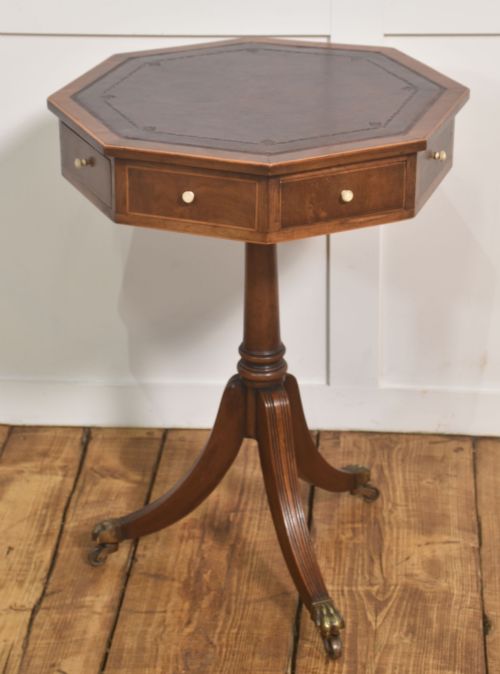
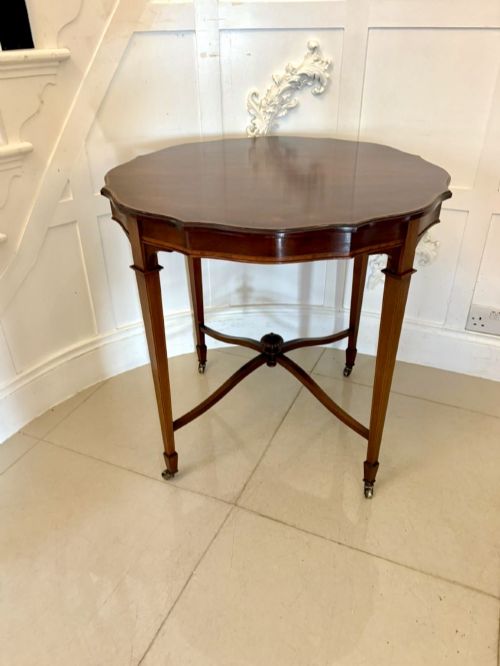
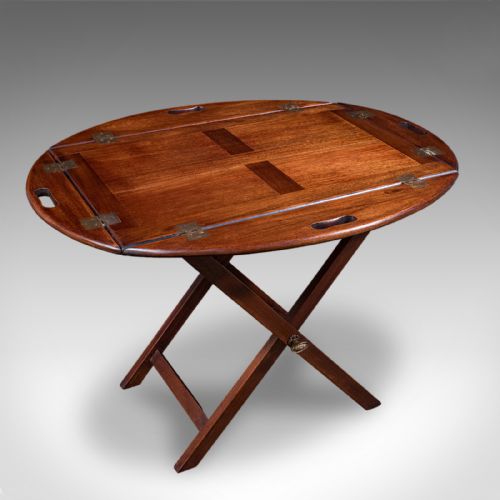
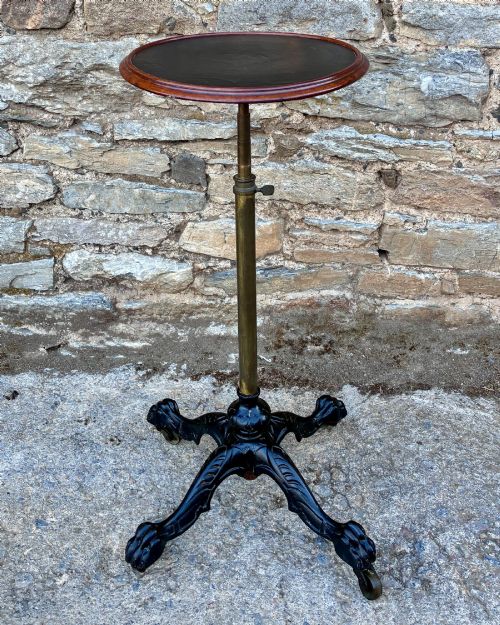
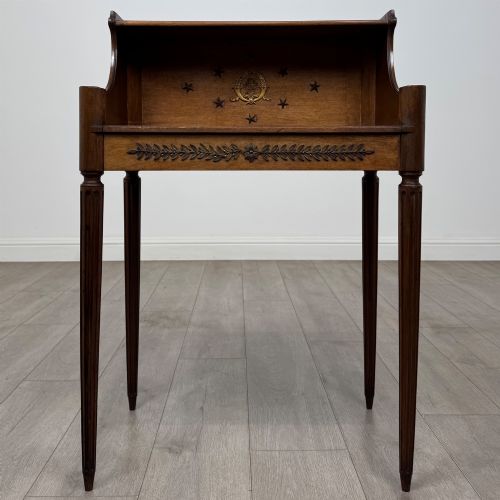
A brass occasional table appears in various forms across the inventory, ranging from compact side tables and two-tier etageres to magazine racks and hexagonal tables. These pieces serve multiple functions in a room, offering portable surfaces for lamps, books, or decorative objects.
The materials span widely beyond plain metal, with pieces combining brass with copper, leather, white metal, glass, and wood such as mahogany, rosewood, and satinwood. Styles stretch from Mamluk Revival and Art Nouveau to Art Deco, Hollywood Regency, and Mid-Century Neoclassical.
Buyers are most likely to encounter twentieth-century examples on this page, particularly pieces from the 1920s and 1930s. These later items often showcase distinct regional influences, including Cairoware designs and Benares work.
How they were made
Construction methods combine metalworking and woodwork, utilising brass frames, gilt-brass mounts, and cast or tubular brass structures. Tops frequently feature engraved copper, tooled leather, inset marble, or lacquered surfaces.
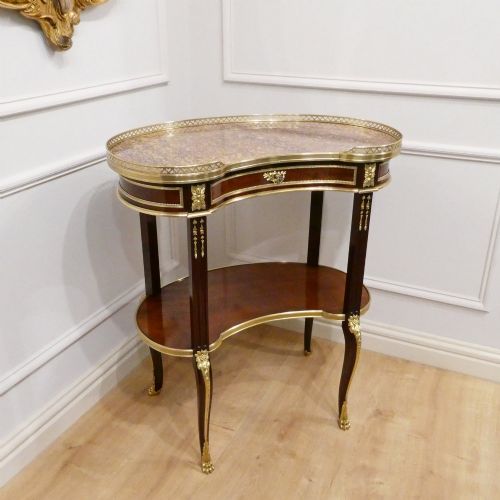
Inlaid pieces incorporate contrasting metals like copper and white metal into brass sheets, particularly in hexagonal and circular Cairoware or Benares productions. Other examples pair brass boundaries or galleries with dense hardwoods like mahogany and rosewood.
Retail Price Guide 2026
Typical UK retail prices for brass occasional table, calculated from the Sellingantiques database of over a million retail prices indexed since 2003. This retail price guide relies exclusively on Sellingantiques data; no external sources or auction records are used, so the figures do not describe the wider market.
The listings show pieces spanning the 1920s and 1930s, utilising brass, copper, leather, white metal, and glass in forms that include side tables and magazine racks.
What varies in quality
Quality rests on the crispness of the metal engraving, the depth of the chasing, and the precision of the inlays. Pieces featuring hand-worked openwork and mixed metal details require considerable skill from the artisan.
The selection of secondary materials also dictates the standard of the piece, distinguishing simple metal frames from tables utilising fine mahogany, satinwood, or tooled leather tiers.
Gillows
The Brass Occasional Table Glossary
- Cairoware
- Brass metalwork originating from Cairo, typically inlaid with silver, copper, and black paste. These pieces display intricate Islamic geometric and calligraphic motifs.
- Etagere
- A set of open shelves or a multi-tiered small table designed for displaying ornaments or holding books. They provide additional surface area without occupying excessive floor space.
- Mamluk Revival
- A nineteenth and twentieth-century design style inspired by the art of the Mamluk Sultanate. It frequently employs heavy geometric brass inlay and complex star patterns.
- Gallery
- A raised decorative border surrounding the edge of a table top. This feature often consists of pierced metal or turned spindle work to prevent items from sliding off.
- Benares work
- Indian brassware characterised by etched and blackened surface decoration depicting figures, animals, and foliage. The technique produces a strongly patterned, dark-ground visual effect.
Frequently Asked Questions
What is a brass occasional table used for?
These pieces function as portable surfaces placed beside seating or beds to hold lamps, drinks, or books. Their compact proportions allow them to move easily around a room as needed.
Certain variations, such as two-tier etageres or magazine racks, offer dedicated space for periodicals and smaller display items.
How do I date a brass table?
Dating relies on combining the underlying style, construction techniques, and materials. Pieces from the 1920s and 1930s often show Art Deco or modernist influences alongside traditional brass work.
Earlier nineteenth-century examples frequently pair brass inlay with dense timbers like rosewood or mahogany, reflecting Regency or Victorian cabinet-making standards.
What is Cairoware?
Cairoware describes brass metalwork decorated with intricate hand-engraved patterns inlaid with copper and white metal. This tradition gained popularity in Egypt during the late nineteenth and early twentieth centuries.
Tables in this style often feature hexagonal tops and folding wooden bases designed for easy transport.
How do I clean brass and copper?
Maintenance requires gentle dusting with a soft cloth to preserve the natural patina accumulated over decades. Aggressive polishing can strip away historic surface character and delicate engraving.
For pieces with leather, marble, or lacquered tops, care must be taken to keep moisture away from vulnerable joints and inset materials.