


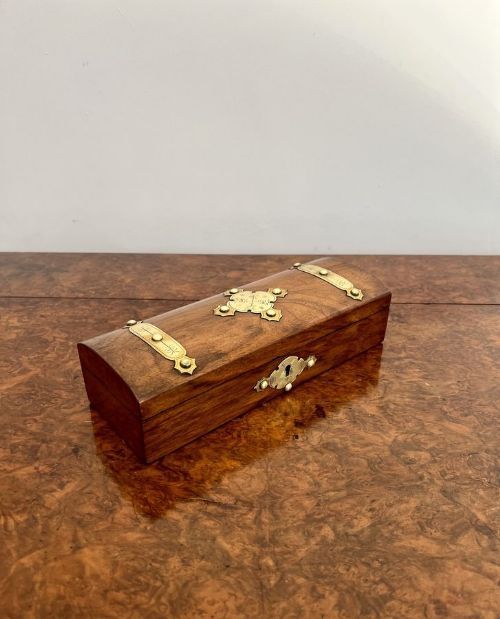

Brass Mounted Walnut Box
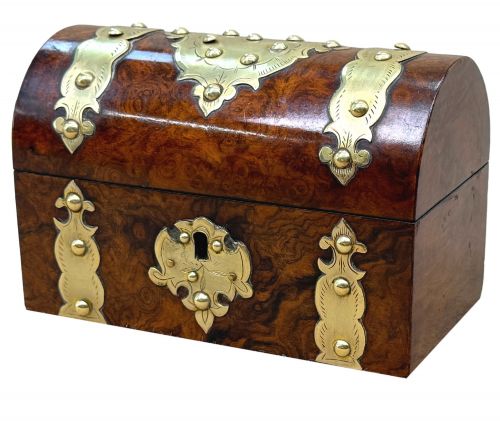
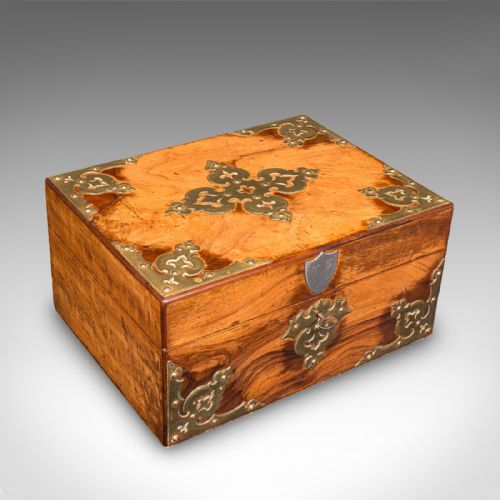
A brass mounted walnut box combines deep-grained timber with metallic banding to store letters, jewels and keepsakes.
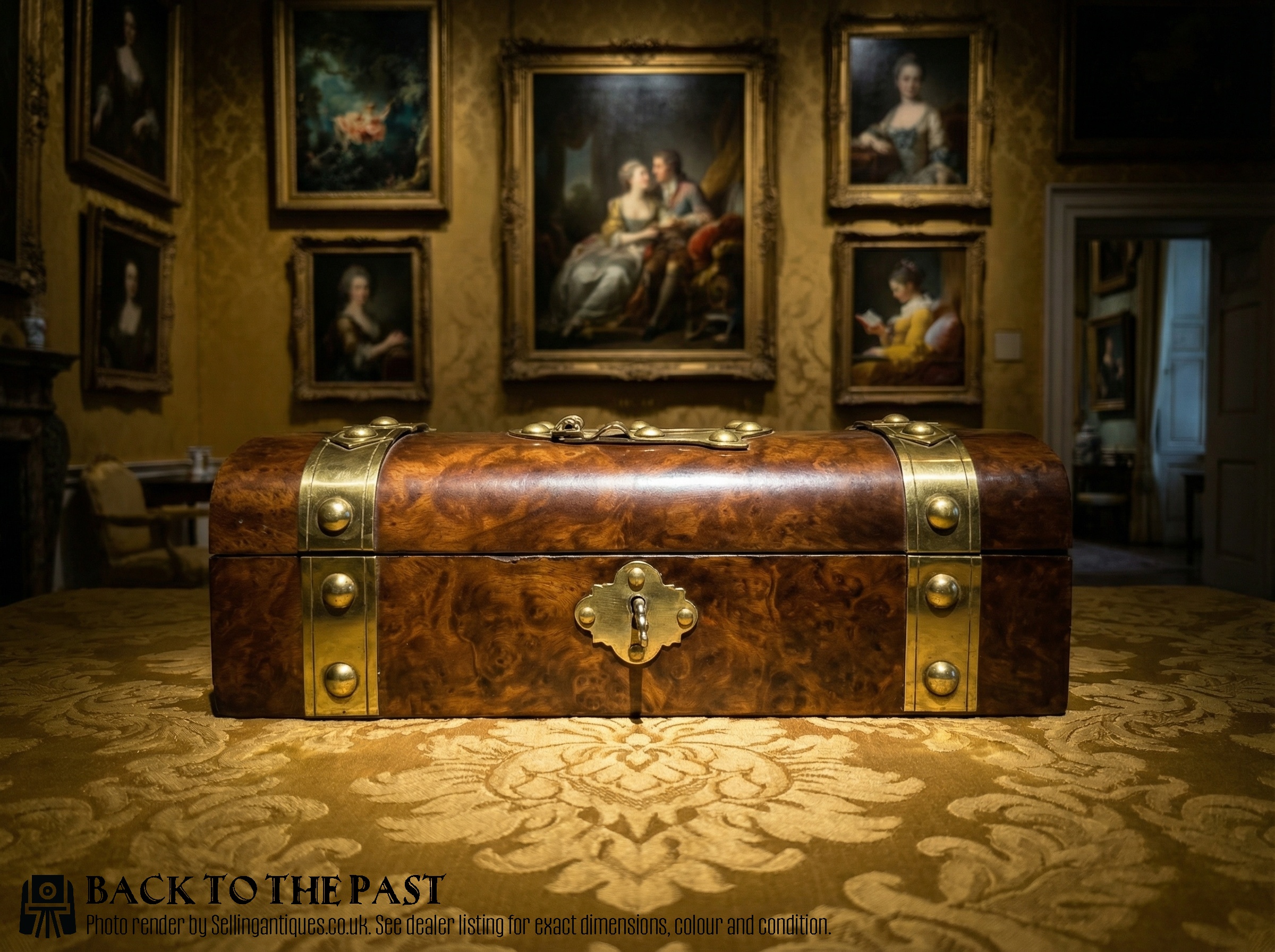
Brass Mounted Walnut Box
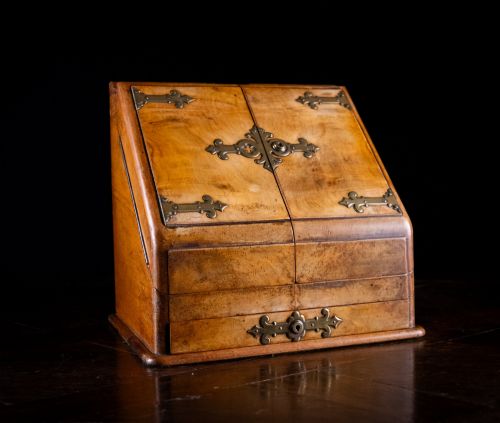
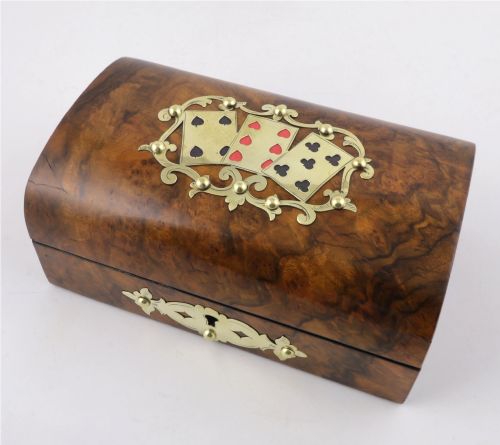
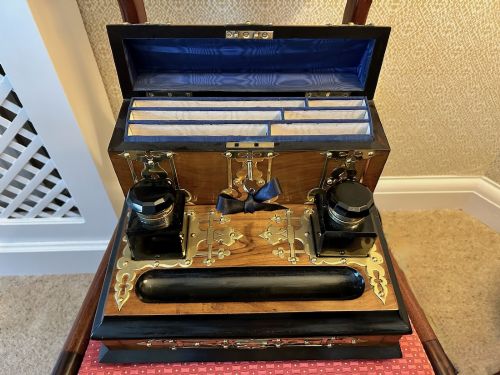
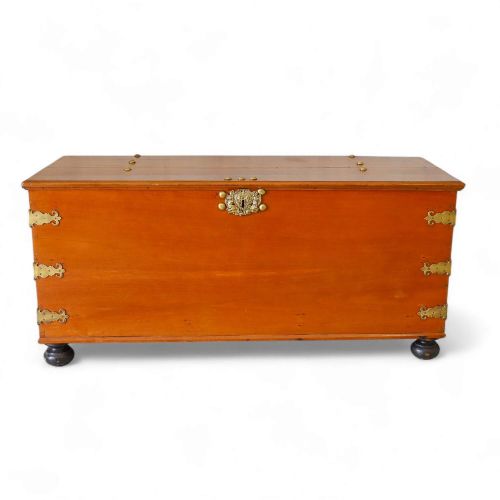
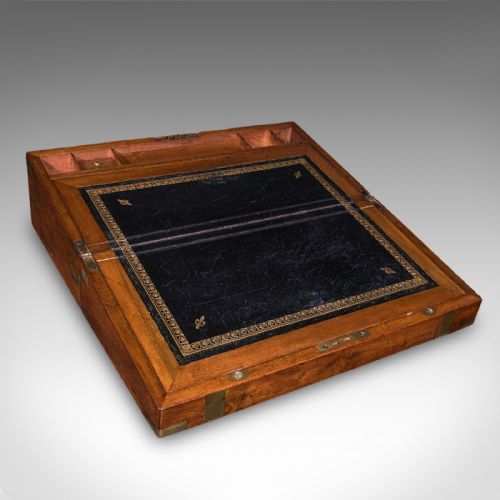
A brass mounted walnut box primarily serves domestic storage needs, ranging from stationery cabinets and writing slopes to jewellery chests, tea caddies and cigar humidors. These items emerge chiefly from the Victorian period, alongside earlier Georgian and 18th-century examples featuring colonial chests and table boxes.
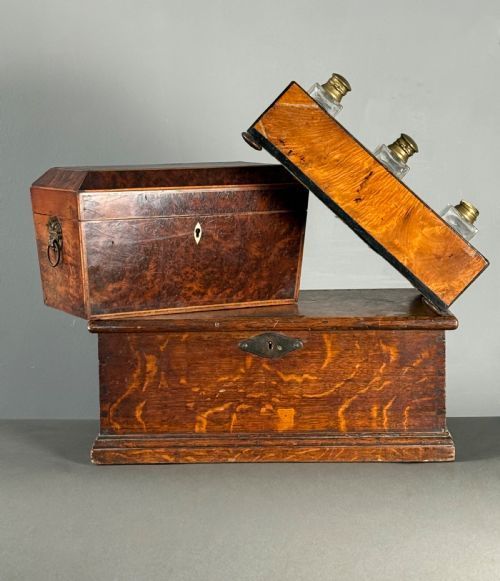
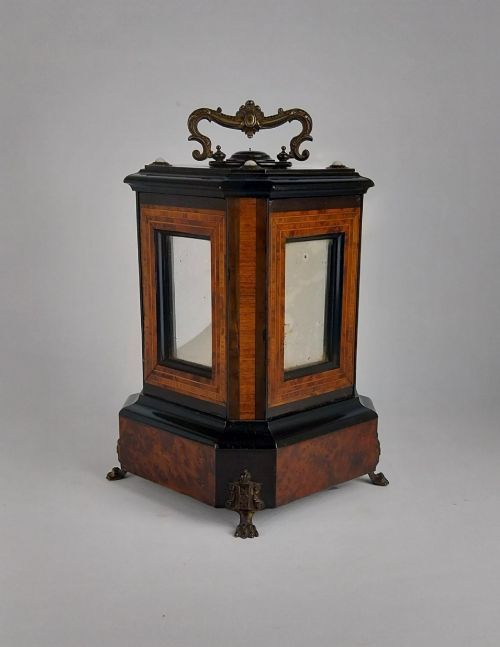
The assortment on this page spans utilitarian objects like coal scuttles and string dispensers to luxury travel vanities and games boxes. Burr walnut surfaces frequently dominate the selection, accented by fitted interiors lined in silk, velvet or leather.
How they were made
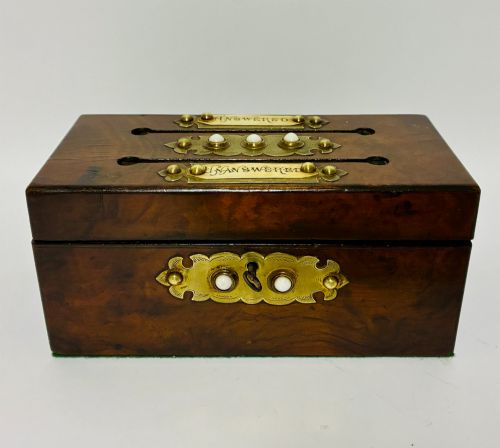
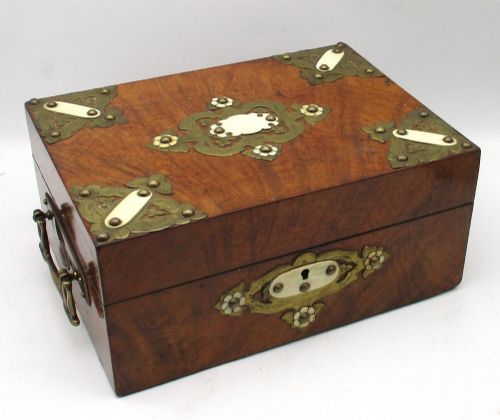
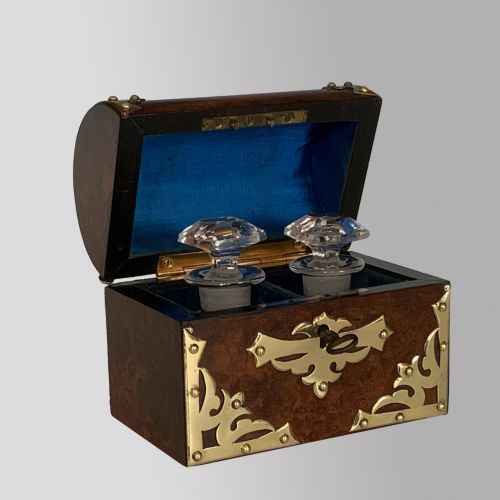
Craftsmen built these vessels using solid walnut or applied burr walnut veneers over secondary timbers, shaping plain or domed lids to house personal effects. Brass appeared as corner straps, escutcheons, hinges and inlaid banding to reinforce joints and frame the rich timber grain.
Interiors often incorporated secondary materials such as bone, glass, mother-of-pearl or fitted compartments with velvet and silk linings to protect stationery, sewing implements or jewellery.
Brass Mounted Walnut Box Retail Price Guide 2026
Typical asking prices for brass mounted walnut box among the pieces listed under this phrase on Sellingantiques today, from the lower quarter to the upper quarter. They describe what is for sale here now, not the wider market.
One remarkably specialised container on record served purely to dispense string with a turned walnut body.
What varies in quality
Quality rests upon the selection of timber veneers and the precision of the metal mounts. Plain walnut surfaces contrast with richly figured burr walnut, while cast or engraved brass mounts indicate finer workshop production than stamped sheet metal.
Internal complexity and completeness separate standard utility items from luxury pieces. Fitted velvet trays, secret drawers and working locks with original keys elevate the standing of a box.
Mappin & Webb
The Brass Mounted Walnut Box Glossary
- Burr walnut
- A highly figured wood veneer taken from the wart-like growths on walnut trees, prized for its swirling grain patterns. It forms the primary visual surface on many Victorian boxes.
- Escutcheon
- A protective brass plate surrounding a keyhole. It prevents the surrounding wood from splitting when using the key.
- Writing slope
- A portable desk with a hinged, slanted writing surface. Opening the lid reveals compartments for inkwells, pens and stationery.
- Ormolu
- Gilt bronze applied as decorative mounts and feet on luxury containers. The technique creates a bright golden finish against dark timber.
- Caddy
- A small box or chest originally designed for storing loose tea leaves. Many 18th-century and Victorian examples include internal foil-lined compartments.
Brass Mounted Walnut Box: Frequently Asked Questions
What did people store in these boxes?
These containers held valuable personal possessions, ranging from writing paper and envelopes to jewellery, playing cards and cigars. Different interior fittings suited specific domestic tasks, such as velvet slots for rings or dividers for correspondence.
Larger versions accommodated writing slopes and travelling vanity sets for journeys, while smaller caskets protected tea or tobacco.
How do I identify a Victorian box?
Victorian examples frequently utilise burr walnut veneers paired with heavy brass strapping and escutcheons. Gothic revival and aesthetic tastes influenced many designs from the middle to late nineteenth century.
Interior linings of silk, velvet and leather, combined with brass banding and campaign-style flush handles, point directly to this era.
Are original keys normally included?
Many surviving boxes retain their original working keys, though some rely on decorative brass locks that function without them. Locks were often stamped by period makers to denote security.
Finding a matching key adds practical utility for securing stationery or valuables inside the compartment.
How should I clean the wood and brass?
Maintain the timber surfaces with mild beeswax and a soft cloth to preserve the natural lustre of the walnut grain. Avoid harsh chemical cleaners that strip the finish.
Polish brass mounts gently with a dry cloth to prevent tarnishing while protecting the surrounding wood from abrasive polishes.