

Brass Lantern Light
A brass lantern light brings warmth and architectural character to an entrance hall, corridor, or high-ceilinged room.
Brass Lantern Light
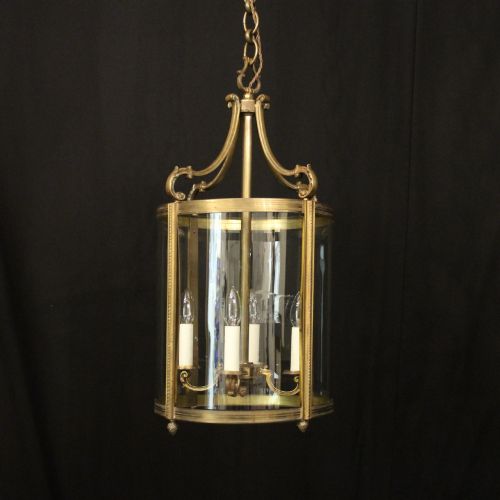
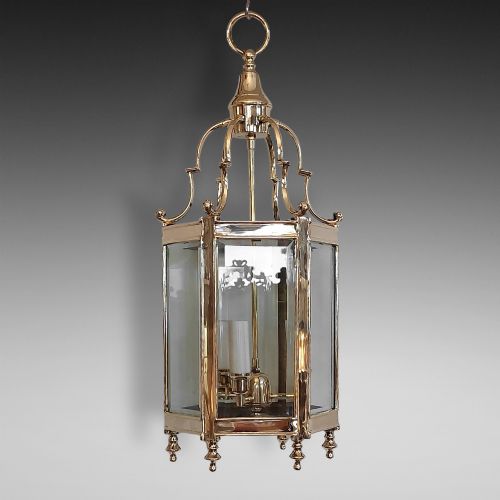
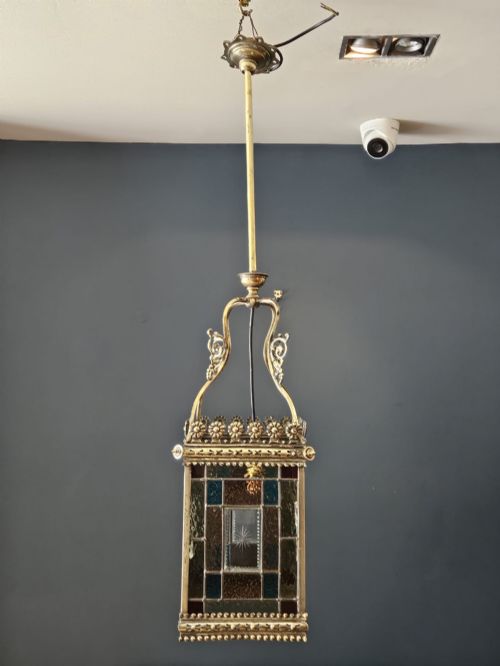
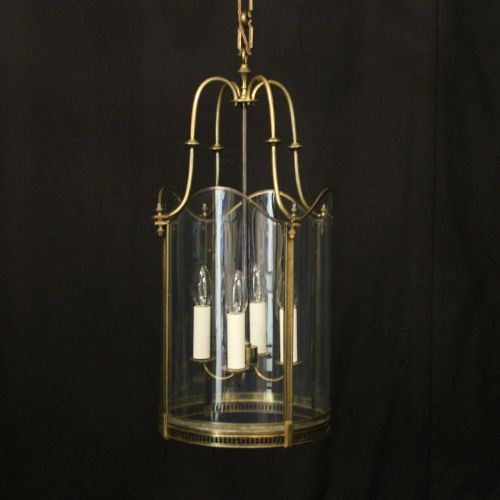
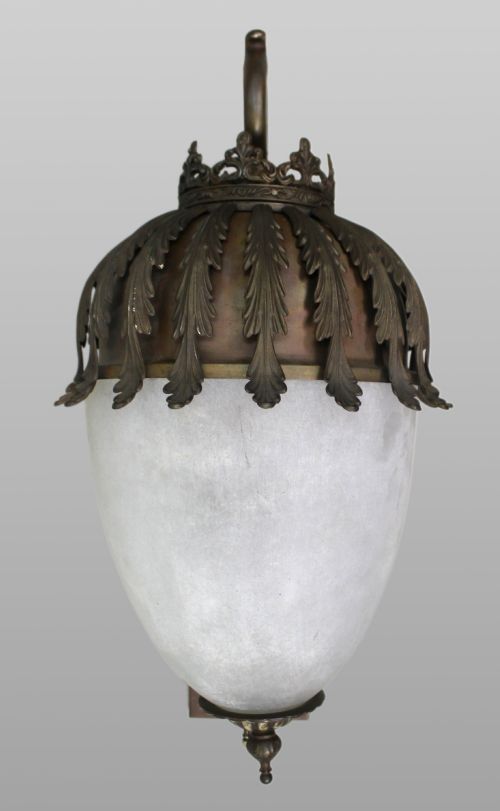
When searching for a brass lantern light, you will encounter a variety of ceiling-hung fixtures and wall-mounted sconces designed primarily for hallways and transitional spaces. The selection spans the nineteenth century through to the art deco and interwar periods, with a particularly strong representation of French designs.
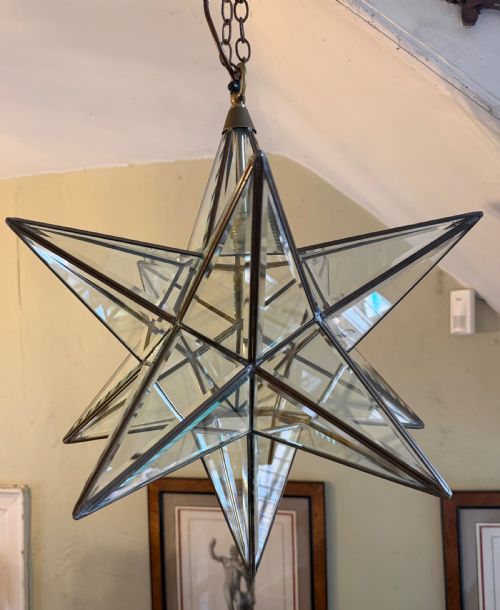
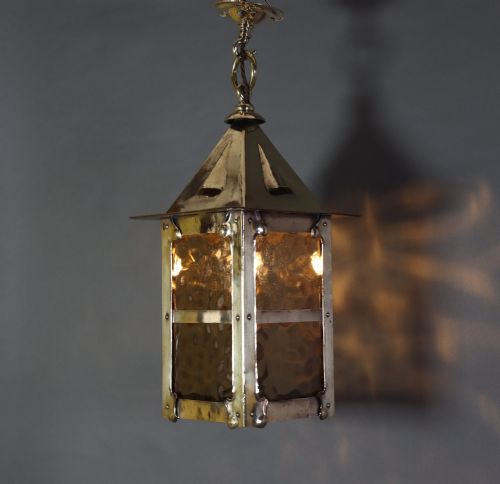
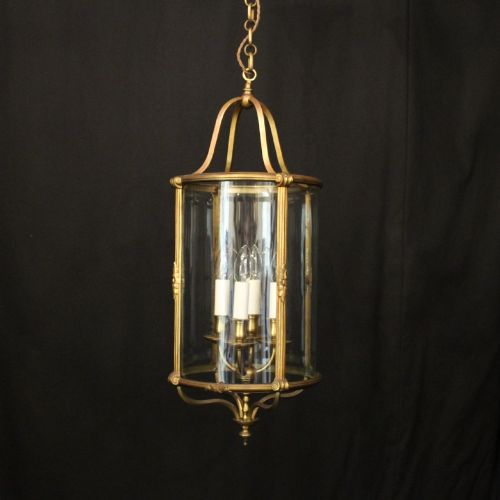
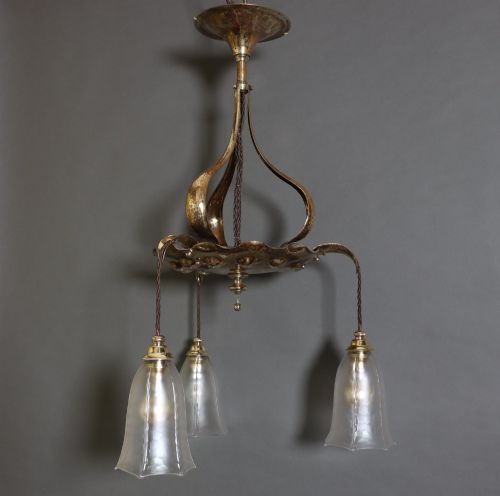
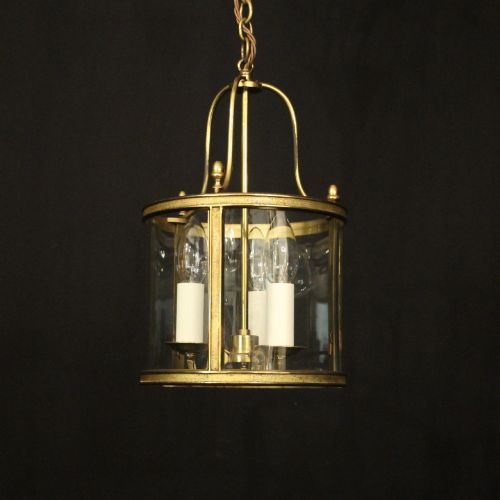
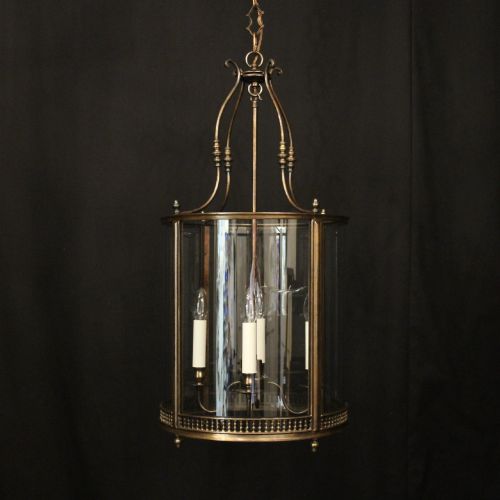
The most common forms on this page include hexagonal frames, convex glass shapes, and multi-light configurations designed to illuminate large spaces. English and French workshops produced the majority of these pieces, utilising brass, gilt bronze, and copper alongside clear or etched glass panels.
Whether housed in a grand Victorian property or a smaller Edwardian terrace, these lanterns serve as both functional illumination and decorative focal points. Many pieces retain their original mounting hardware and period wiring characteristics, reflecting the distinct craftsmanship of their respective eras.
Materials and Construction
The construction of these pieces relies heavily on structural brass framing, often cast or spun, combined with hand-cut glass panels secured by lead or metal glazing bars. Gilt brass and gilded bronze treatments were frequently applied to French hall lanterns to enhance their decorative impact in formal interiors.
Glazing techniques vary from flat bevelled panes to convex and bullseye glass that diffuses the internal light source softly. Copper and toleware components occasionally appear in railway or utilitarian contexts, offering alternative patinations alongside polished and aged brass finishes.
Some railway lanterns still carry the faint smell of oil from decades of active service on the line.
Evaluating Quality
Quality in these fixtures is defined by the weight of the cast metal frame, the precision of the joinery, and the clarity or decorative depth of the glass panels. Heavier gauge brass and intricate pierced or chased detailing distinguish bespoke architectural pieces from standard production items.
The proportion of the glass to the metal framework also dictates visual success, with superior examples utilising bevelled, etched, or hand-blown bullseye glass. Original gilding and integrated multi-light internal clusters further elevate the distinction of the piece.
The Brass Lantern Light Glossary
- Convex glass
- Curved glass panels that project outward to diffuse light more broadly across a space. This technique was frequently utilised in French hall lanterns during the early twentieth century.
- Gilt bronze
- Bronze that has been treated with a thin layer of gold or gold-coloured alloy to give a rich, reflective surface. It appears often in neoclassical and chateau-style lighting.
- Lead glass
- Glass secured within lead cames, commonly seen in Victorian and Arts and Crafts lanterns. The method allows for geometric or patterned window designs.
- Hall lantern
- A ceiling-hung light fixture specifically proportioned for narrow spaces and entranceways. They provide focused vertical illumination while serving as a decorative centrepiece.
- Toleware
- Painted or enamelled sheet metal used for decorative light fixtures and shades. It brings an opaque, colourful contrast to polished brass framing.
Brass Lantern Light: Frequently Asked Questions
Where should I hang a brass lantern light?
These fixtures are traditionally suited to entrance halls, high-ceilinged corridors, and stairwells where their downward illumination and architectural framing can be fully appreciated. Their enclosed design also makes them practical for transitional spaces that require steady overhead lighting.
When positioning a hall lantern, ensure there is adequate clearance beneath the lowest point for pedestrian traffic. Wall-mounted versions function well flanking doorways or illuminating narrow passages.
How do I date a brass lantern?
Dating relies on stylistic clues, manufacturing techniques, and material combinations seen across different periods. Victorian examples often feature heavier leaded glass and Gothic or classical Revival motifs, while Edwardian and 1920s pieces frequently embrace smoother brass frames and French neoclassical styling.
Examining the fixings, screws, and internal lamp holders can also provide clues to the age of the piece. Patent stamps or maker marks, when present, help narrow down the exact decade of manufacture.
Are these lanterns wired for modern use?
Many vintage and antique light fixtures have been previously rewired or adapted to meet contemporary electrical standards. It is common to find pieces updated with standard lamp holders suitable for modern bulbs.
Buyers should consult a qualified electrician to inspect the internal wiring and ensure safe installation according to current domestic regulations. This also allows for the integration of dimmable LED options where desired.
What is the difference between a ceiling lantern and a half lantern?
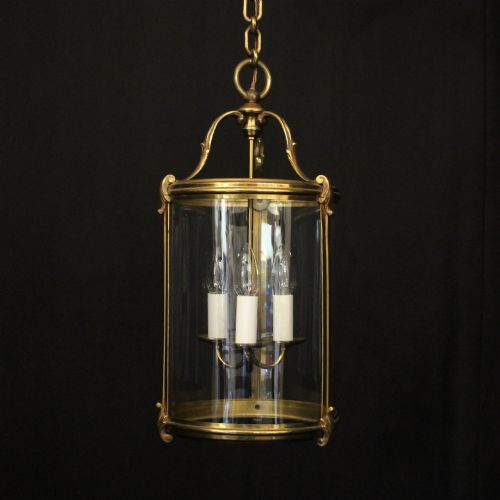
Ceiling lanterns are suspended by chains or rods and project light outward in all directions from a central point. They are designed to hang freely in open spaces and central hallways.
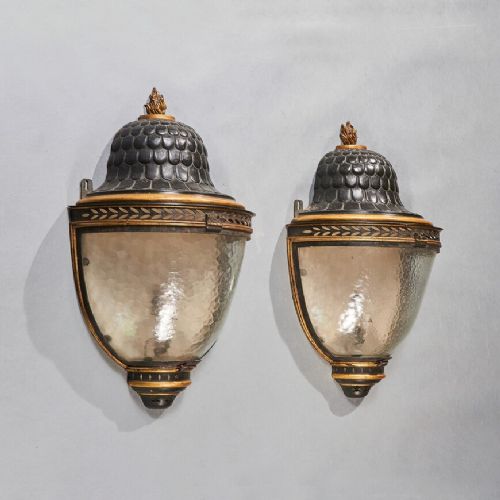
Half lanterns, by contrast, feature a flat back that mounts directly against a wall surface. They function similarly to wall sconces while retaining the distinctive enclosed profile of a traditional lantern.