


Candle Hall Pendant
These candle hall pendant pieces offer a practical and decorative way to light an entrance, drawing on styles from the Victorian period through the nineteen thirties.
Candle Hall Pendant
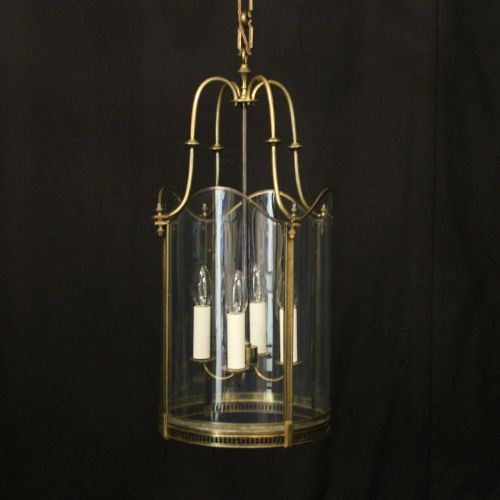
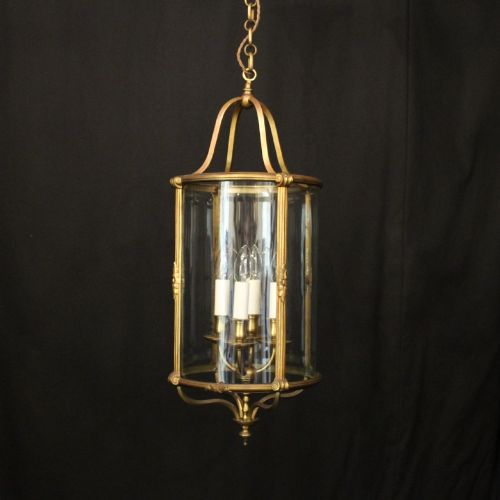
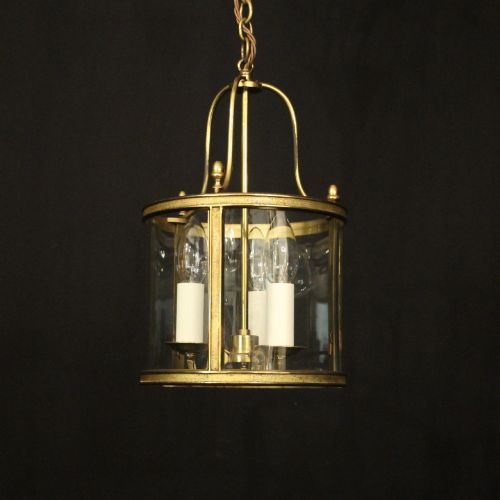
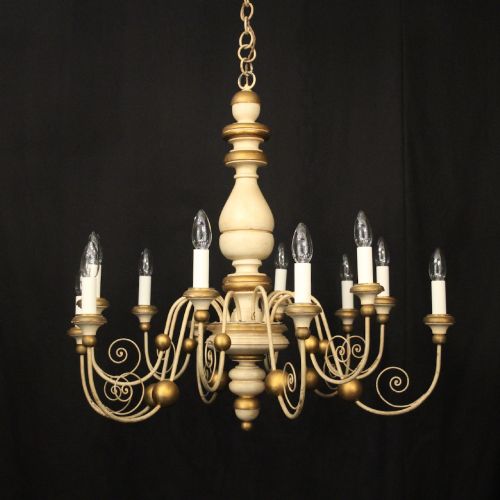
When you search for candle hall pendant, you encounter lighting designed for hallways and entryways, spanning periods from the late nineteenth century to nineteen thirty. The selection on this page consists predominantly of brass, bronze, and iron hanging lanterns alongside select chandeliers.
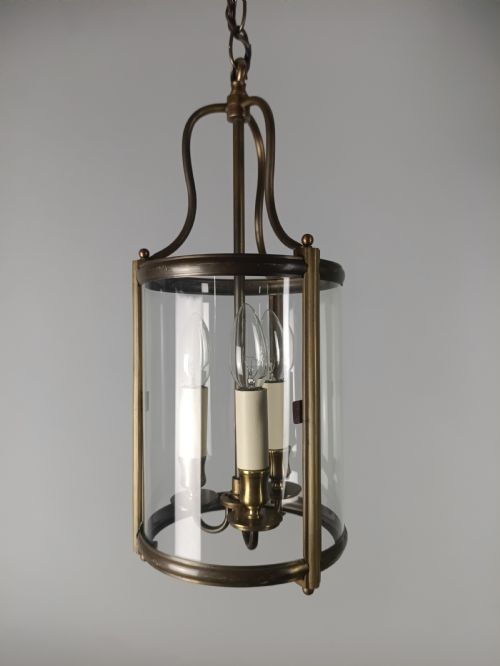
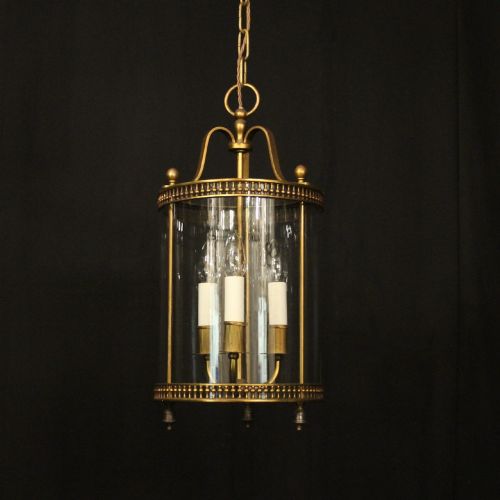
Most examples originate from French workshops, utilising styles that range from French Empire and Neoclassical to Victorian Gothic and Arts and Crafts. These fixtures often incorporate glass panels, including convex and bevelled forms, housing multiple light points within a suspended frame.
How they were made
The construction relies heavily on metalworking, combining cast brass, gilt bronze, and wrought iron to form rigid structural frames. Glass panels are fitted into these metal mounts, often shaped with convex curves or bevelled edges to refract light.
Surface decoration involves gilding, polychrome wood, and polished brass finishes applied to enhance the visual weight of the hanging lantern. Frames are engineered to support multiple internal lights while maintaining balance from a central suspension point.
Several lanterns retain structural evidence of an era before electricity, when real candles flickered behind their convex glass panes.
What varies in quality
Quality separates fixtures by the precision of the metal casting and the thickness of the brass or bronze used in the frame. Heavier gauges of metal and finely chased detailing in gilt elements distinguish superior examples from standard production pieces.
The integration and clarity of the glass panels also influence the standard of the piece, with bevelled or heavy convex panes showing greater craftsmanship. Finish preservation, such as the intact state of original gilding or polished surfaces, marks the better surviving specimens.
The Candle Hall Pendant Glossary
- Convex glass
- Curved glass panels that project outward to diffuse light across a wider angle. This technique appears frequently on nineteenth and twentieth century hall lanterns.
- Gilt bronze
- Bronze metal treated with a thin layer of gold or gold paint to produce a rich metallic lustre. It provides durability alongside a decorative finish.
- Bevelled glass
- Glass panes featuring angled edges cut along the perimeter. This treatment catches and refracts illumination from the internal lamps.
- Wrought iron
- Iron beaten and shaped by hand into structural and decorative components. It characterises Arts and Crafts and Gothic revival lighting designs.
Candle Hall Pendant: Frequently Asked Questions
How do I hang a hall lantern?
These pendant lights require secure ceiling fixings capable of supporting the combined weight of the metal frame and glass panels.
Professional electrical installation ensures the suspension chain and internal wiring meet safety standards for domestic hallways.
What rooms suit these pendants?
Hall lanterns and hanging pendants fit naturally into entranceways, corridors, and high-ceilinged stairwells where vertical space allows.
Their downward illumination and enclosed frames provide functional lighting while establishing a distinct period character in domestic interiors.
How do I date a brass lantern?
Dating relies on observing manufacturing techniques, material choices, and stylistic markers such as French Empire or Arts and Crafts motifs.
Examining the type of metal fastenings and glass cutting provides further evidence regarding whether a piece originates from the Victorian era or the nineteen thirties.
Can these lights take modern bulbs?
Most hanging lanterns accommodate standard electrical fittings once rewired by a qualified specialist to modern safety codes.
Careful selection of bulb wattage and colour temperature maintains the intended ambiance through bevelled and convex glass panels.