

Brass Hall Pendant
A brass hall pendant brings immediate warmth to an entranceway, suspended gracefully to cast a welcoming light from above.
Brass Hall Pendant
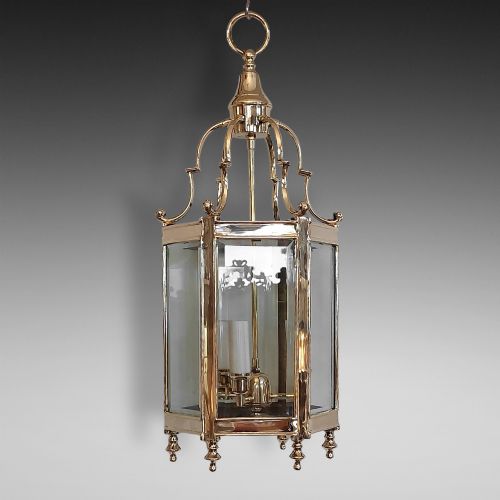
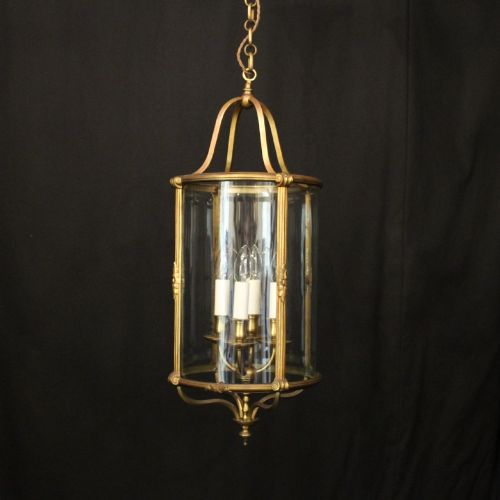
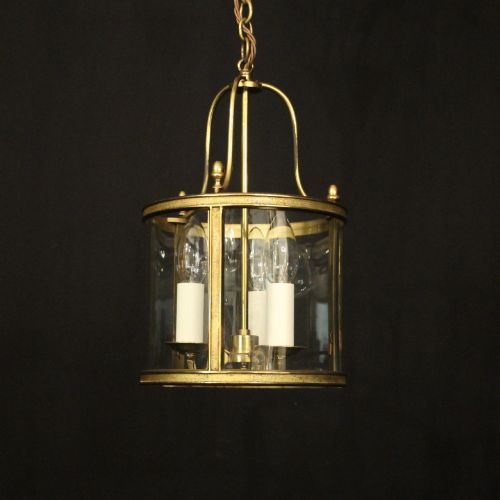
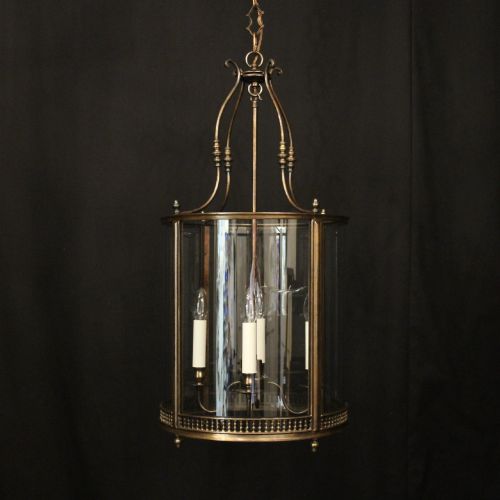
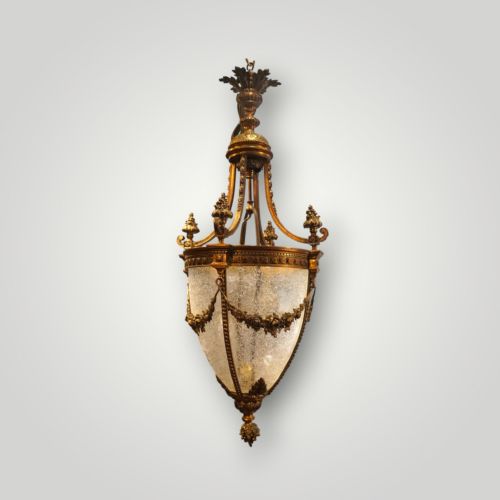
A brass hall pendant encompasses hanging lanterns, ceiling lights, and chandeliers designed specifically to illuminate corridors and entranceways. Buyers searching for this phrase encounter various historical forms, from simple hexagonal frames to elaborate multi-light fixtures.
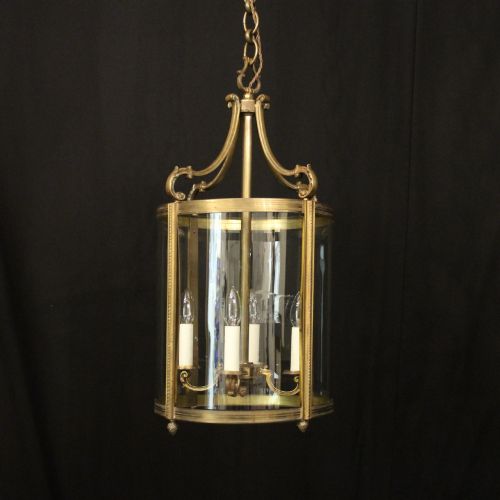
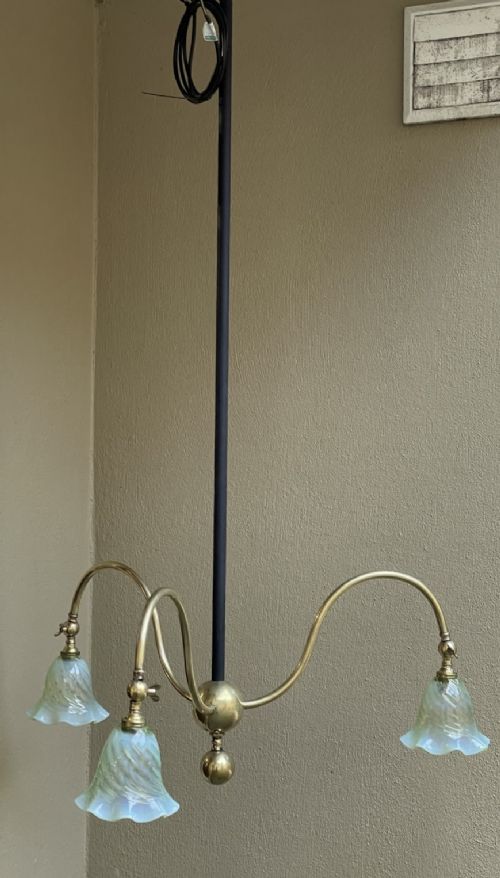
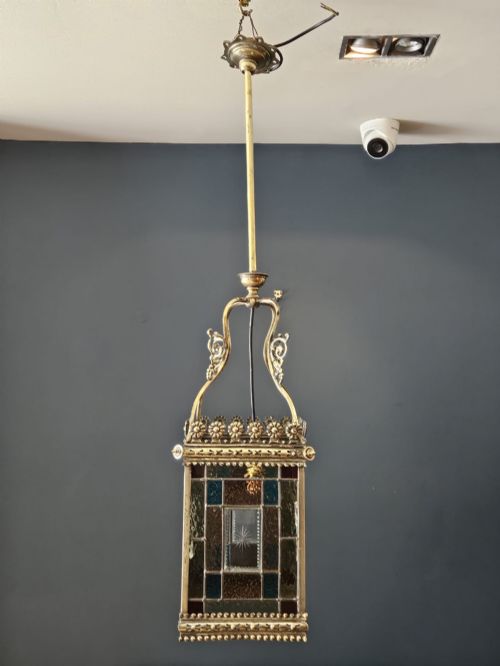
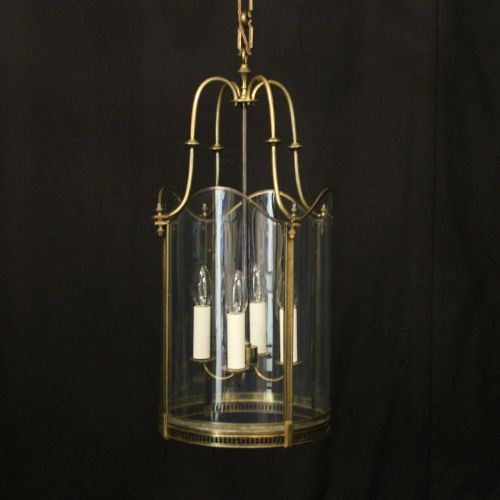
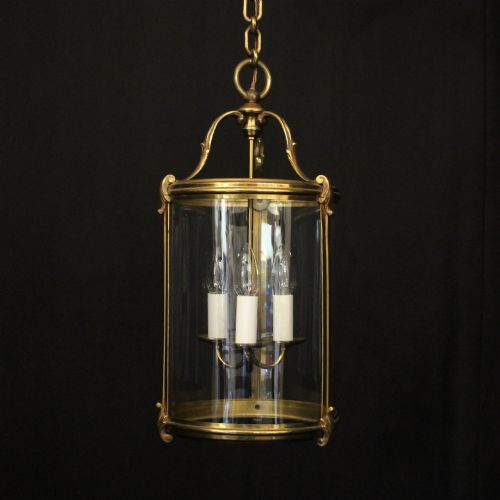
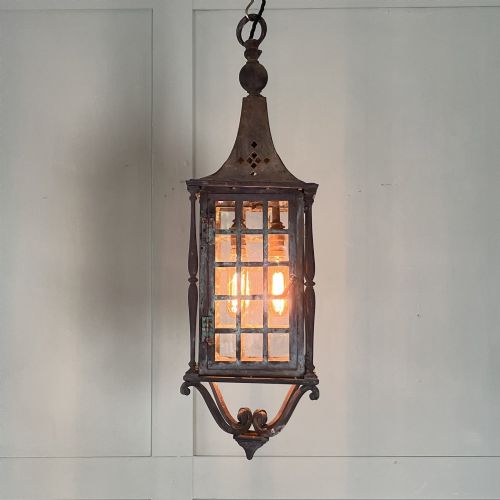
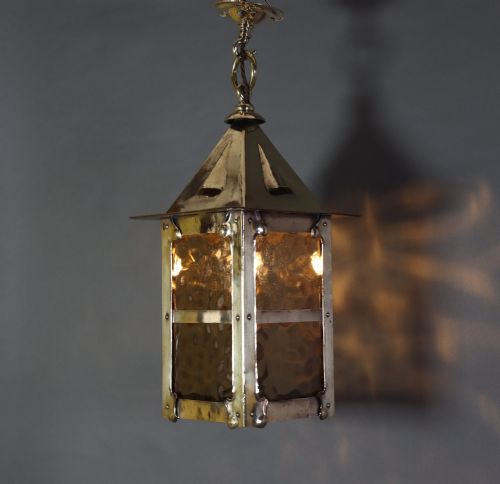
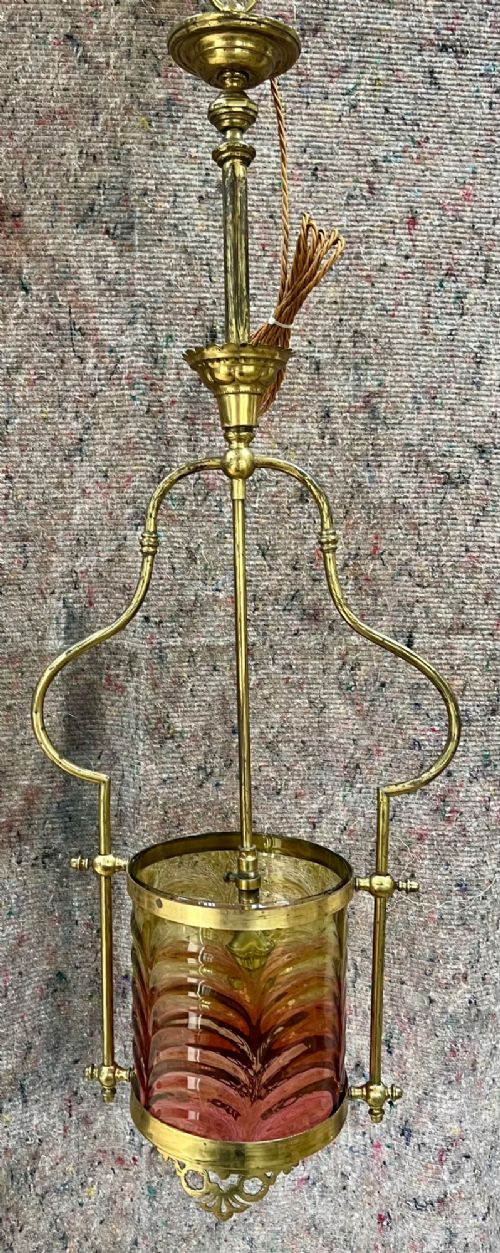
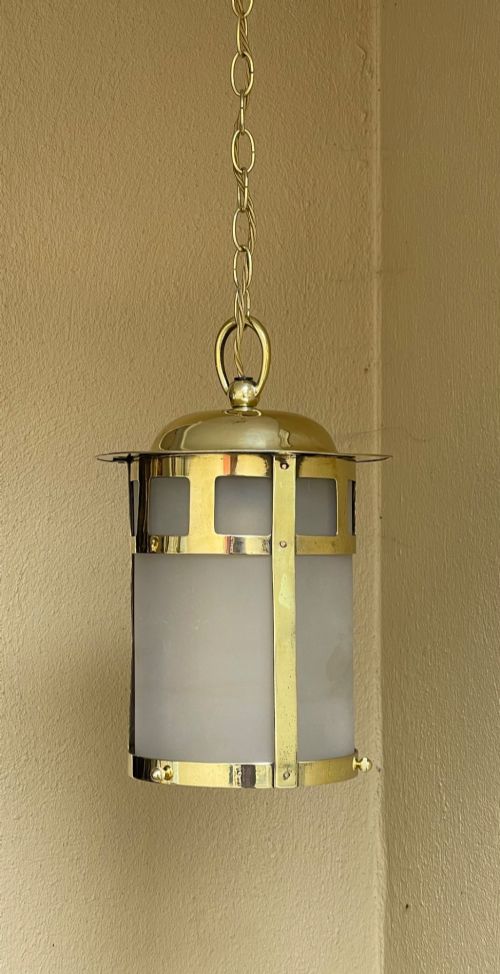
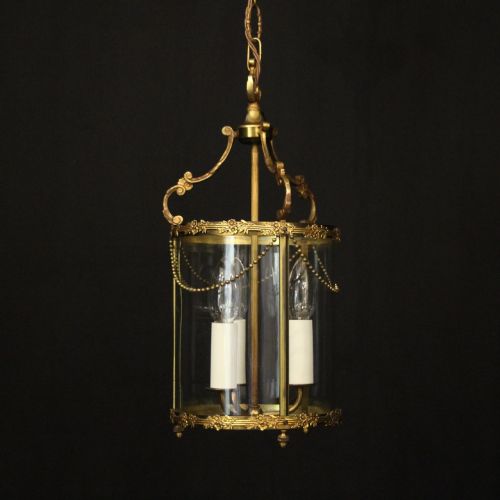
The selection on this page leans heavily towards early twentieth-century examples, particularly French gilded bronzes and English Arts and Crafts designs. Victorian leaded glass lanterns and Edwardian brass framed pieces also appear frequently among the listings.
Makers often drew upon established architectural movements, resulting in styles that range from Gothic Revival to French Neoclassical. These pieces serve both a functional purpose in illuminating dark spaces and an aesthetic one in defining the character of a hallway.
Materials and Construction
Manufacturers built these pendants using structural brass, bronze, and gilt metal frames to support panels of clear, etched, or leaded glass. Hand-blown bullseye glass and moonstone panes frequently appear, diffusing the internal light with distinctive textural qualities.
Metal components involved casting, hammering, and gilding, with frames joined securely to withstand hanging from high ceilings. Glazing techniques ranged from simple leaded came work to curved convex panels fitted tightly into metal doors and hinges.
Listings feature periods from the nineteenth century through the 1930s, utilising brass, bronze, lead, and glass.
Quality Variations
Superior examples distinguish themselves through heavier metal gauges, crisp casting details on the bronze or brass frames, and the use of original hand-blown or etched glass. Lesser pieces often feature thinner stamped metal and replacement glass panels that lack historical integrity.
The refinement of the decorative motifs, such as Arts and Crafts hand-beaten surfaces or intricate French gilding, marks the difference between standard production items and exceptional commission pieces.
The Brass Hall Pendant Glossary
- Convex glass
- Curved glass panes that project outward, frequently utilised in French lanterns to capture and distribute light across a wider angle.
- Leaded glass
- Small pieces of glass joined together with lead cames, forming intricate geometric or floral patterns within the lantern frame.
- Gilt bronze
- Bronze metal treated with a thin layer of gold or gold-coloured alloy, providing a rich, durable surface finish popular in French lighting.
- Moonstone glass
- An opaque, milky white glass that softens bulb glare and produces a diffused ambient glow.
- Bulls-eye glass
- Thick glass panes featuring a central circular distortion left over from traditional glassblowing techniques.
Brass Hall Pendant: Frequently Asked Questions
How do I hang a hall pendant?
These fixtures suspend from ceilings using matched chain, rod, or cord fixed to a sturdy electrical junction box.
Ensure the weight of heavier bronze or leaded glass lanterns is supported directly by structural ceiling joists rather than plaster alone.
Are these lights wired for modern use?
Most antique pendants undergo rewiring to meet contemporary electrical standards while preserving their original lampholders and interior wiring paths.
Consult a qualified electrician to check the internal earth connections and bulb compatibility upon delivery.
How do I clean antique brass?
Dust the metal and glass regularly with a dry, soft cloth to prevent grime accumulation on the intricate frames.
Avoid harsh chemical polishes that strip historical patina, opting instead for gentle, non-abrasive cleaning methods.
What period do most pendants belong to?
The available selection spans from the mid nineteenth century through the Edwardian era and into the nineteen-twenties and thirties.
Early twentieth-century French and English designs dominate the inventory, accompanied by Victorian and Arts and Crafts examples.