


Vestibule Pendant Light
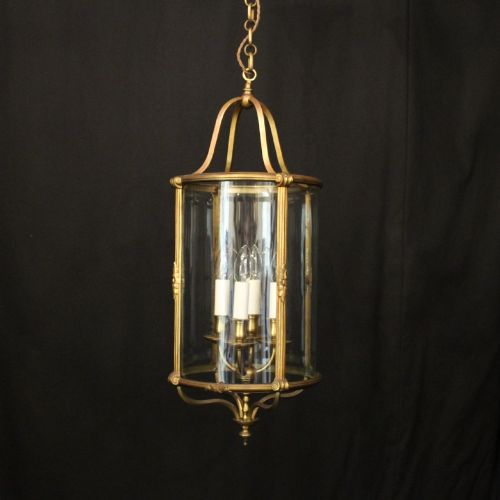
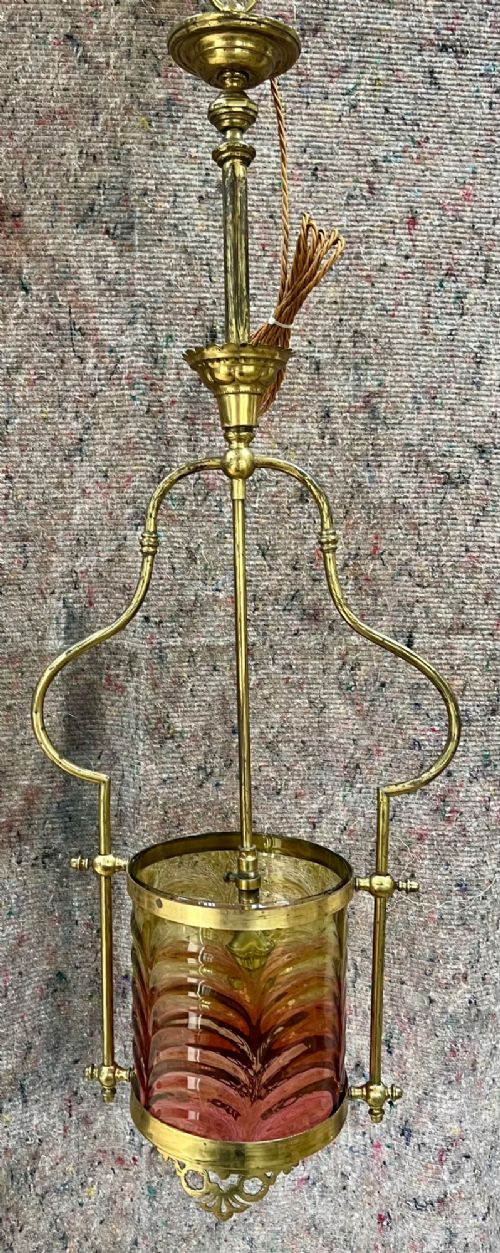
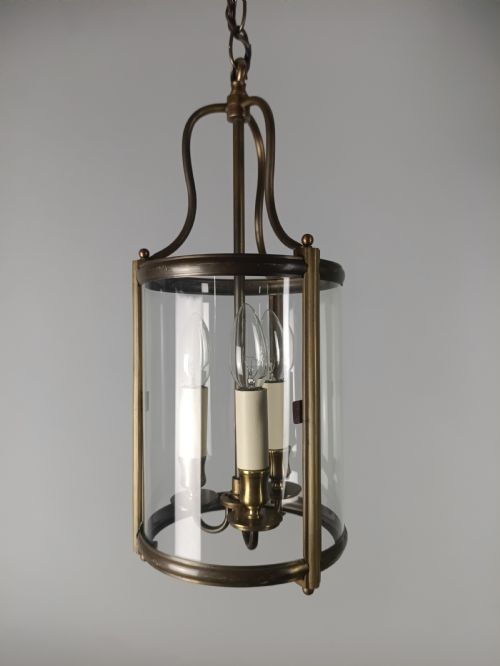
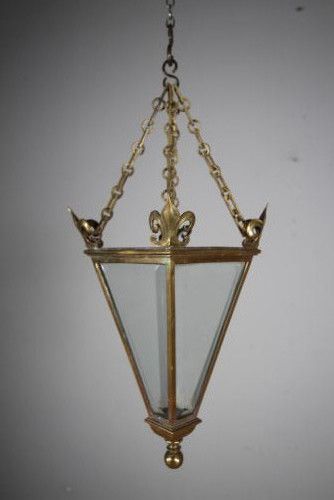
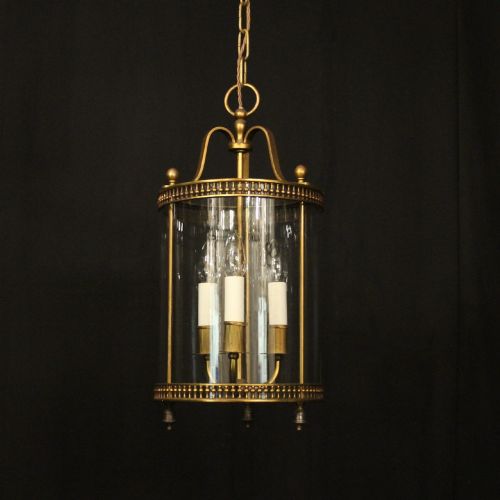
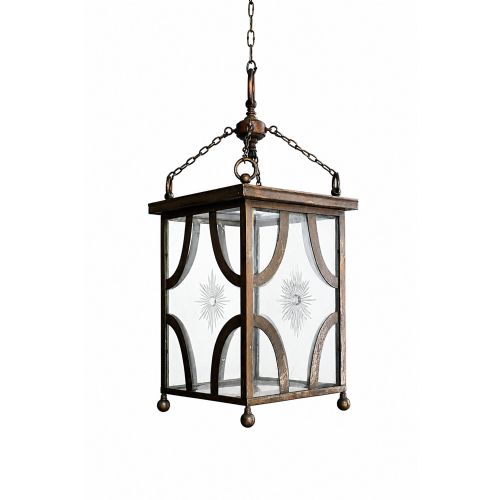
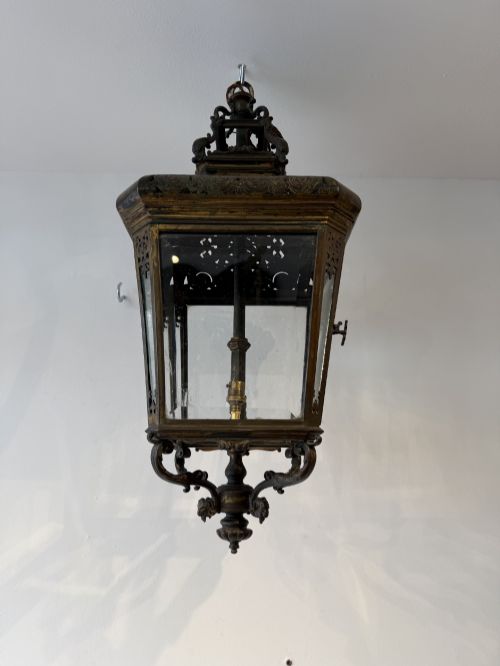
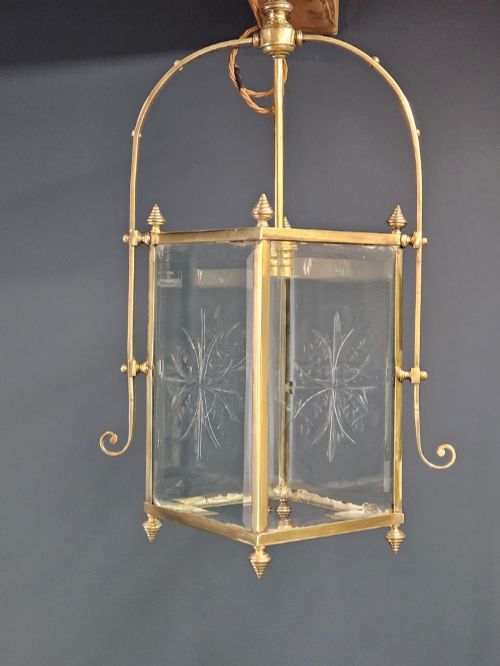
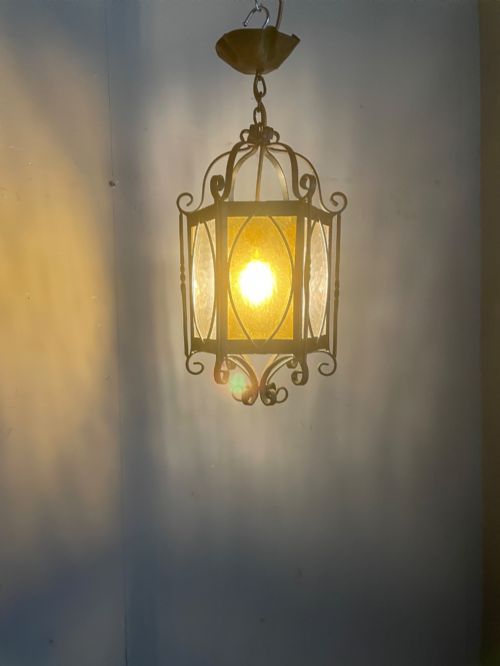
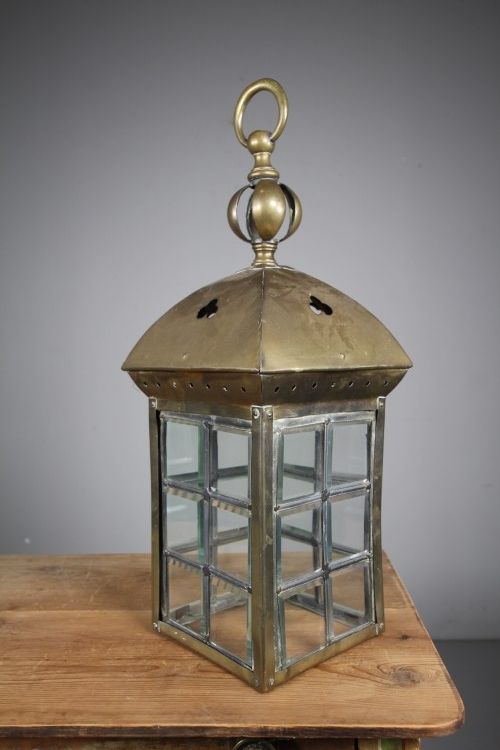
A vestibule pendant light hangs from an entrance ceiling to illuminate a hallway with brass, bronze, and glass.
Vestibule Pendant Light
A vestibule pendant light serves as a primary entrance fixture, designed to cast a welcoming glow across hallways and corridors. When exploring this selection, buyers frequently encounter hall lanterns and ceiling lights originating from the nineteenth and early twentieth centuries.
The assortment relies heavily on French and English examples spanning from the Victorian and Edwardian eras into the nineteen-thirties. These pieces combine functional glass panels with structural metal frames to secure an overhead hanging position.
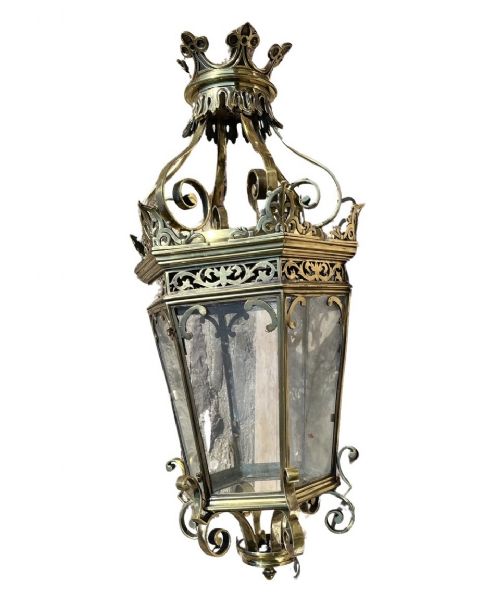
Makers utilised various geometric formats, including hexagonal frames and convex silhouettes, to suit narrow entrance spaces and higher ceilings. Such fittings establish a clear period atmosphere immediately inside the front door.
Materials and Construction
Metalwork forms the backbone of these fixtures, with brass, gilt bronze, copper, and wrought iron providing sturdy skeletons for glazed panels. Blacksmith made ironwork and cast elements demonstrate the robust structural methods applied during the nineteenth and early twentieth centuries.
Glass panels, sometimes cut or leaded, enclose the light source while diffusing illumination outward into the hallway. Gilt finishes and polished brass surfaces reflect this internal glow, enhancing the visual weight of the metal frames.
Vestibule Pendant Light Retail Price Guide 2026
Typical asking prices for vestibule pendant light among the pieces listed under this phrase on Sellingantiques today, from the lower quarter to the upper quarter. They describe what is for sale here now, not the wider market.
A blacksmith made one iron lantern with six sides so tight the soot had nowhere to hide except the ceiling.
Assessing Craftsmanship and Proportion
The refinement of the metal casting and the complexity of the decorative mountings set superior examples apart from standard utility fittings. Finer pieces display crisp chasing on bronze surfaces, integrated doors for bulb access, and well-balanced proportions suited to grander entranceways.
The integration of the glass panels within the metal framework demonstrates the maker's precision, where tight joints and substantial framing indicate higher grade production. Weight, substantial gauge metals, and sophisticated period styling further distinguish the upper tier of these lanterns.
The Vestibule Pendant Light Glossary
- Hall lantern
- A ceiling-suspended lighting fixture enclosed in glass and metal, designed specifically for corridors and entrance vestibules.
- Gilt bronze
- Metalwork coated with a thin layer of gold, providing a rich, durable surface finish popular in French decorative arts.
- Hexagonal
- A six-sided geometric form commonly utilised for the glass and metal frames of hanging lanterns.
- Convex
- Curving outward, describing glass panels or lantern bodies that project light across a wider angle.
Vestibule Pendant Light: Frequently Asked Questions
Where should I hang a hall lantern?
These fixtures suit entrance halls, vestibules, and high-ceilinged corridors where they provide both illumination and a decorative focal point.
Ensure adequate clearance beneath the fixture so that doors swing clear and movement remains unobstructed.
How do I access the bulbs?
Many period lanterns feature a hinged side door or a drop-down lower section secured by a latch for easy maintenance.
Carefully release the catch to swing open the glazed frame and replace internal lamps without dismantling the hanging apparatus.
What periods do these lights represent?
The selection spans from the mid-nineteenth century through the Edwardian era up to the nineteen-thirties.
Stylistic details range from Victorian brass work and Gothic Revival influences to French Neoclassical and Rococo designs.
Are these fixtures suitable for modern wiring?
Most antique hanging lights accommodate standard electrical fittings adapted by restorers for contemporary safety standards.
Consult a qualified electrician to ensure the hanging chain and ceiling rose safely support the weight of the metal frame.