
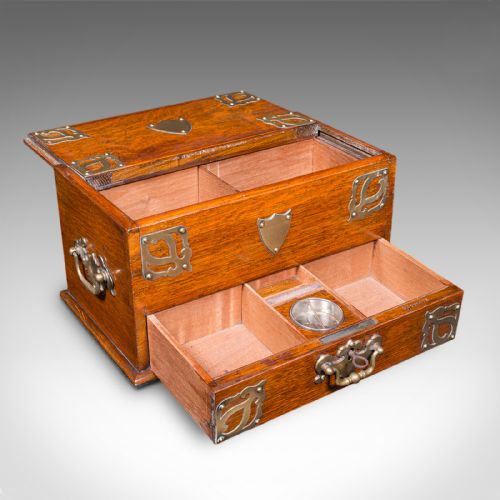


Brass Fitted Cabinet
A brass fitted cabinet is a functional storage piece combining timber housing with metal mounts, prized by collectors for its robust utility and period craftsmanship.
Brass Fitted Cabinet
A brass fitted cabinet encompasses a diverse range of functional storage forms that frequently appear in period styles. Buyers searching for a brass fitted cabinet will encounter items spanning the Georgian, Regency, Victorian, and Edwardian eras, alongside later commercial pieces from the 1920s and 1930s.
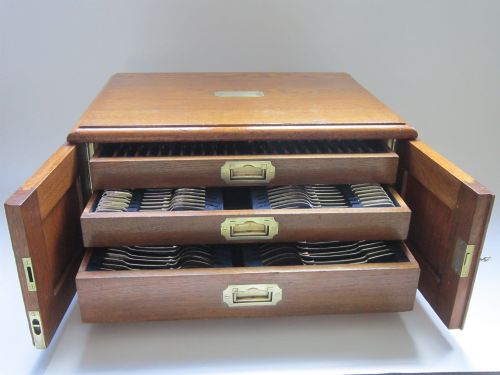
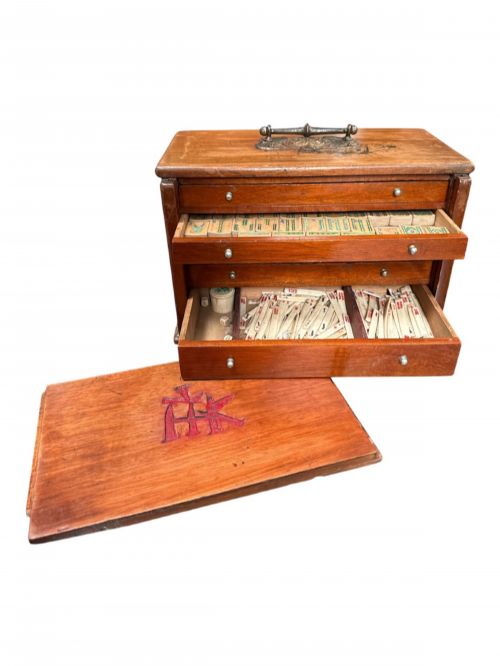
The selections on this page incorporate distinct object types designed for specific organisational tasks. These include stationery cabinets, apothecary boxes, cutlery canteens, table cabinets, and shop display units alongside larger storage forms.
Originating from domestic, office, and retail environments, these pieces reflect the practical storage needs of past centuries. The prevailing forms rely heavily on structural timber carcasses augmented by durable metal hardware.
Materials and construction techniques
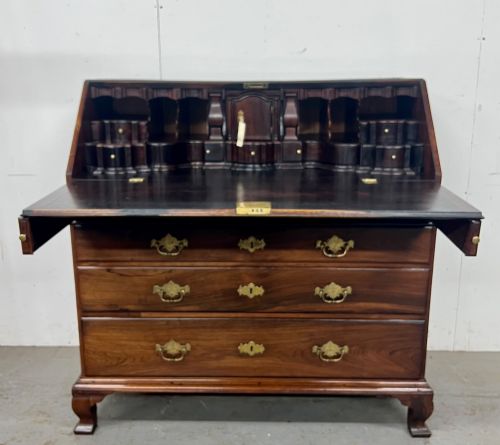
Construction relies upon traditional cabinet timbers such as mahogany, oak, walnut, rosewood, and maple. These woods provide the structural integrity required for boxes, chests, and display units.
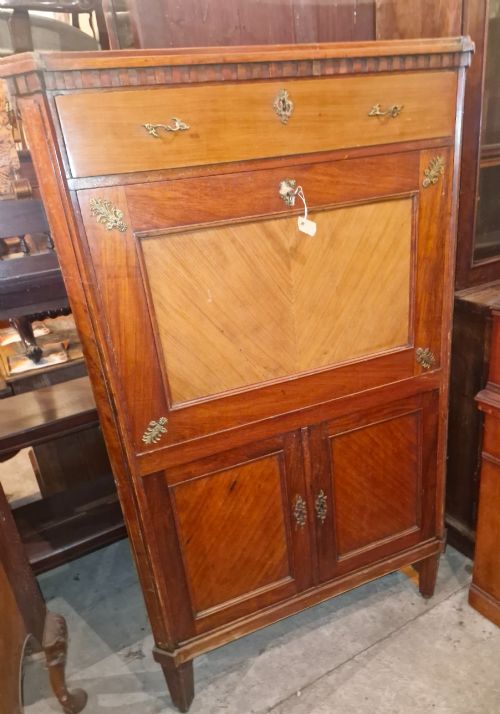
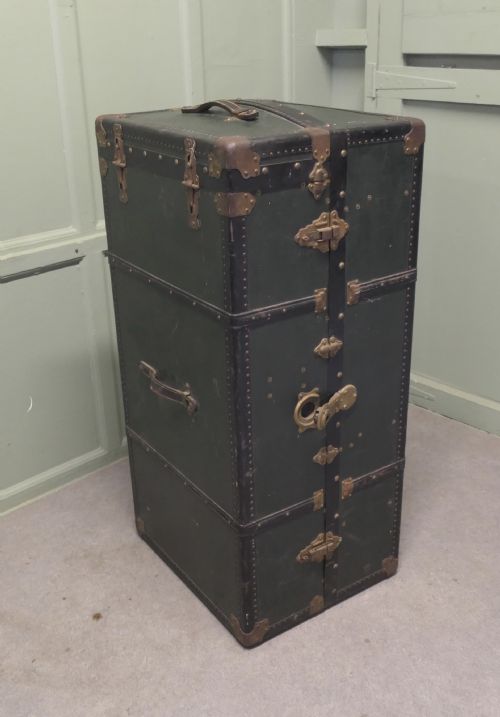
Metal hardware forms an integral structural and decorative element across the pieces. Brass mounts, hinges, corners, and handles secure the joints and protect the edges of campaign style items, trunks, and stationery boxes.
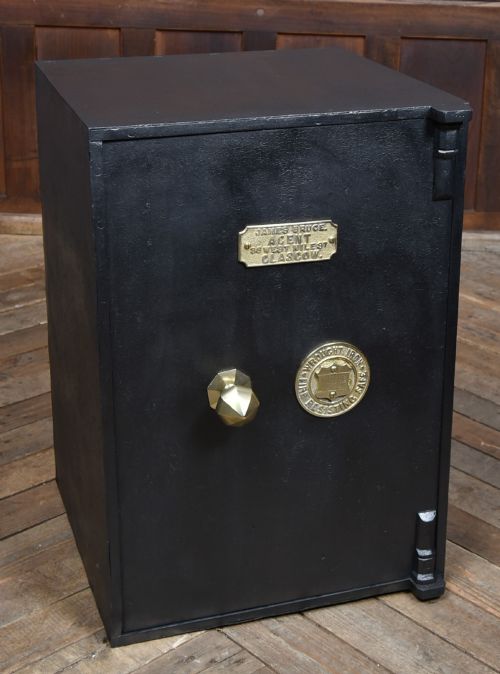
Supplementary materials such as glass, cast iron, and velvet appear in specific contexts. Glass is utilised for display cabinet panels and shop counters, while cast iron and velvet line secure safes and interior compartments.
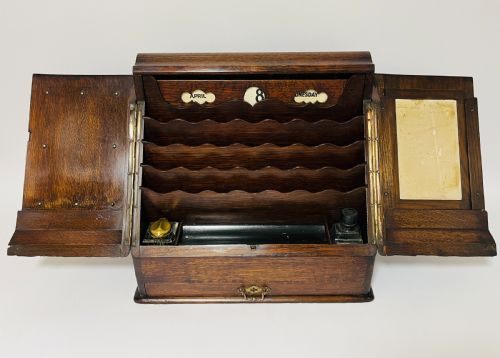
Some stationery boxes retain tiny, secret compartments designed for stashing postage stamps and private notes away from prying eyes.
Factors determining quality
The standard of execution in the cabinetry separates exceptional examples from ordinary utility items. Precision in joinery, the selection of figured wood veneers, and the harmonious integration of brass hardware dictate the overall merit of a piece.
The integrity of the internal fittings defines the functional quality of specialised items like apothecary boxes, stationery cabinets, and cutlery canteens. Original partitions, intact glass bottles, and functioning locking mechanisms indicate higher grade manufacture.
Shoolbred & Co.·James Bruce·Maple and Co·Walker & Hall·Mappin & Webb·John McClean·Siegel
The Brass Fitted Cabinet Glossary
- Campaign
- Furniture designed to dismantle or fold easily for military travel. These pieces typically incorporate recessed brass handles and reinforced brass corners to withstand rough transit.
- Canteen
- A fitted chest or box designated for holding cutlery and flatware sets. They often feature multiple internal tiers and baize lining to protect individual utensils.
- Apothecary box
- A compact portable cabinet fitted with internal compartments for medical bottles and scales. These boxes utilise secure lids and brass carrying handles for safe transport.
- Stationery cabinet
- A desk accessory or tabletop box designed for organising writing paper and envelopes. They frequently incorporate sloping lids and fitted pigeonholes.
- Haberdashery cabinet
- A retail storage unit featuring numerous shallow drawers or glass fronts. Originally utilised in shops for displaying textiles and small goods.
Brass Fitted Cabinet: Frequently Asked Questions
What is a brass fitted cabinet used for?
These cabinets served various practical functions in domestic, commercial, and military contexts. They provided secure storage for correspondence, medical supplies, cutlery, and retail merchandise.
Today, owners utilise them to display collections or organise household items while introducing period character to interior spaces.
How do I identify the period of a cabinet?
Dating relies on examining the timber species, construction methods, and hardware styles used in the piece. Georgian and Regency examples often feature mahogany and rosewood with refined classical proportions, while Victorian and Edwardian items display heavier mounts and industrial adaptations.
Commercial pieces from the 1920s and 1930s frequently utilise oak or walnut in streamlined display formats suited for shop environments.
Are brass fitted cabinets suitable for modern homes?
Their compact dimensions and practical internal compartments make them highly adaptable for contemporary living spaces. Table cabinets, stationery boxes, and small display units fit easily onto existing desks or sideboards.
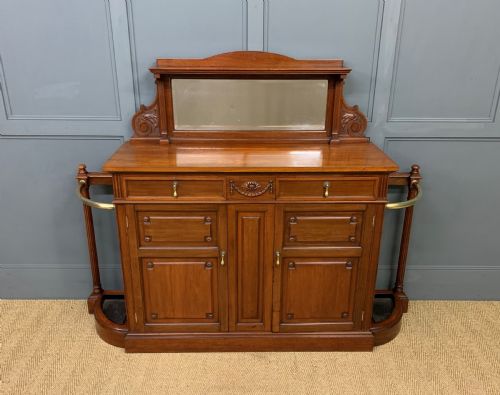
Larger items like shop display counters and hall cupboards function effectively as standalone storage focal points in modern interiors.
How should I care for wooden and brass fittings?
Maintenance involves dusting timber surfaces with a soft, dry cloth and avoiding direct sunlight or excessive moisture. Natural wax helps preserve the finish of hardwoods like oak and mahogany.
Brass mounts can be left with their natural aged patina or cleaned gently with a non abrasive metal polish when required.