



Brass Fireplace Bin
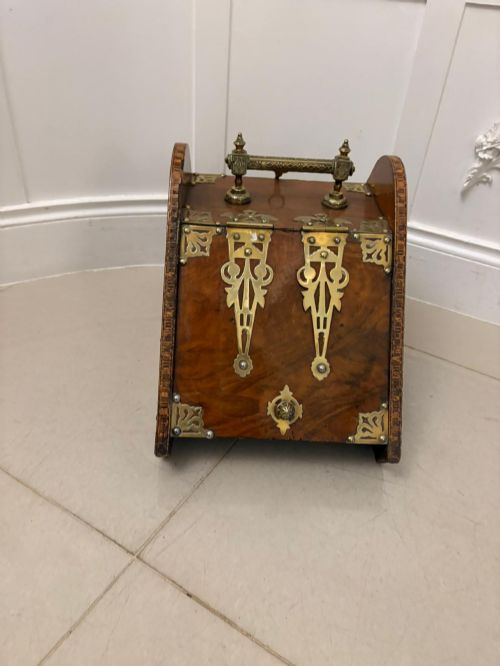
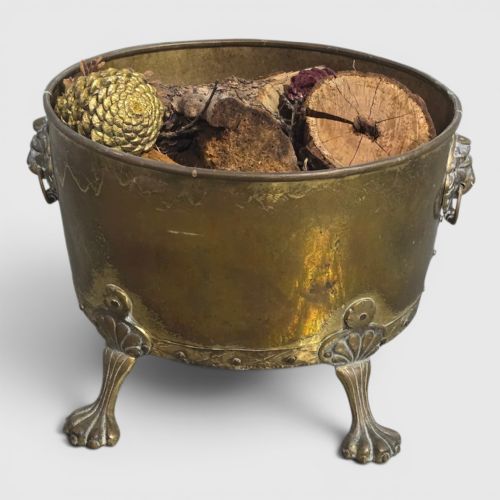
A brass fireplace bin is a solid fuel container that tidies the hearth, and you will find Victorian and Edwardian examples here in brass, copper and timber.
Brass Fireplace Bin
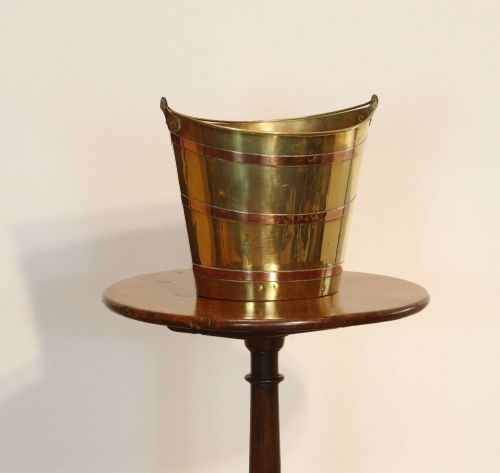
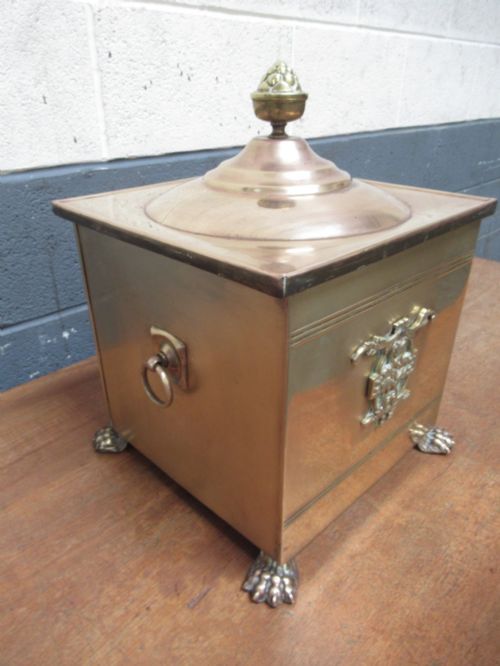
A brass fireplace bin provides practical storage for logs, coal, and peat beside the hearth. These pieces serve as functional fireside accessories that keep fuel contained while adding metalwork interest to the room.
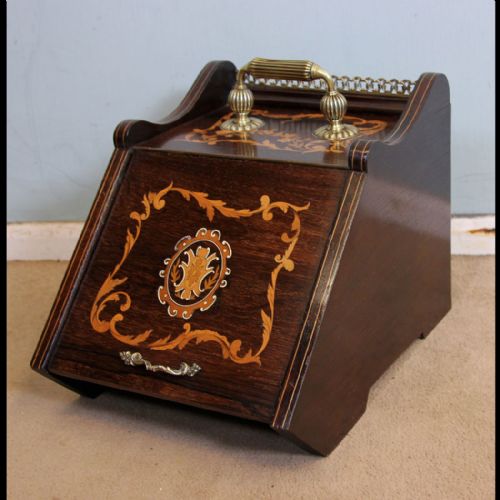
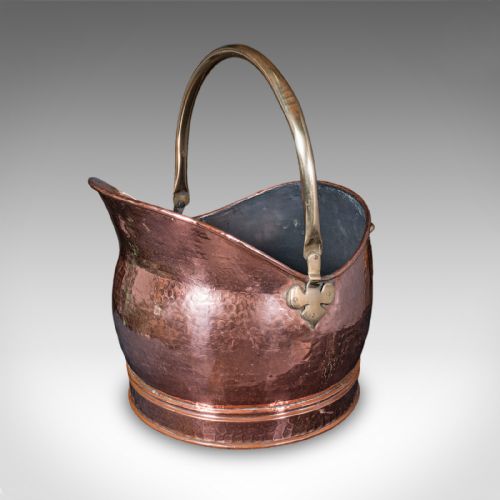
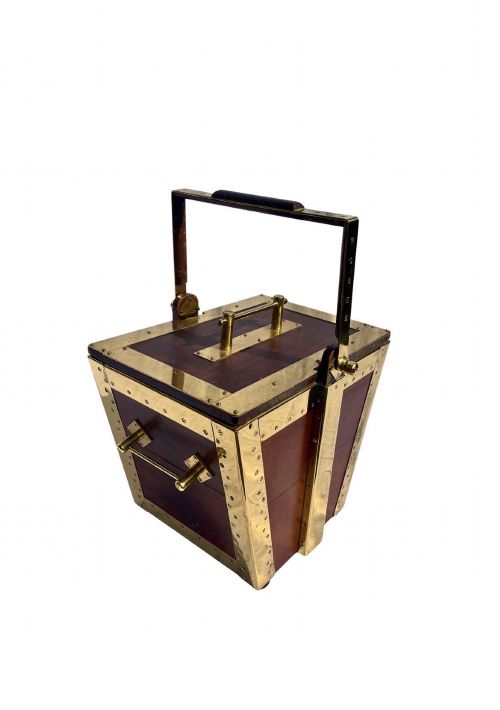
The most common versions on this page are Victorian and Edwardian cylinders, buckets, and lidded boxes. Many pieces combine polished sheet metal with timber bodies or decorative metal bands.
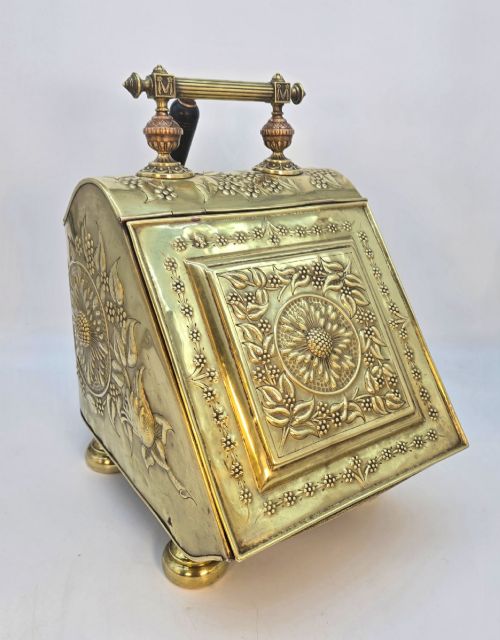
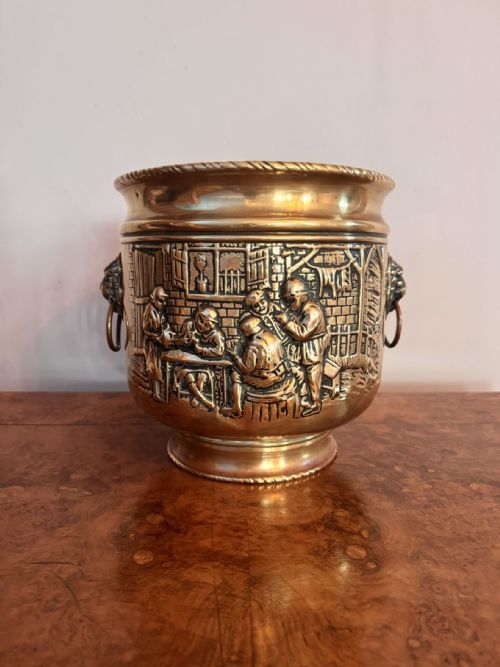
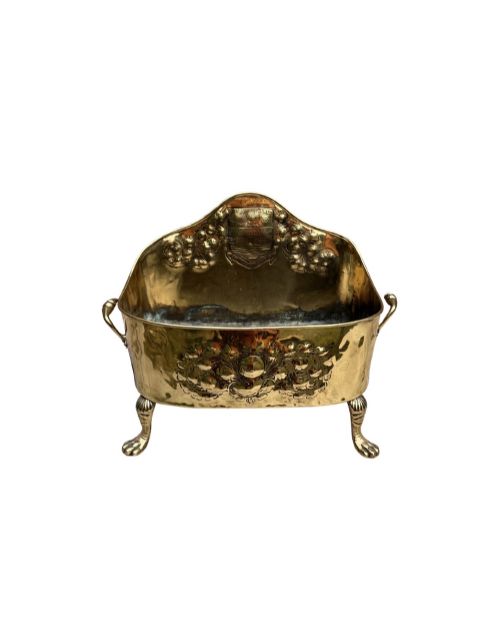
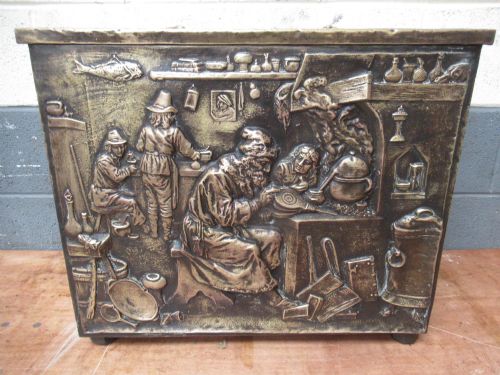
Makers often fashioned these containers to double as planters or jardinières when fuel storage was not required. Examples range from plain cylindrical bins to decorative boxes featuring hand-beaten surfaces and embossed scenes.
How they were made
Makers utilised sheet brass and copper, hammering, spinning, and embossing the metal to create rigid bodies and decorative reliefs. Many vessels feature copper bands, brass mounts, and applied swing handles secured with rivets.
Timber versions combine oak, mahogany, walnut, or rosewood with brass hinges, handles, and liners. Coopered examples employ traditional stave construction with metal hoops to hold wooden staves together.
Brass Fireplace Bin Retail Price Guide 2026
Typical asking prices for brass fireplace bin among the pieces listed under this phrase on Sellingantiques today, from the lower quarter to the upper quarter. They describe what is for sale here now, not the wider market.
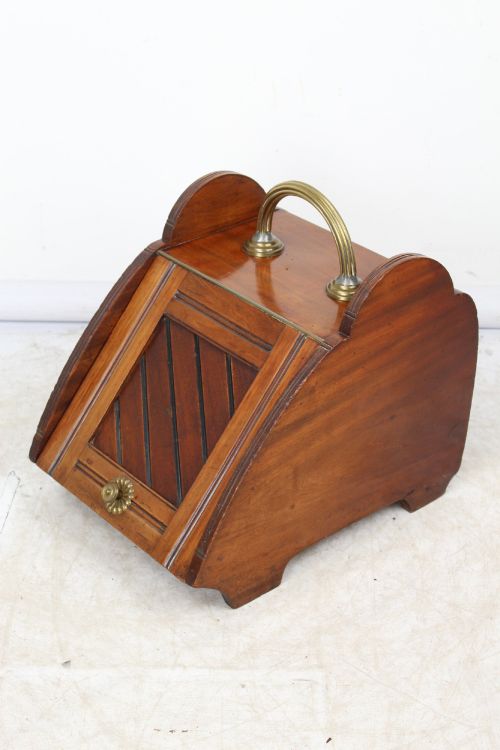
Some coal boxes come equipped with a hidden compartment that neatly stores the original metal shovel.
What varies in quality
Quality rests in the weight of the metal, the crispness of any hand-hammered or embossed decoration, and the integrity of internal metal liners. Substantial gauge brass and copper endure heavy use without denting easily.
Fine craftsmanship appears in dovetailed wooden joints, retained original shovels, and maker marks stamped into the base or handles. Pieces with integrated metal liners protect the outer shell from moisture and ash.
Henry Loveridge·Petrus Ramus·William Soutter And Sons
The Brass Fireplace Bin Glossary
- Coal scuttle
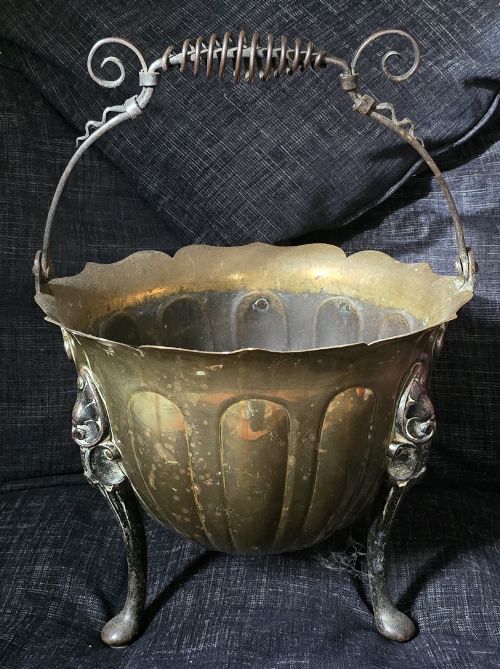
- A bucket or box designed for holding coal near the fireplace, often featuring a sloping front or a hinged lid. Many include a swinging handle for carrying fuel from the cellar.
- Purdonium
- A specific type of freestanding coal box, usually made from wood with brass mounts, containing a removable metal liner and sometimes a fitted shovel at the back.
- Coopered
- A method of construction where tapered wooden staves are joined side by side and bound with metal hoops, traditionally used for casks and peat buckets.
- Jardinière
- An ornamental pot or stand for holding plants or flowers, a secondary function shared by many metal coal bins and planters listed here.
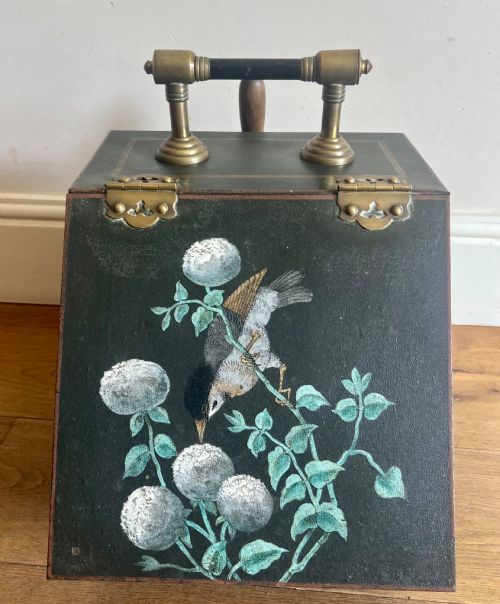
- Tole ware
- Lacquered or enamelled metalware, occasionally found in fireside storage vessels offering dark painted finishes.
Brass Fireplace Bin: Frequently Asked Questions
What is a brass fireplace bin used for?
These bins store coal, logs, or peat beside an open hearth, keeping solid fuel close at hand while concealing it away from the room. They tidy the fireplace surround and prevent debris from spilling onto the floor.
Many examples also function as decorative planters or umbrella stands when not in active fireside service. Their sturdy metal construction accommodates heavy logs and damp fuel without difficulty.
How do I tell Victorian from Edwardian bins?
Victorian pieces frequently display heavier ornamentation, including embossed tavern scenes, deep floral repoussé work, and dark woods like walnut or rosewood. They often date from the late nineteenth century around eighteen-eighty.
Edwardian items tend to show cleaner lines, lighter oak construction, and Arts and Crafts influence with hand-beaten copper surfaces. They reflect a shift towards simpler geometric forms and functional utility around nineteen-hundred.
Can I use an antique bin for real logs?
Yes, provided the vessel has a sound internal metal liner to catch moisture, bark, and dirt from raw timber. Most bins featuring original liners or sturdy copper bodies handle logs quite well.
For unlined wooden boxes, placing a separate metal bucket inside protects the antique timber from scratches and dampness. Regular dusting and gentle polishing maintain the finish of the exterior brass.
What styles are common in these bins?
Arts and Crafts designs appear frequently, characterised by hammered copper, exposed rivets, and stylized floral or spade motifs. Art Nouveau pieces introduce flowing organic curves and whiplash lines to the metal surface.
Victorian Revival and plain utilitarian styles also occur, alongside Scottish coopered peat buckets and French brass fuel baskets. Each style reflects the prevailing decorative tastes of its manufacturing period.