



Brass Coal Purdonium
When you search for a brass coal purdonium, you are looking for a fireside fuel container designed to store coal near the hearth.
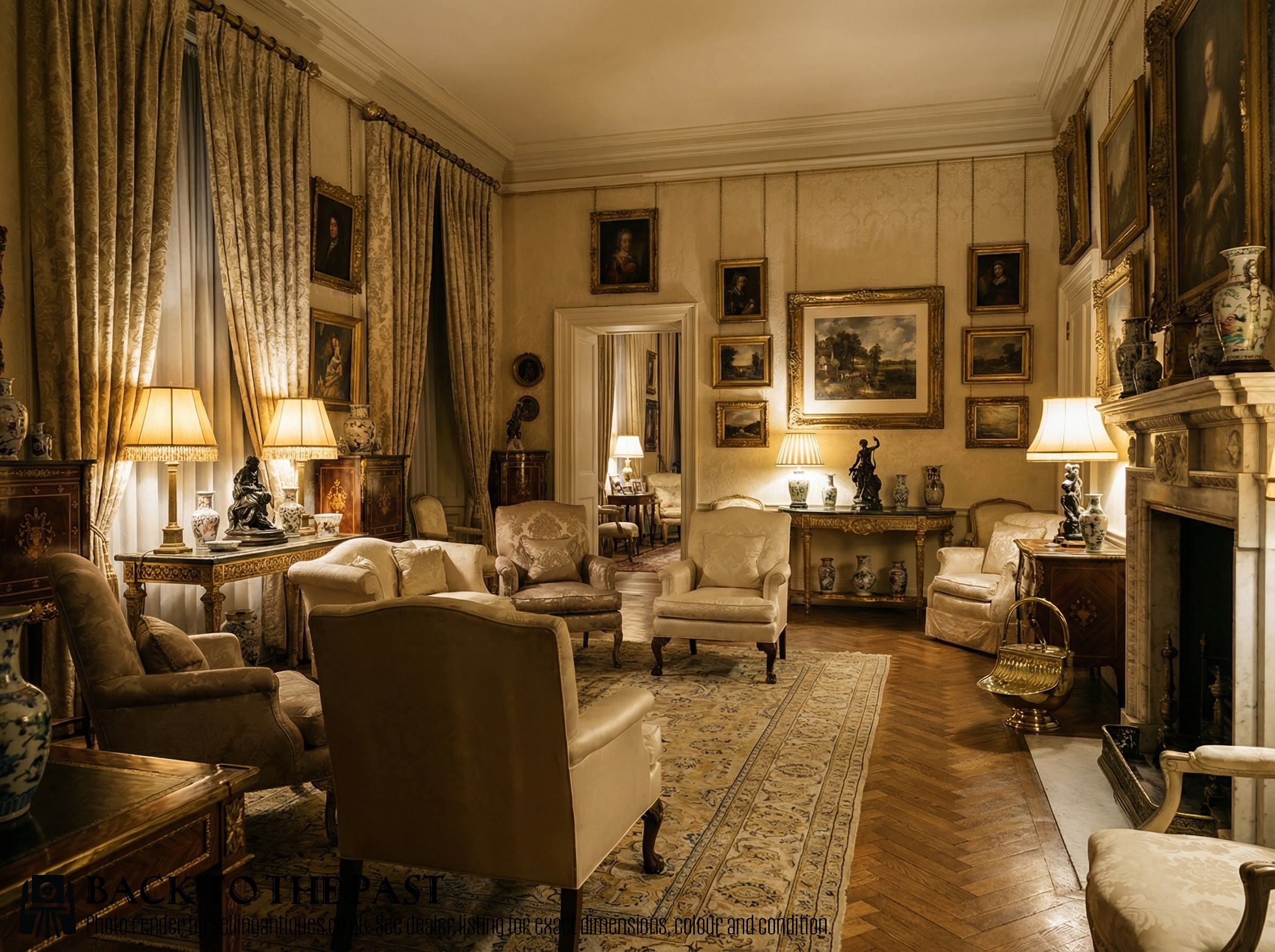
What They Are
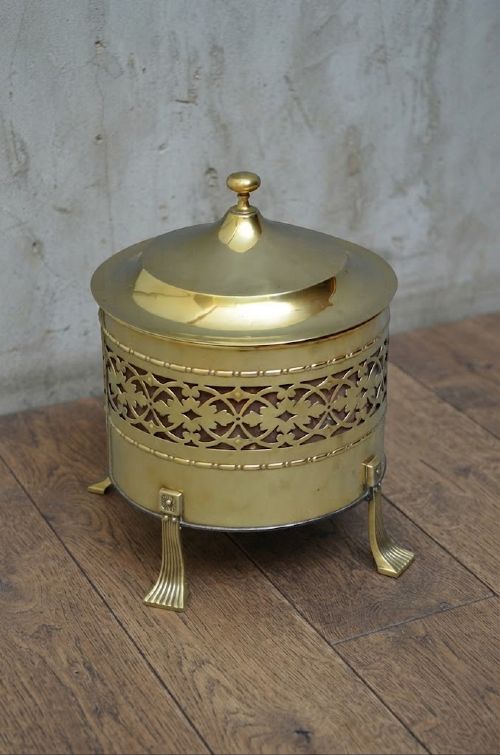
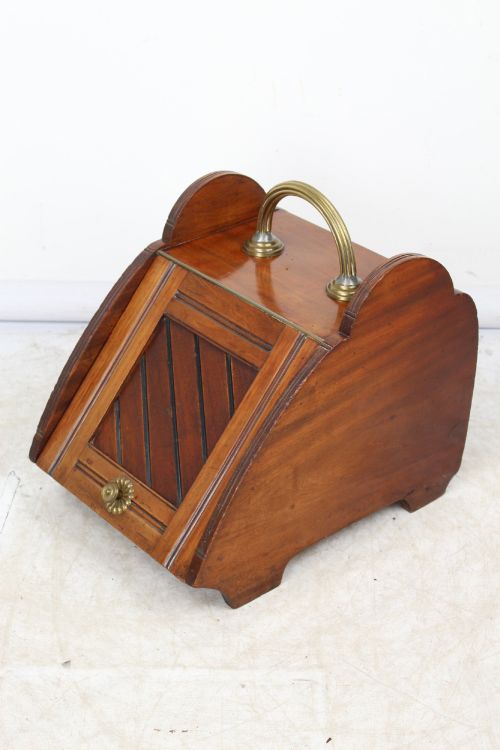
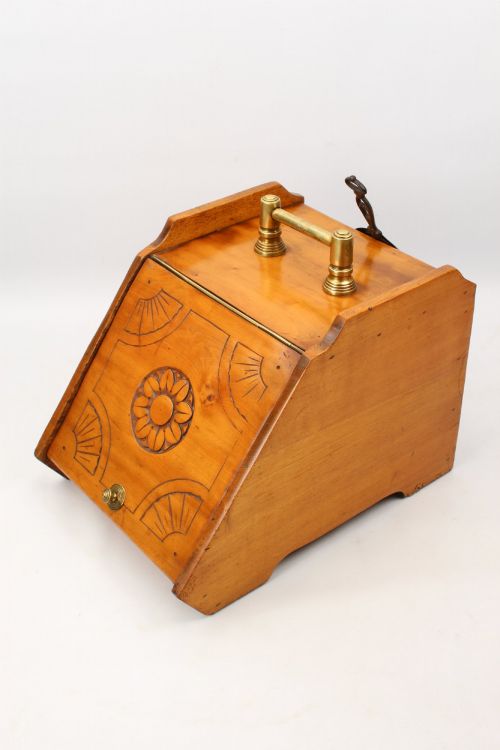
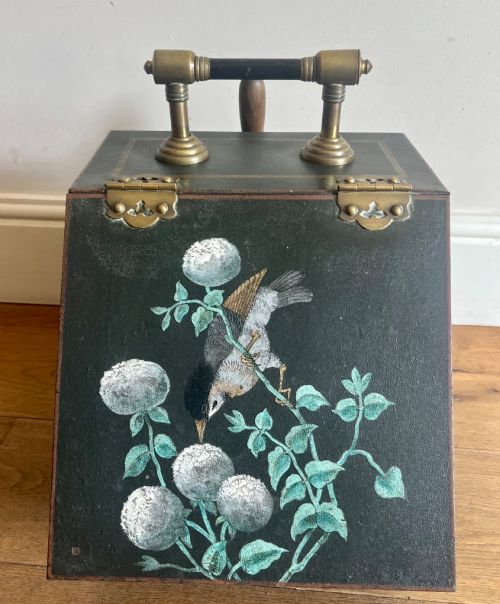
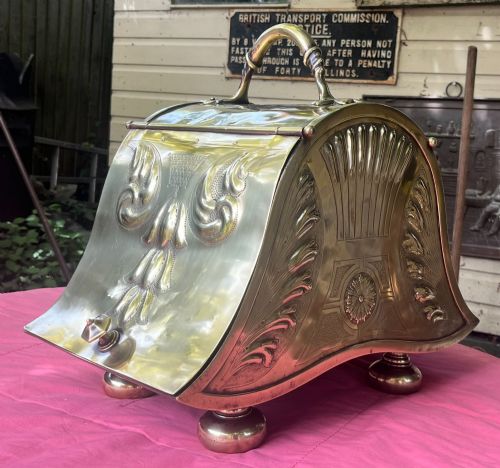
A brass coal purdonium is a fireside accessory used for holding and transporting coal to the fireplace. The selection includes Victorian, Edwardian, and nineteenth-century examples alongside Adam style pieces.
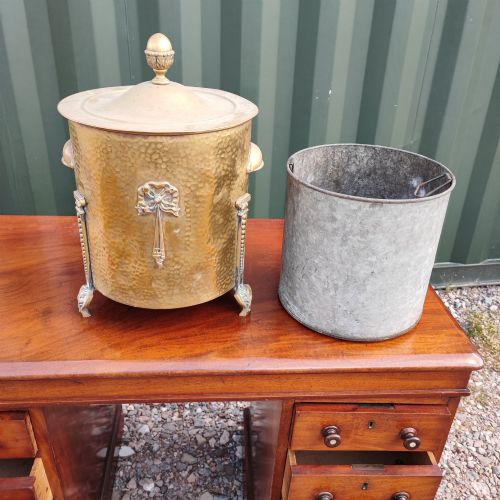
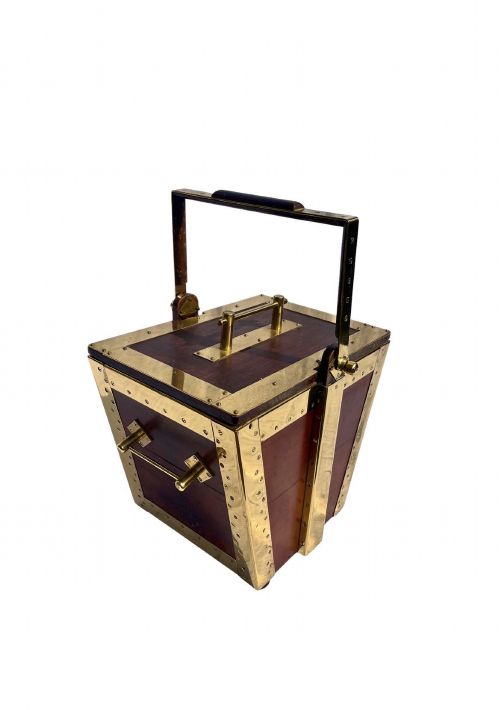
The forms span coal buckets, bins, scuttles, and specialised cabinets with matching shovels. These items combine practical fuel storage with decorative metalwork suited to period interiors.
Origin details in the record point to English and Scottish manufacture. Walnut, oak, mahogany, and ebonised wood appear alongside the dominant brass and copper construction.
How They Were Made
These pieces utilise solid timber frames in walnut, mahogany, oak, and ebonised woods. Woodworkers joined these cabinets and bins to house metal linings.
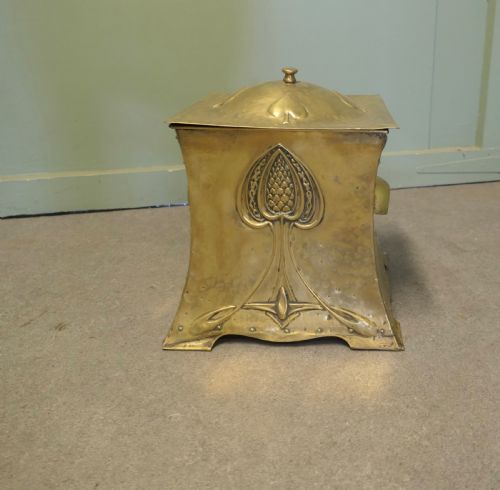
Metalworkers applied sheet brass and copper to the wooden bodies, adding brass binding, decorative detailing, and handles. Certain items incorporate matching shovels and internal storage compartments.
Retail Price Guide 2026
Typical UK retail prices for brass coal purdonium, calculated from the Sellingantiques database of over a million retail prices indexed since 2003. This retail price guide relies exclusively on Sellingantiques data; no external sources or auction records are used, so the figures do not describe the wider market.
Some nineteenth-century examples arrived equipped with their own dedicated coal shovels, ensuring the hearth remained properly tended.
What Varies in Quality
Distinctions in quality rest upon the complexity of the cabinetwork and the weight of the metal components. Heavier brass mountings and finer timber grain distinguish the better examples.
The integration of specific stylistic elements, such as Adam style motifs or Arts and Crafts details, separates standard utility boxes from more ambitious decorative items.
The Brass Coal Purdonium Glossary
- Purdonium
- A specialised coal box or cabinet designed for the fireside, often featuring a sloping front or drop-down door. This term specifically denotes a domestic fuel container of nineteenth-century origin.
- Coal Scuttle
- A traditional bucket or container used for carrying coal from the cellar to the hearth. These objects usually include a carrying handle and a smaller grab handle for tipping.
- Adam Style
- A neoclassical design style characterised by symmetrical forms and classical ornament. Pieces in this manner reflect eighteenth-century architectural revivals.
- Ebonised
- Wood finished to resemble ebony through staining or painting. This technique creates a dark, uniform surface popular in Victorian furniture.
Frequently Asked Questions
What is a purdonium?
A purdonium is a Victorian or Edwardian fireside cabinet or box built to hold coal. It typically houses a metal liner and sometimes includes a matched shovel.
These pieces were kept beside the fireplace for domestic fuel storage during the nineteenth and early twentieth centuries.
How do I date a coal purdonium?
Dating relies on stylistic clues, wood types, and construction methods. Pieces range from the nineteenth century through the Edwardian period.
Victorian and Edwardian examples often feature walnut, mahogany, or ebonised wood combined with brass mounts and fittings.
Were these made in Scotland?
Scottish provenance appears among the recorded pieces, alongside English manufacture. Cabinetmakers in various regions produced these fireside accessories.
Local workshop traditions influenced the choice of timbers like oak and walnut alongside standard brass work.
What woods were used?
Makers utilised walnut, mahogany, oak, and ebonised wood for the bodies of these fuel stores. Timber selection often matched other domestic furniture of the period.
Brass and copper sheet metal were then applied over or alongside the wooden frames.