


Blue White Transferware Basin
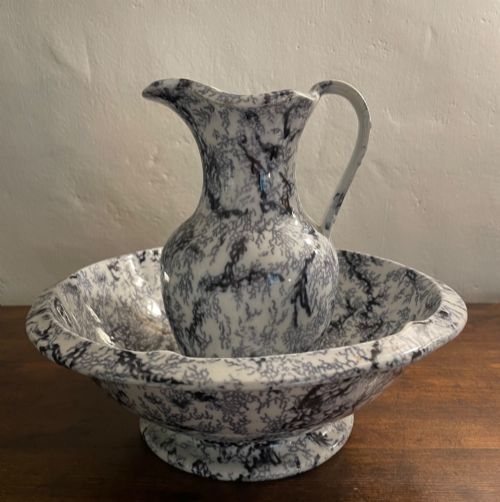
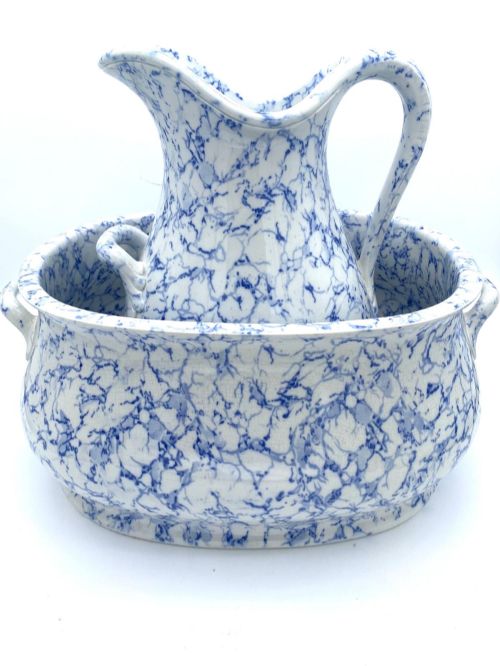
A blue white transferware basin is a robust ceramic vessel designed for the washstand, prized for its crisp cobalt printed scenes.
Blue White Transferware Basin
A blue white transferware basin forms part of a traditional washing ensemble, often paired with matching water jugs or incorporated into complete bathroom sets. These pieces originate from periods spanning the Georgian, Regency, and Victorian eras, alongside Edwardian examples.
The forms vary from deep footbaths and footed bowls to liner vessels and wash basin sets. Buyers encounter robust earthenware pieces designed for daily domestic use in nineteenth-century bedrooms and dressing rooms.
Makers ranged from Staffordshire potteries to prominent factories such as Minton and Doulton Burslem. Each blue white transferware basin reflects the shifting aesthetic tastes of the nineteenth and early twentieth centuries.
How they were made
Potters shaped earthenware bodies on the wheel or in moulds before applying printed cobalt designs from engraved copper plates. This transfer printing method allowed intricate pastoral or architectural scenes to cover the curved surfaces of jugs and basins.
A transparent glaze seals the ceramic body, often imparting a glossy finish that protects the blue pigment beneath. Some refined examples incorporate subtle gilt or gold leaf detailing along the rim, applied after the initial firing.
Some nineteenth-century footbaths are so generously proportioned they could easily double as luxurious indoor swimming pools for pampered small pets.
What varies in quality
The clarity and registration of the printed transfer define the visual appeal, where finer pieces maintain sharp lines without blurring or smudging. The depth of the cobalt pigment and the smoothness of the glazed ceramic surface further distinguish standard utilitarian wares from superior factory productions.
Subtle additions such as gilded highlights or complex footed forms elevate the status of a vessel. The overall preservation of the glaze and the crispness of the earthenware mouldings indicate the level of care taken during manufacture.
Minton·Ridgway·Doulton Burslem·Staffordshire
The Blue White Transferware Basin Glossary
- Transferware
- Earthenware decorated by applying a printed design from a copper plate onto paper and then onto the ceramic body. This technique revolutionised pottery production in Britain during the nineteenth century.
- Flow blue
- A style of transfer printing where the cobalt blue pigment intentionally bleeds into the surrounding glaze during firing. This creates a soft, hazy outline around the printed pattern.
- Pearlware
- A refined earthenware developed in the late eighteenth century featuring a slightly bluish glaze that pooled in recesses. It served as a transitional ceramic body before standard white ironstone.
- Footbath
- A large, deep ceramic vessel equipped with handles, designed for washing feet in the bedroom before modern plumbing. They often share the same decorative blue and white patterns as wash basins.
Blue White Transferware Basin: Frequently Asked Questions
What is a blue white transferware basin?
A blue white transferware basin is a ceramic wash bowl decorated with printed cobalt designs, produced primarily during the nineteenth and early twentieth centuries.
These vessels formed an essential part of bedroom washing sets before running water became common in homes.
How were these basins originally used?
They sat upon wooden washstands alongside matching water jugs to hold water for morning and evening washing.
Larger versions, such as footbaths, served specifically for soaking feet in the bedroom.
How can I date a transferware basin?
Dating relies on stylistic clues, ceramic bodies such as pearlware or earthenware, and factory marks stamped or printed on the base.
Georgian and Regency pieces often feature distinct floral or oriental transfer patterns, while Victorian and Edwardian examples show heavier moulded forms.
Can I use an antique basin today?
Most buyers display these pieces as decorative items or repurpose them for holding towels or dried botanicals.
Due to their age and fragile glazes, everyday washing use is generally discouraged to preserve the ceramic.