


Georgian Ceramic Fruit Bowl
A georgian ceramic fruit bowl brings structured elegance to the table, combining functional form with intricate pierced or painted decoration.
Georgian Ceramic Fruit Bowl
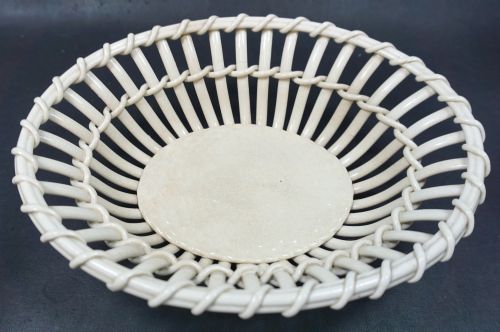
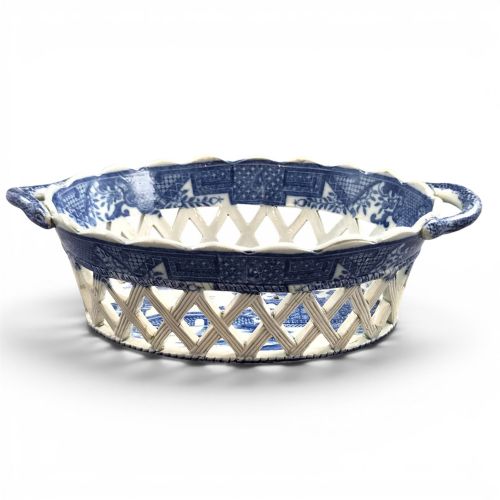
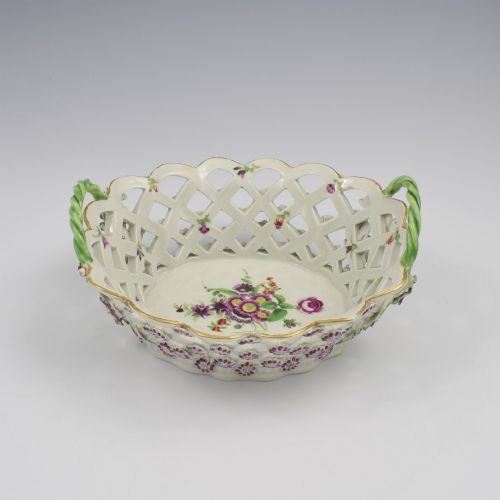
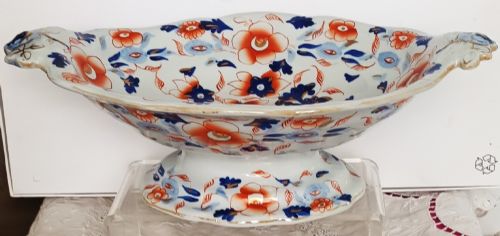
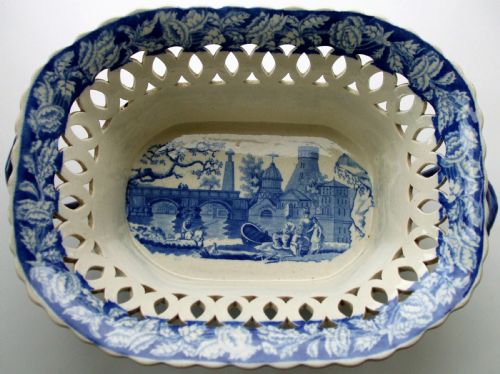
When searching for a georgian ceramic fruit bowl, buyers encounter an array of footed comports, punch bowls, and pierced chestnut baskets designed for dining room presentation. These pieces span the eighteenth and nineteenth centuries, originating from English potteries and continental workshops alike.
The selection on this page relies heavily on earthenware, pearlware, ironstone, and porcelain forms. Pierced baskets and pedestal bowls dominate the available selection, reflecting formal dining habits of the period.
How They Were Made
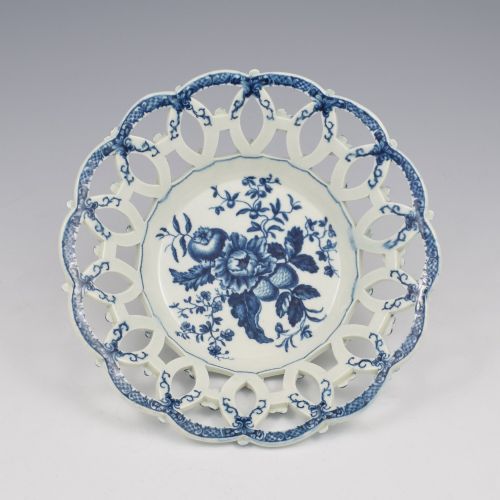
Potters shaped these vessels using creamware, pearlware, ironstone, and porcelain, applying glazes and enamel colours by hand. Many chestnut baskets and dessert dishes feature intricate reticulated or pierced galleries formed while the clay was wet.
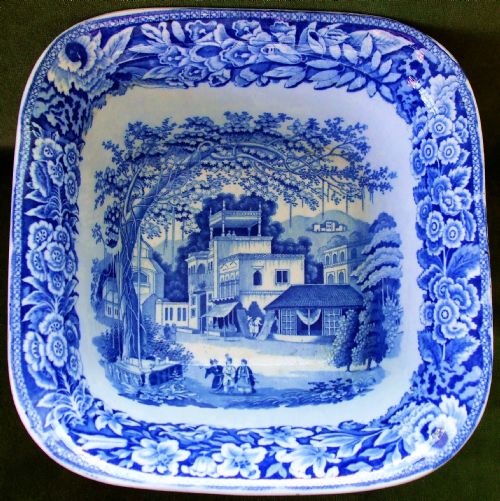
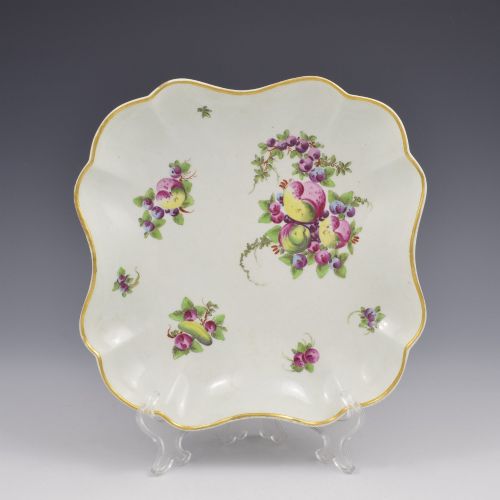
Transfer printing applied blue and white patterns such as willow or river scenes onto earthenware and pearlware surfaces. Gold leaf accents and polychrome enamels completed the decoration on porcelain comports and punch bowls.
Materials span earthenware, ironstone, porcelain, and pearlware across eighteenth and nineteenth-century pieces.
What Varies in Quality
Quality rests in the crispness of the pierced openwork on chestnut baskets and the precision of the blue and white transfer printing or hand-painted enamel details. Superior examples maintain clean lines in moulded handles and undamaged reticulated walls.
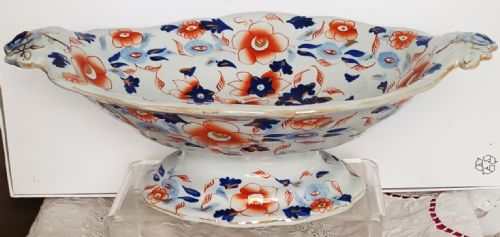
The execution of patterns like the Japan style or dragon in compartments distinguishes finer porcelain and ironstone pieces. Well-defined foot rims and intact matching stands elevate the stature of a comport or basket.
Wedgwood·Spode·Dr Wall Worcester·J. and R. Clews·J. and R. Riley·Ridgway·Chamberlain Worcester
The Georgian Ceramic Fruit Bowl Glossary
- Chestnut Basket
- A covered ceramic vessel used for serving chestnuts or fruit at the table. These pieces often feature pierced or reticulated sides and matching underplates.
- Comport
- A pedestal bowl raised on a foot, designed for serving fruit or dessert. They appear in earthenware, ironstone, and porcelain.
- Pearlware
- A fine earthenware developed in the late eighteenth century featuring a subtle bluish glaze that pooled in recesses. It served as a popular canvas for blue and white transfer printing.
- Reticulated
- Describes ceramic work featuring an open network of pierced openings forming decorative geometric or floral patterns. This technique required considerable skill during drying and firing.
- Delftware
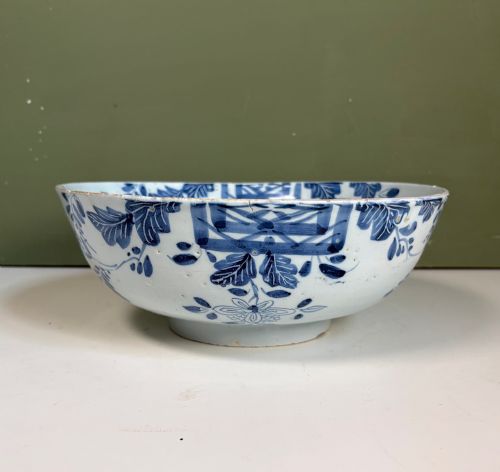
- Tin-glazed earthenware produced in imitation of Chinese porcelain, typically decorated in blue and white. Pieces range from punch bowls to decorative bowls.
Georgian Ceramic Fruit Bowl: Frequently Asked Questions
What is a chestnut basket used for?
These vessels held roasted chestnuts warm at the dining table, utilising pierced sides to release steam while keeping the contents contained.
Over time, collectors adapted them to serve fruit or display as decorative centrepieces due to their intricate openwork design.
How do I distinguish pearlware from creamware?
Creamware exhibits a warm, buttery yellow tone imparted by its transparent lead glaze over pale body clay.
Pearlware incorporates a small amount of cobalt in the glaze, resulting in a bluish pooling effect that whittens the overall appearance.
Are these bowls safe for serving food?
While historically used for dining, antique ceramics often develop microscopic glaze crazing that absorbs liquids and stains over time.
Most modern collectors prefer to use them for display or dry presentation rather than wet food service.
How do I care for an antique ceramic bowl?
Wash these pieces gently by hand using warm water and mild soap, avoiding dishwashers and harsh scouring pads.
Protect delicate handles, feet, and pierced galleries from impact during handling and storage.