




Blue White English Plates
These blue white english plates bring centuries of cobalt pigment decoration and tin-glazed earthenware to the table.
Blue White English Plates
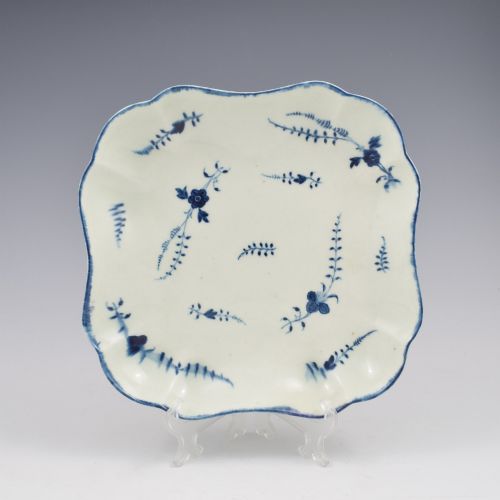
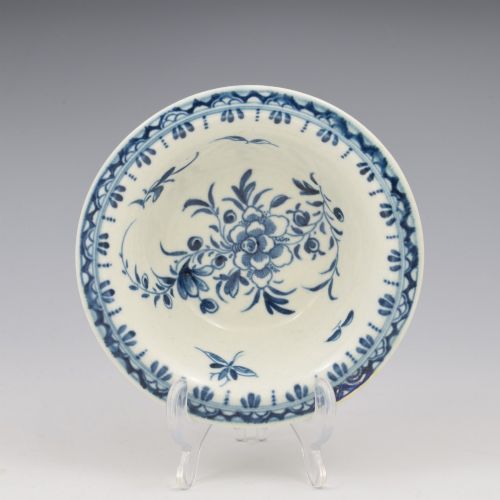
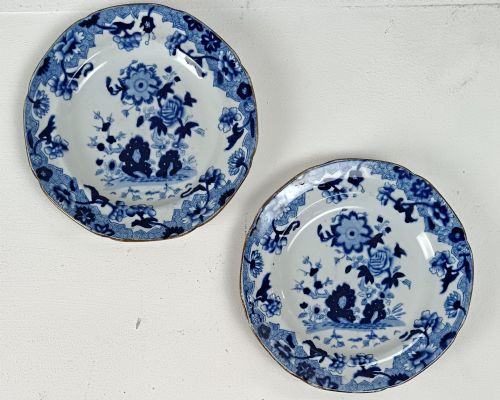
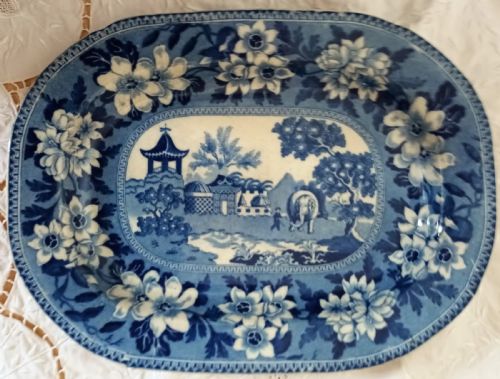
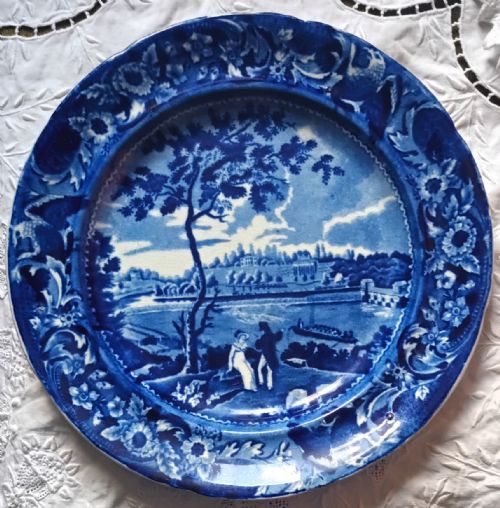
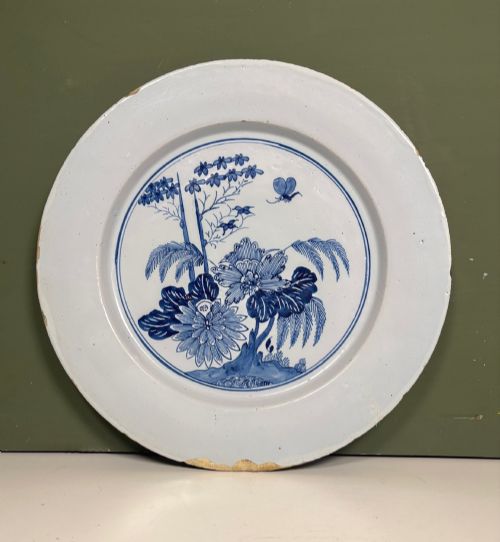
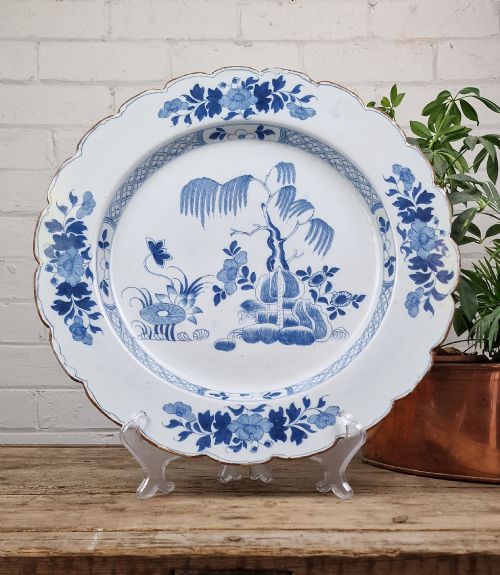
Blue white english plates encompass centuries of ceramic production, ranging from early delftware chargers to transfer-printed earthenware dishes. When searching this phrase, a buyer encounters everything from large 18th-century chargers to Georgian and Victorian serving platters and dining plates.
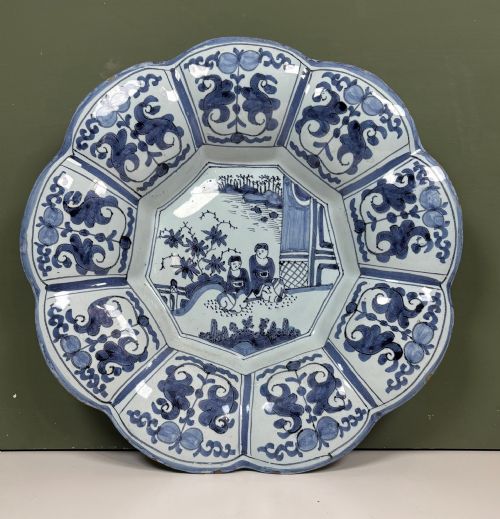
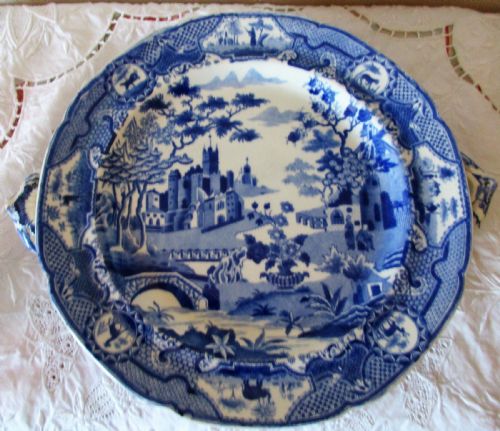
The delftware version stands out among these listings, featuring tin-glazed earthenware painted with cobalt pigment in the 18th century. Alongside these lie transfer-printed pearlware and ironstone pieces produced during the Georgian and Victorian periods by factories such as Spode and Mason's.
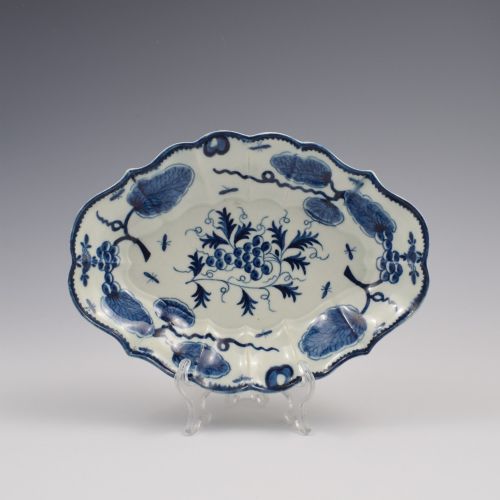
Forms vary from shallow bowls and tea plates to heavy meat platters and hot-water plates designed to keep food warm. The selection records diverse patterns, including oriental motifs, landscapes, and historical views.
How they were made
Makers utilised earthenware, soft-paste porcelain, and stoneware as the body for these pieces, applying white tin glazes or transparent lead glazes over the clay. Cobalt pigment provided the deep blue colour, painted by hand on earlier delftware or applied via transfer printing on later pearlware and ironstone.
Transfer printing involved engraving a copper plate with the pattern, transferring the blue ink onto tissue paper, and pressing it onto the ceramic biscuit before glazing and firing. Hand-painted examples required skilled brushwork directly onto the unfired tin glaze or under the clear glaze.
Listings span the 18th century, Georgian, and Victorian periods, incorporating earthenware, soft-paste porcelain, and pearlware.
What varies in quality
Quality rests upon the crispness of the cobalt transfer print and the precision of the hand-painted brushwork. Finer pieces display sharp delineation in intricate scenes, whereas lesser examples suffer from smudged pigment or poorly aligned transfer lines.
The purity of the ceramic body and the smoothness of the glaze also separate tiers of production. Early delftware depends on the evenness of the tin glaze, while porcelain and ironstone demand a clear, unblemished surface that allows the blue pigment to stand out cleanly.
John Rogers And Son·John Ridgway·Grainger And Co Royal Worcester·Bow Porcelain
The Blue White English Plates Glossary
- Tin Glaze
- An opaque white glaze containing tin oxide, providing the pale background for blue pigment on 18th-century delftware.
- Pearlware
- A refined earthenware developed in the late 18th century featuring a bluish glaze that pooled in recesses to mimic Chinese porcelain.
- Transfer Printing
- A technique using an engraved copper plate to transfer inked designs onto ceramic bodies before firing.
- Charger
- A large decorative plate or dish, frequently hung on walls or used for serving in 18th-century households.
- Ironstone
- A durable heavy ceramic patented in the early 19th century as a tough alternative to porcelain.
Blue White English Plates: Frequently Asked Questions
How do I date early delft plates?
Early delft plates show specific characteristics in their tin glaze and clay body. Examining the foot rim and the tone of the blue pigment helps establish the 18th-century period.
Undersides often reveal stilt marks from kiln supports, which point to manufacturing methods of the era rather than modern production.
What is transfer printing on pottery?
Transfer printing is a technique where an engraved copper plate applies blue ink onto tissue paper. Workers then press this paper onto the ceramic body to transfer the pattern.
This method allowed factories to produce complex pictorial scenes consistently across multiple plates during the Georgian and Victorian periods.
Can I use these antique plates daily?
Most antique plates from the 18th and 19th centuries require careful handling due to their age and delicate glaze. Using them for display or occasional dining preserves their condition.
Hand washing without harsh detergents protects the softer tin glazes and transfer-printed surfaces from modern dishwasher damage.