
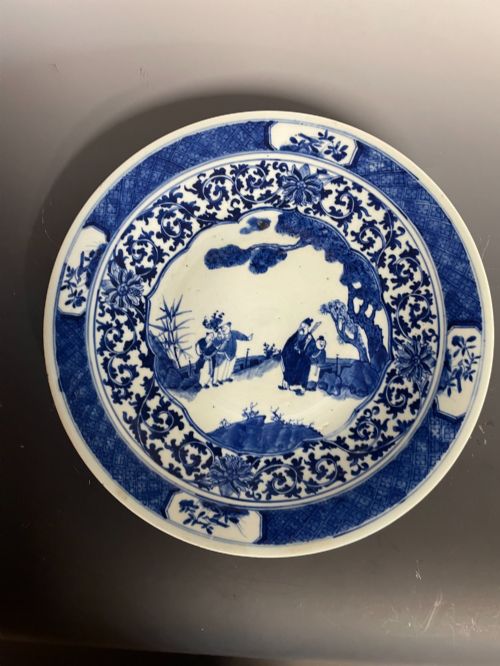
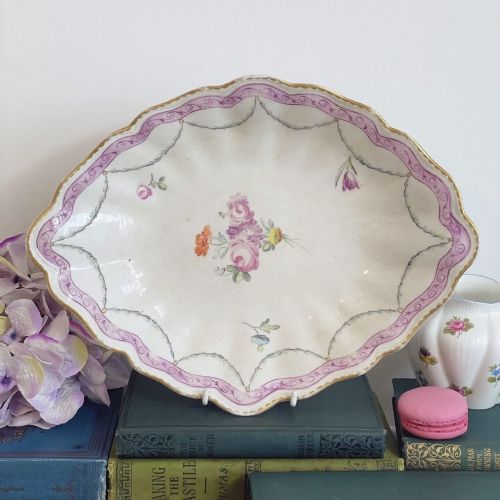
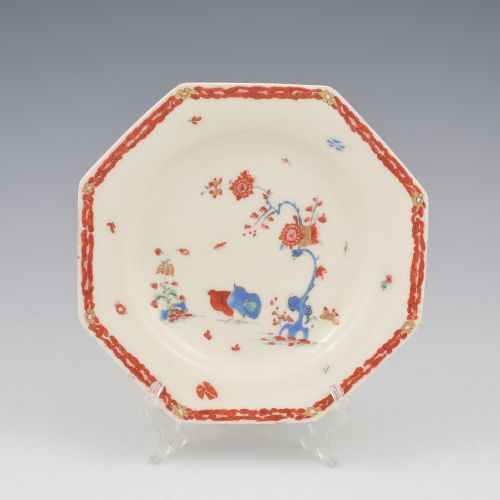
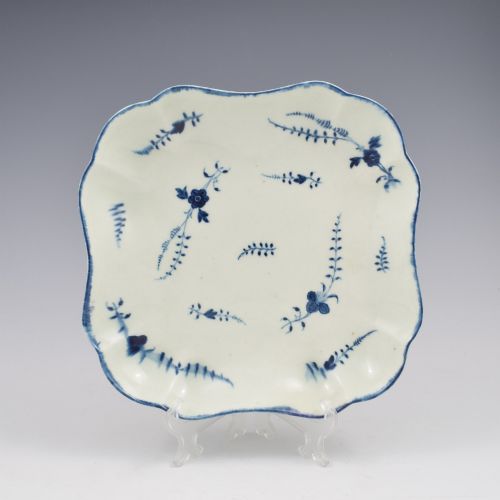
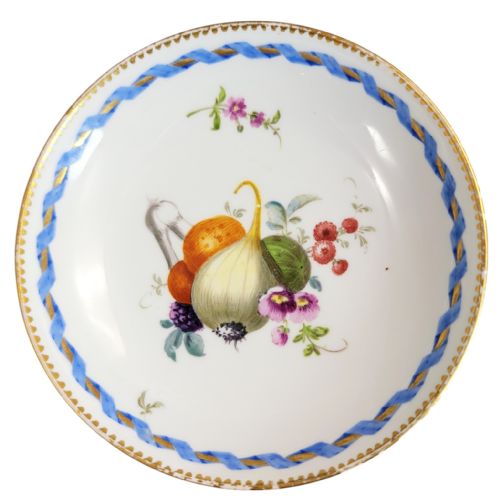


Blue White China Plates
These blue white china plates span centuries of ceramic artistry, offering collectors historic transfer-printed scenes and hand-painted artistry for daily use or display.
Blue White China Plates
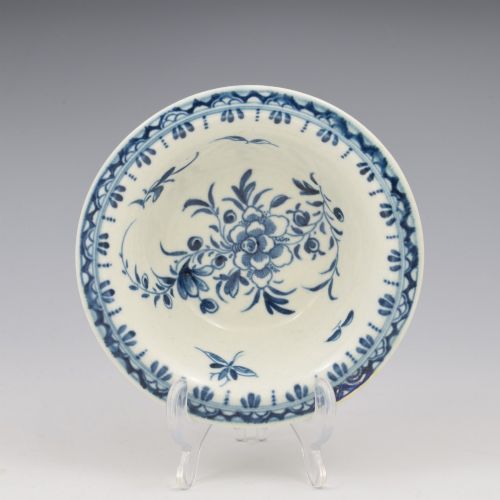
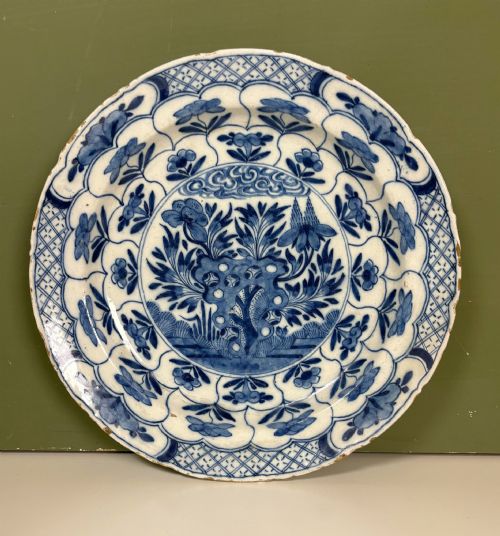
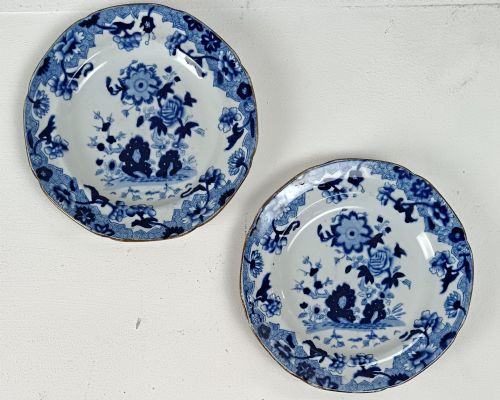
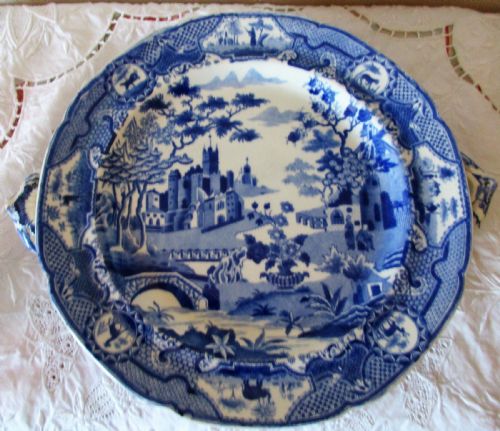
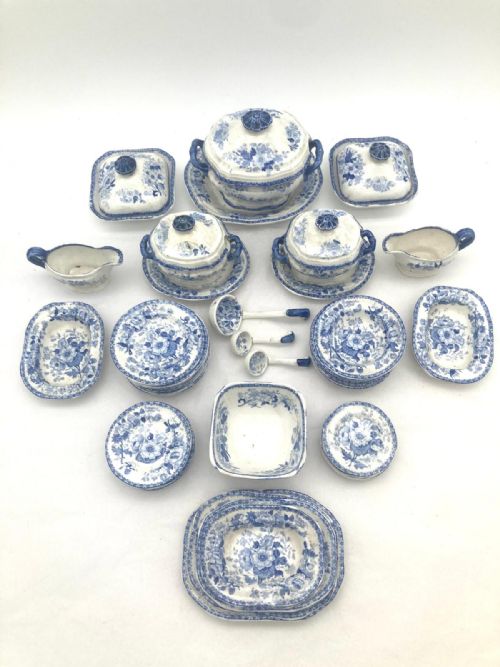
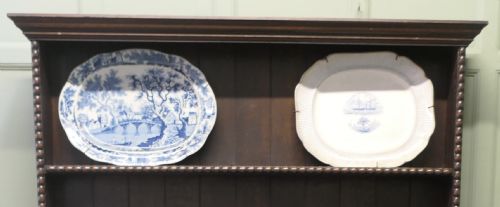
When searching for blue white china plates, buyers encounter a diverse selection ranging from eighteenth-century English delftware and soft-paste porcelain to nineteenth-century ironstone and transfer-printed earthenware. The most common examples on this page are nineteenth-century transfer-printed pottery and serving plates featuring classical landscapes, floral motifs, and architectural scenes.
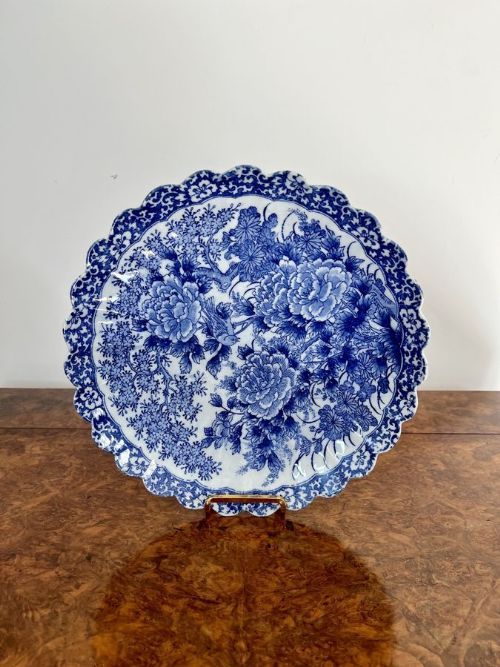
The objects span multiple periods including Georgian and Victorian eras, alongside continental and Asian pieces such as Japanese Imari and Arita wares. Forms include tea plates, dinner services, soup dishes, and large meat platters created for both utilitarian dining and decorative display.
How they were made
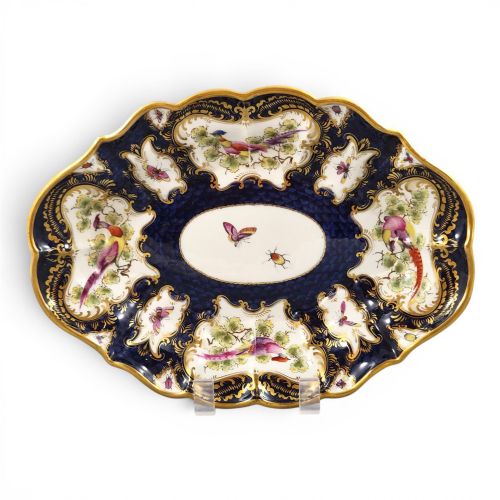
Potters utilised various ceramic bases including porcelain, soft-paste porcelain, pearlware, ironstone, and earthenware, applying cobalt glaze directly or through transfer-printing techniques. Artisans often painted finer details by hand over or under the glaze before high-temperature kiln firing.
Transfer-printing revolutionised production by allowing intricate copperplate engravings, such as Willow patterns or scenic views, to be transferred mechanically onto the clay body prior to glazing.
Look closely for whimsical nineteenth-century patterns named after curious subjects like the Bengal Tiger.
What varies in quality
Quality rests upon the crispness of the transfer print or the brushwork precision on hand-painted items, alongside the purity and smoothness of the ceramic body or glaze. Superior examples maintain clear registration in multi-transfer designs and well-balanced forms without excessive warping from the kiln.
The distinction between standard utility wares and exceptional pieces often involves the complexity of the pattern, the reputation of the pottery or factory, and the survival of vibrant cobalt colour without excessive blurring.
Spode·Minton·Mason s·Wedgwood·Royal Worcester·Meissen
The Blue White China Plates Glossary
- Transfer-printing
- A decoration technique where an engraved copper plate prints an image onto tissue paper, which is then transferred onto the unglazed or bisque ceramic surface.
- Ironstone
- A dense, durable type of feldspathic stoneware patented in the nineteenth century to rival true porcelain.
- Pearlware
- A fine-grained earthenware developed in the late eighteenth century featuring a bluish glaze that pooled in recesses to mimic Chinese export porcelain.
- Soft-paste porcelain
- An artificial porcelain composition fired at lower temperatures than hard-paste, common in eighteenth-century English factories.
- Delftware
- Tin-glazed earthenware produced in England and the Netherlands, typically decorated with blue pigments on a white opaque background.
Blue White China Plates: Frequently Asked Questions
How do I date an old plate?
Dating relies on identifying backstamps, factory marks, glaze characteristics, and the underlying ceramic body such as pearlware or ironstone. Style cues and pattern names also help narrow down the decade of production.
Comparing the manufacturing techniques with documented chronological changes provides a reliable estimate of the piece's age.
Are these plates safe for daily use?
While many antique earthenware and ironstone pieces were designed for functional dining, older glazes can sometimes be sensitive to modern dishwashers and cutlery. Careful hand washing preserves the fragile surface and cobalt decoration.
Collectors often reserve eighteenth-century soft-paste porcelain and delicate delftware for display rather than regular meals.
What is the difference between porcelain and ironstone?
Porcelain is a vitrified ceramic material made from kaolin and petuntse, fired at high temperatures to achieve translucency and a glass-like body. Ironstone is a heavy, opaque earthenware formulated for maximum durability and strength.
Ironstone plates are substantially thicker and heavier than delicate porcelain tablewares.
Why are some patterns printed while others are painted?
Hand-painted decoration required skilled artists and demanded more time, making those pieces more costly to produce. Transfer-printing was developed to mass-produce complex pictorial scenes quickly and uniformly.
Both methods existed side by side throughout the Georgian and Victorian periods depending on the factory and market tier.