



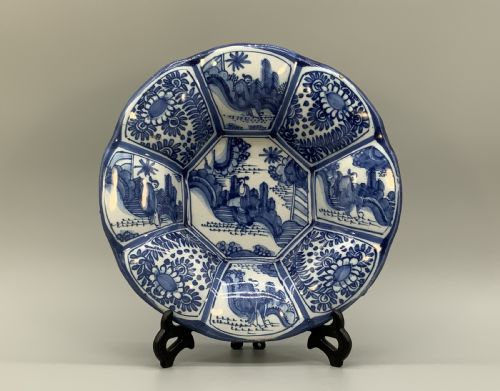
Blue White Charger Dish
A blue white charger dish offers a broad surface for cobalt decoration, originating from centuries of ceramic tradition across Europe and Asia.
Blue White Charger Dish
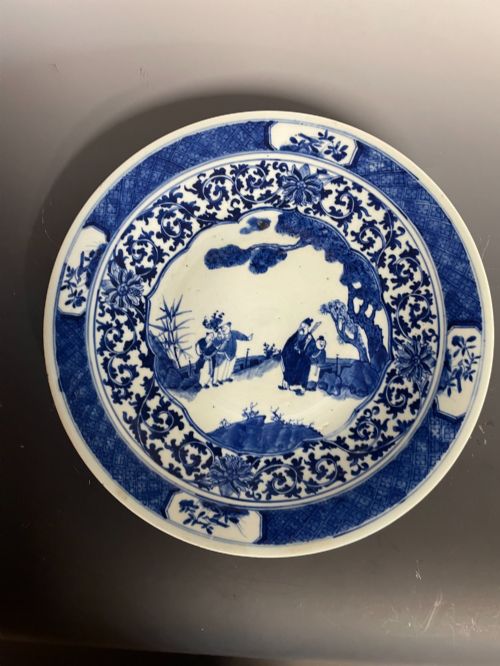
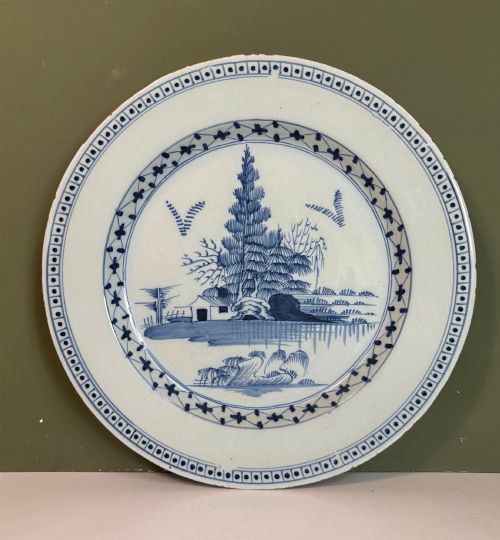
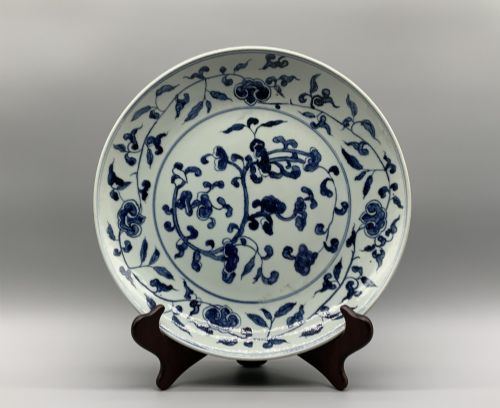
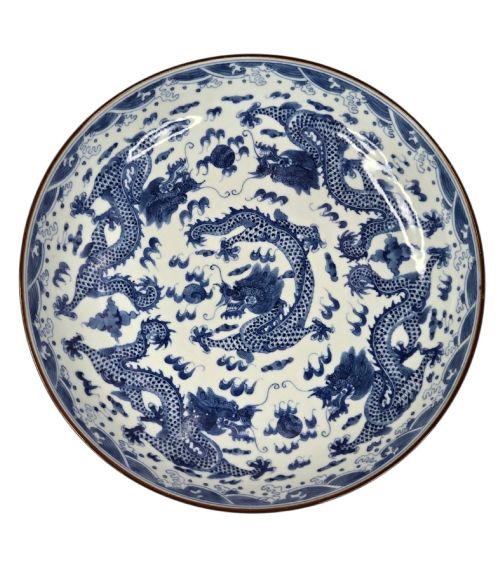
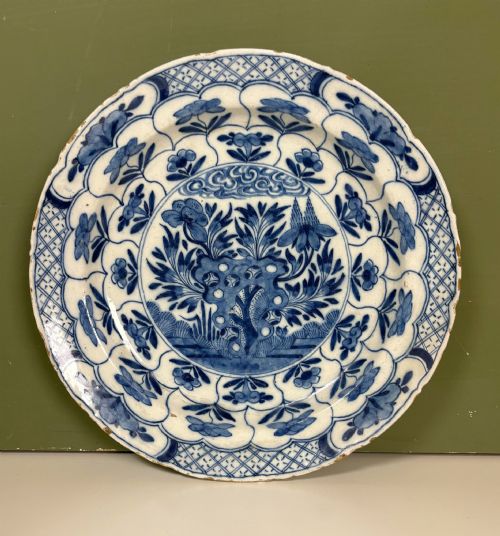
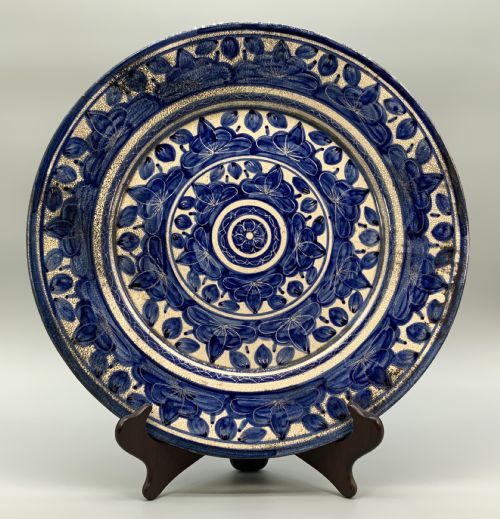
A blue white charger dish stands out for its generous diameter, designed originally for serving food or displaying wealth on a sideboard. These pieces combine utility with expansive fields for painted scenes.
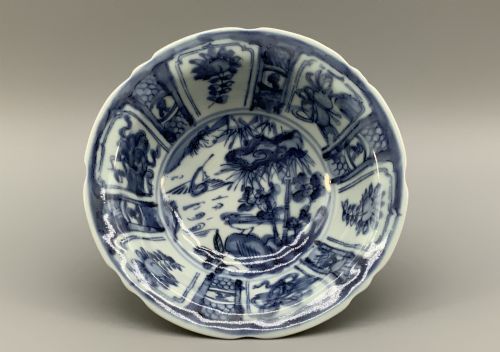
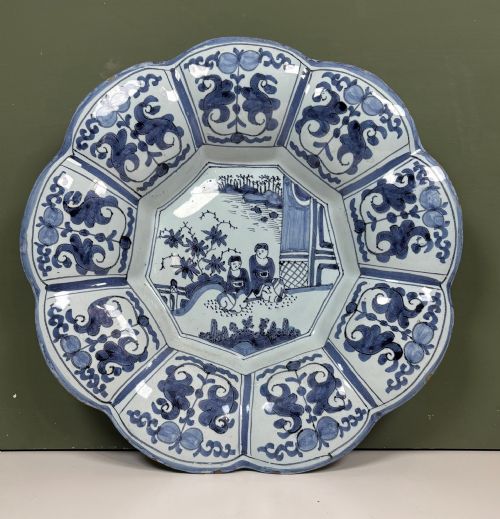
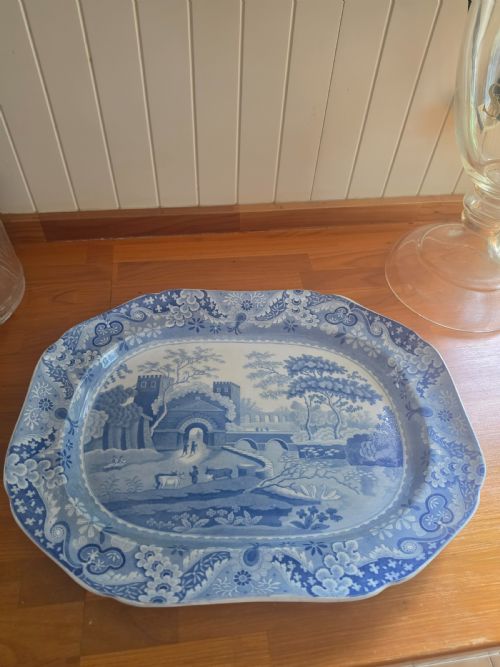
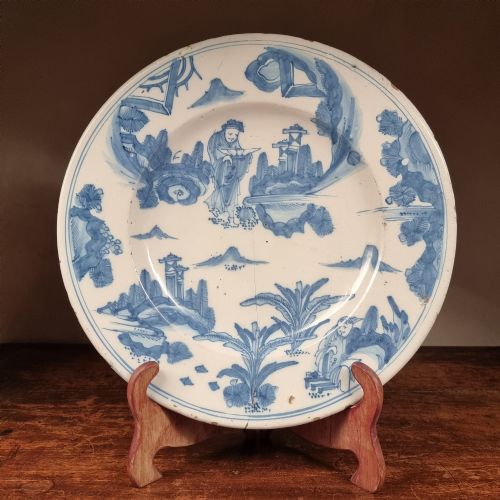
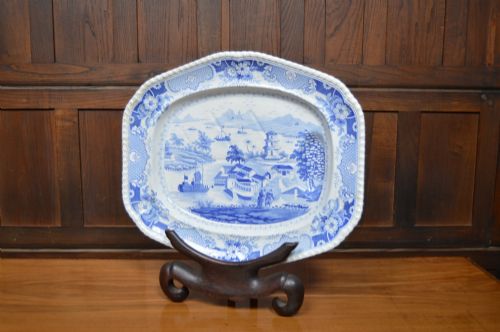
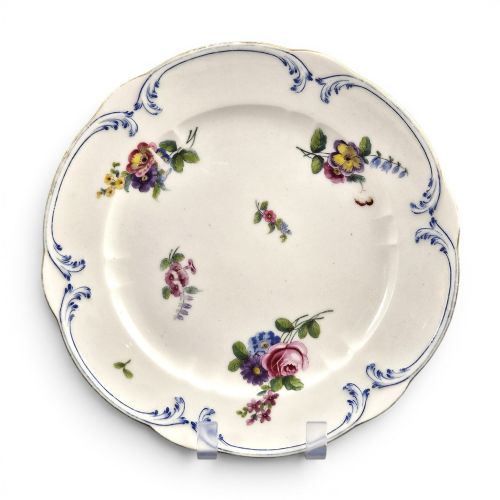
The versions most common here include earthenware delftware from English, Dutch, and continental kilns, alongside porcelain imports from China and Japan. Collectors encounter deep chargers, shallow bowls, and meat platters sharing the characteristic cobalt palette.
Origins span the seventeenth century through to the early twentieth century, reflecting shifting tastes in global trade and domestic pottery production. The forms range from simple round dishes to scalloped plates and lobed bowls.
How they were made
Potters shaped clay bodies from earthenware or porcelain before applying a base glaze containing tin oxide or feldspathic minerals. Cobalt pigment was then painted directly onto the surface, often absorbing into the glaze during high-temperature firing.
Tin-glazed earthenware required a double firing process to set the opaque white surface beneath the painted cobalt motifs and protective clear overglaze. Porcelain pieces achieved their vitrified strength through high kiln temperatures that fused body and glaze into a single dense material.
Several items include specialised barber's bowls with cut-out rims designed for shaving water.
What varies in quality
The crispness of the cobalt painting distinguishes finer examples from ordinary production, with delicate brushwork showing purposeful control rather than hurried strokes. Early pieces often display minor kiln imperfections that reveal the organic nature of traditional firing methods.
The weight and balance of the ceramic body contribute to the distinction between domestic ware and exhibition pieces. Superior execution shows in the harmony between the painted design and the curved contours of the dish.
Ambroise Michel·John Rogers and Son·J.W.R.
The Blue White Charger Dish Glossary
- Delftware
- Tin-glazed earthenware produced in the Netherlands and England, recognisable by an opaque white glaze painted with cobalt blue designs. This technique developed as European kilns attempted to replicate the appearance of imported Chinese porcelain.
- Imari
- Japanese porcelain decorated in underglaze blue and overglaze iron red and gold, originating from the town of Arita. These pieces gained immense popularity in European households during the seventeenth and eighteenth centuries.
- Charger
- A large decorative plate or shallow basin intended for formal dining tables or wall display. They measure substantially wider than standard dinner plates.
- Cobalt Pigment
- A metallic oxide used to achieve deep blue coloration on ceramics that withstands high kiln temperatures without fading. It forms the foundation of the blue and white aesthetic across multiple continents.
- Tin Glaze
- An enamel coating rendered opaque by the addition of tin oxide, creating a smooth white ground for painted decoration. This finish is characteristic of European earthenware before the widespread adoption of porcelain.
Blue White Charger Dish: Frequently Asked Questions
How were charger dishes used?
These large vessels served multiple functions in historical domestic spaces, acting as central platters for joint meats at banquets or standing upright on sideboards for display.
In many households, they functioned as status symbols rather than everyday tableware, protecting fine wooden surfaces while showcasing intricate cobalt scenes.
How do I care for antique pottery?
Gentle dusting with a dry cloth is sufficient for routine maintenance, avoiding harsh cleaning agents that might harm historical glazes.
Display these pieces away from areas prone to sudden temperature changes or physical impacts to preserve the ceramic body.
What is Chinese export porcelain?
Chinese export porcelain refers to wares manufactured in China specifically for European and American markets during the Qing dynasty and earlier periods. These items combined traditional Eastern manufacturing techniques with shapes and motifs tailored to Western preferences.
Such pieces travelled vast trade routes, establishing the foundation for global ceramic exchange.