
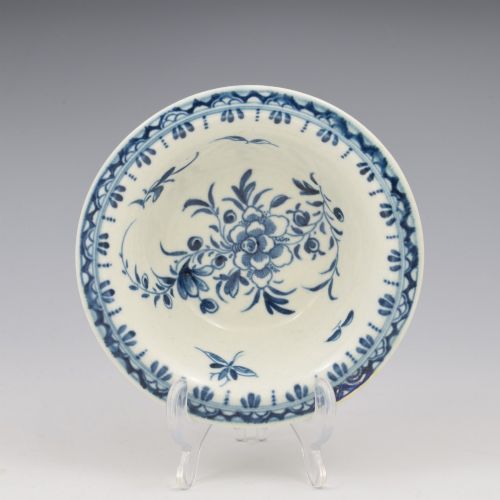
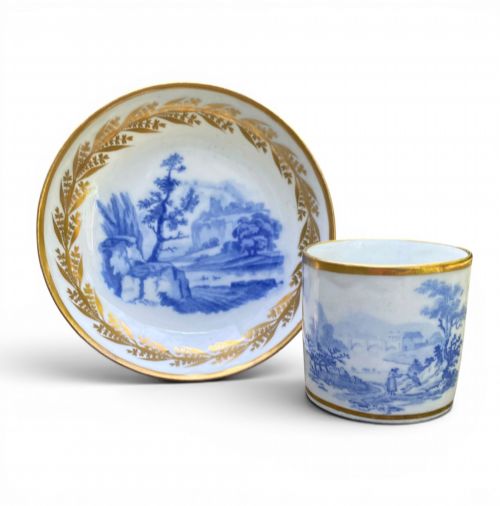
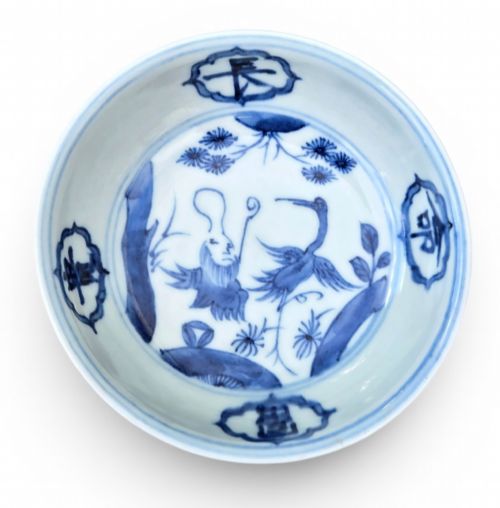
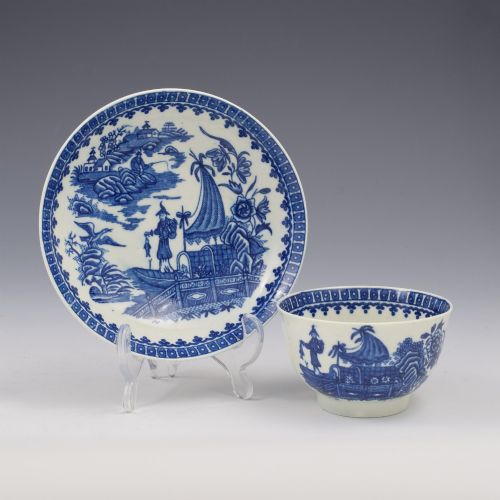
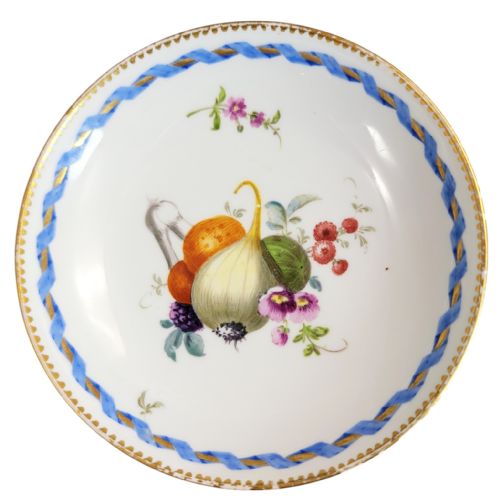


Blue White Ceramic Saucer
A blue white ceramic saucer brings centuries of cobalt painting and porcelain craft straight to the tea table.
Blue White Ceramic Saucer
When you search for a blue white ceramic saucer, you encounter small porcelain dishes designed to accompany tea bowls, cups, and larger tea services. These pieces range from eighteenth-century English soft-paste examples to earlier Chinese export wares and nineteenth-century Japanese exports.
The pieces on this page span the seventeenth through the early twentieth centuries, covering Georgian, Regency, and Edwardian periods alongside Ming and Meiji inspirations. English factories like Worcester, New Hall, and Lowestoft sit alongside continental Meissen and Asian porcelain traditions.
Most items appear as single saucers, matched tea bowls and saucers, or components of larger tea sets. They display forms varying from shallow tea dishes to deep saucer-dishes and wine cups.
Materials and methods
Potters built these pieces using hard-paste or soft-paste porcelain body mixes, shaped by throwing on the wheel or pressing into moulds. The resulting white ceramic bodies provide a smooth foundation for decorative work.
Makers applied cobalt blue pigment directly onto the unfired body or under the glaze, utilising cobalt blue underglaze and cobalt glaze techniques. Firing at high temperatures fixed the cobalt beneath a transparent glossy coat, occasionally supplemented by overglaze enamel or gilding.
Listings feature porcelain pieces spanning the seventeenth to the early twentieth centuries, incorporating both hard-paste and soft-paste bodies.
Assessing quality
Quality rests upon the crispness of the cobalt brushwork and the purity of the porcelain body. Finer examples show controlled, hand-painted detail in motifs like floral sprays, birds, and landscapes, rather than hurried or blurred lines.
The physical weight, potting uniformity, and glaze smoothness distinguish finer output from standard domestic wares. Pieces that maintain a clean white ground without excessive kiln specking or warping demonstrate superior factory standards.
New Hall porcelain·Meissen Marcolini·Coalport·Minton
The Blue White Ceramic Saucer Glossary
- Soft-paste porcelain
- A ceramic composition made from white clay, glass, and ground minerals fired at lower temperatures than hard-paste. It creates a warm, creamy body common in eighteenth-century English factories.
- Cobalt blue underglaze
- A decoration method where the cobalt pigment is applied to the raw or bisque ceramic before the glaze is added. This protects the blue design beneath the glassy surface during firing.
- Tea bowl
- A handleless drinking vessel used alongside a saucer in early tea service traditions. They frequently appear paired with matching saucers from the same kiln.
- Chinoiserie
- European artistic styles reflecting Chinese motifs and decorative themes. Potters utilised these imaginative Eastern-inspired landscapes and figures on tea wares.
- Gilding
- The application of gold leaf or powdered gold to ceramic surfaces for highlights and borders. It appears on various Georgian and later tea service components.
Blue White Ceramic Saucer: Frequently Asked Questions
What are these saucers used for?
These saucers served primarily alongside tea bowls and cups in historic tea drinking rituals. In earlier centuries, drinkers poured hot tea from the bowl into the saucer to cool before sipping.
Today, collectors use them as decorative cabinet pieces, small display dishes, or functional items for serving afternoon tea.
How do I tell eighteenth-century pieces apart?
Distinguishing eighteenth-century pieces involves examining the porcelain body, glaze characteristics, and underglaze blue tones. Soft-paste porcelain feels warmer and shows distinctive translucency when held to the light.
Factory patterns, hand-painted brushwork quirks, and early blue worker marks further help separate English makers like Worcester and Lowestoft from continental and Asian wares.
How do I care for antique porcelain?
Antique porcelain requires gentle hand washing in warm water using mild soap. Avoid dishwashers, harsh scrubbers, and sudden temperature shifts that can stress the historic ceramic body.
Store pieces securely on stable surfaces or within enclosed display cabinets away from heavy foot traffic to protect the glaze and any delicate gilding.
Why do some saucers lack handles?
Early tea service customs followed Asian drinking vessels where tea bowls were held directly in the hands without handles. Saucers were made to match these handleless bowls.
As European tea drinking habits evolved toward handled cups and teacups during the nineteenth century, saucer shapes and depths adapted accordingly.