



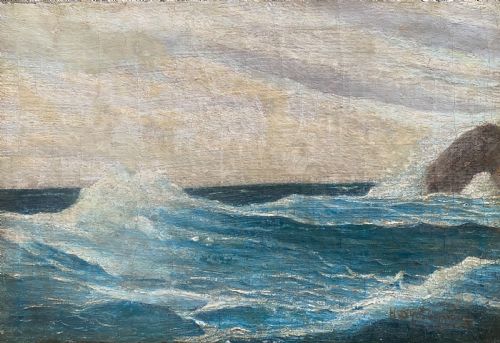
Blue Seascape Canvas
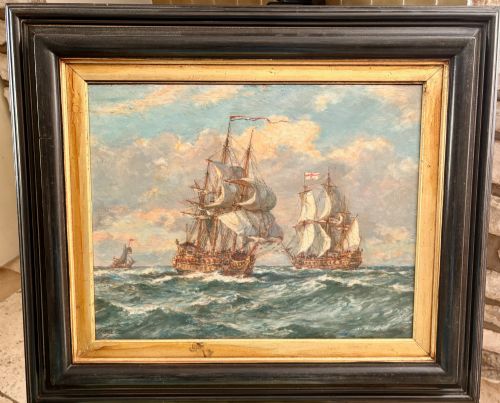
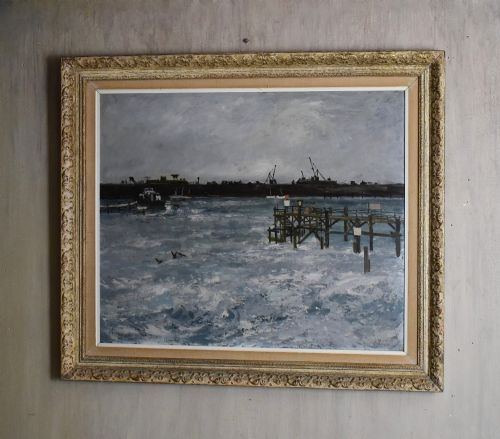
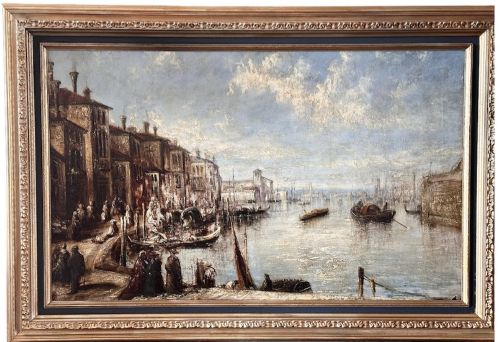
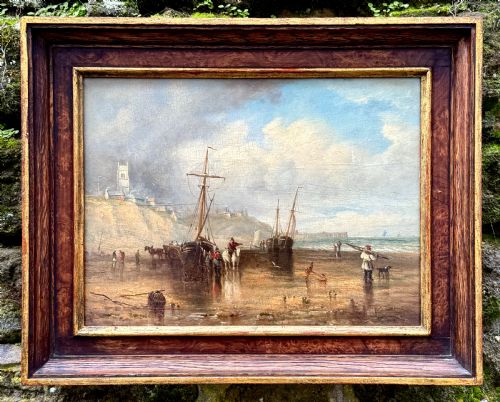
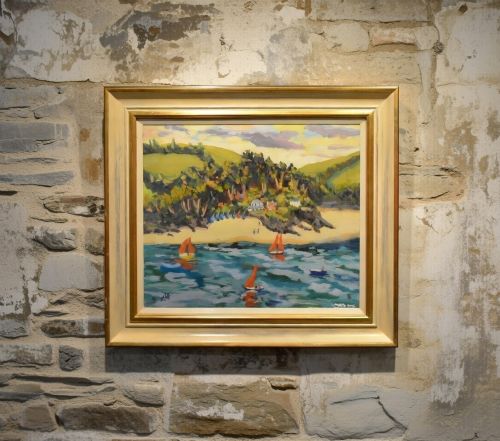
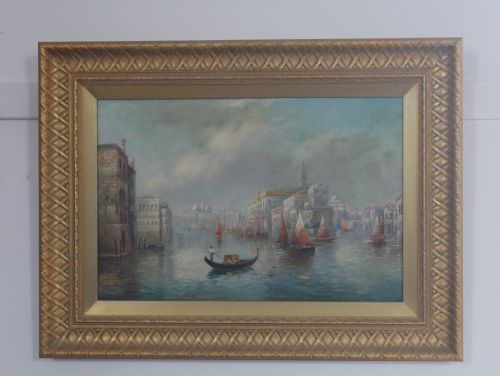
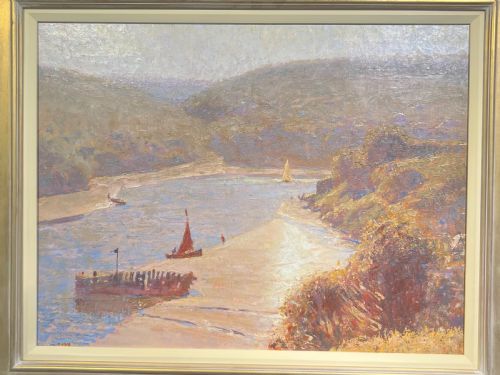
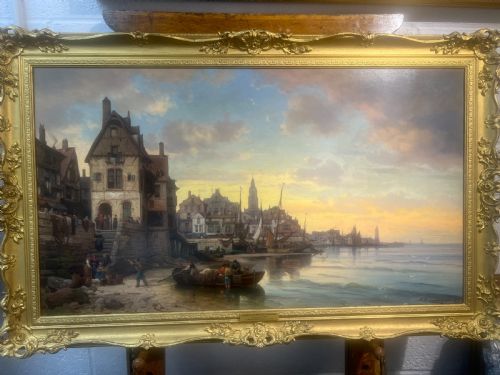
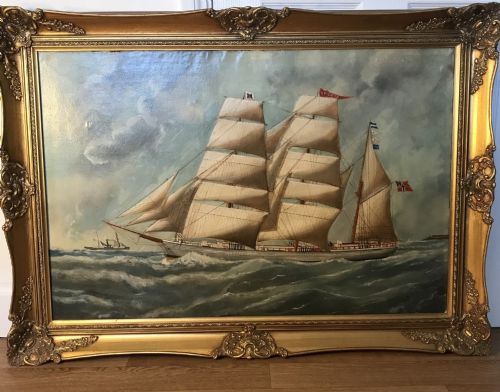
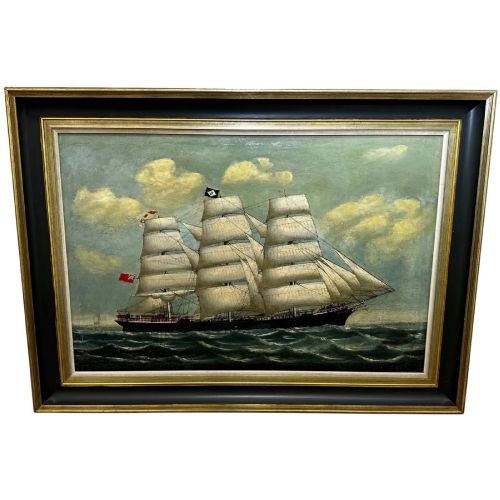
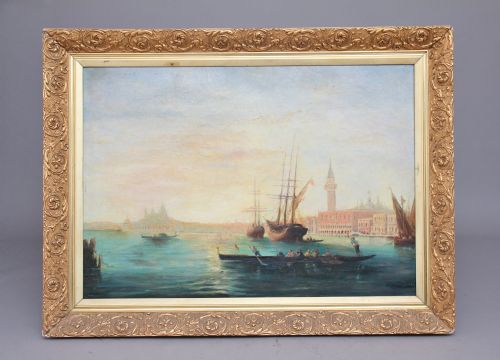
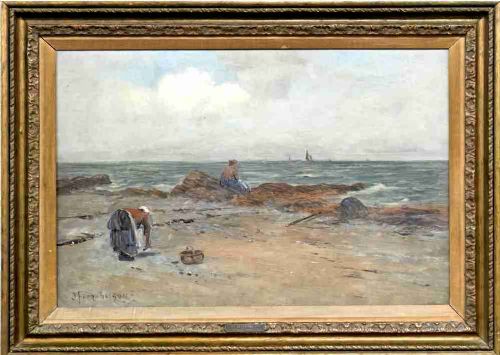
When you search for a blue seascape canvas, you are looking at oil paintings on woven fabric that capture the open sea, coastal harbours and historic shipping.
Blue Seascape Canvas
A blue seascape canvas brings together maritime history, coastal landscape and open water rendered in oil paint upon woven fabric. The works range across the nineteenth and twentieth centuries, spanning periods from Victorian maritime art to mid-century impressionism and modernism.
The subjects on this page are diverse, covering British and European coastlines, Venetian lagoons, bustling harbours and tall ships under sail. Buyers will encounter oval formats, traditional framed canvases, and works attributed to regional schools such as St Ives.
Most pieces date from the Victorian era through the mid-twentieth century, offering a record of changing artistic approaches to light, water and weather. These works function primarily as wall art, capturing the movement of tides and the mood of the sea.
Materials and technique
Artists built these paintings using oil paint applied to woven canvas supports, sometimes working with impasto techniques to create texture in the water and sky. The pigments were manipulated with brushes and palette knives to capture the play of light on coastal waves and harbour surfaces.
Frames play a significant part in the physical composition, with many pieces housed in gilded wood or carved wooden frames that complement the maritime subject matter. The combination of oil paint and stretched canvas has allowed these coastal scenes to endure across centuries.
Listings feature canvases spanning from the mid-eighteenth century through the 1960s, executed in oil paint upon wooden stretchers.
What separates the fine examples
Quality in a blue seascape canvas lies in the artist's handling of light, atmospheric depth and the movement of water. Superior works convey the palpable weight of the sea and the precise rigging of vessels through confident brushwork rather than flat illustration.
The integration of the wooden or gilded frame with the canvas also distinguishes finer pieces, alongside the documented provenance of the painter. Works by established marine artists command attention through their compositional balance and historical accuracy.
Bernard Gribble·Peter Brannan·Francis Moltino·Thomas Creswick·Joseph Farquharson·William Henry Williamson·Edward Seago
The Blue Seascape Canvas Glossary
- Impasto
- Paint applied thickly to a canvas, leaving visible brush or palette knife strokes that stand proud of the surface. This technique adds tactile dimension to representations of rough water and stormy skies.
- Maritime Realism
- An artistic style focused on accurate depictions of ships, coastal views and the sea. It requires precise attention to nautical architecture and marine conditions.
- Post-Impressionism
- A French art movement that extended Impressionism while rejecting its limitations, favouring expressive brushwork and vivid colour. Works in this style often use bolder hues to interpret coastal light.
- Gilded Wood
- Wood covered with a thin layer of gold leaf or gold paint, frequently used for traditional picture frames. It provides a warm border that enhances the tones of an oil painting.
Blue Seascape Canvas: Frequently Asked Questions
How do I date a blue seascape canvas?
Dating relies on stylistic clues, framing methods, stretcher construction and artist signatures recorded on the canvas or verso. Maritime subjects often provide historical markers through the type of vessel depicted.
Twentieth-century works show different canvas preparations and pigment characteristics compared to nineteenth-century examples. Examining the frame and any exhibition labels helps narrow the date of creation.
Where should I hang a seascape painting?
These works suit spaces with stable humidity and indirect natural light to protect the oil paint and canvas. Placing them away from direct heat sources prevents warping of the wooden stretcher.
Matching the frame finish to surrounding interior woodwork helps integrate the painting into a room. Larger canvases require sturdy wall fixings to support the weight of the framed fabric.
What is the difference between maritime and marine art?
Maritime art traditionally encompasses human interaction with the sea, including shipping, naval battles, harbours and fishing boats. It places emphasis on the vessels and human endeavour.
Marine art can lean more towards the natural environment, focusing on the water, waves, weather and coastline itself. Many canvases on this page overlap both definitions.
How do I care for an oil painting on canvas?
Maintenance involves keeping the surface free of dust using a soft, dry brush without applying pressure to the canvas. Avoid using water or chemical cleaners on the paint layer.
Keeping the canvas away from extreme temperature fluctuations prevents the paint from cracking. Professional conservators should handle any cleaning or varnish removal.