




English Marine Painting
English marine painting captures the maritime heritage of the coast through historical watercolours and oils.
English Marine Painting
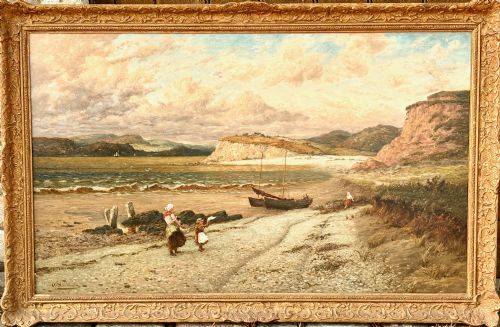
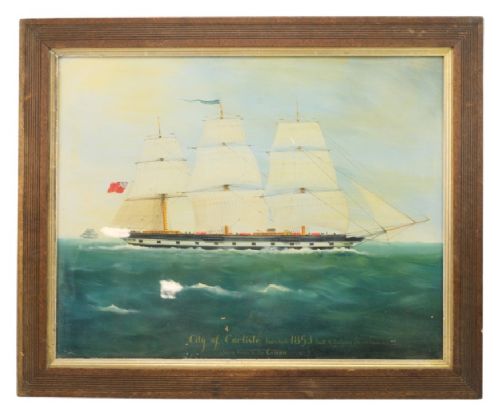
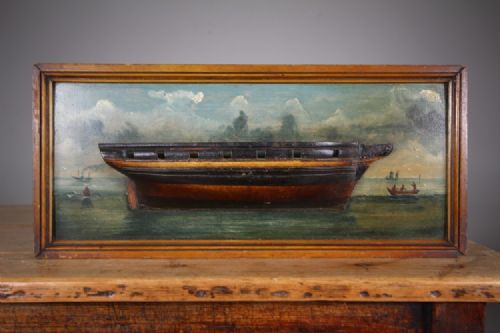
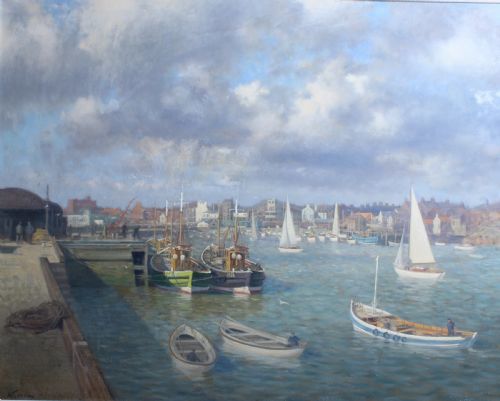
When exploring english marine painting, buyers encounter works depicting coastal scenes, bustling harbours, and maritime shipping from the nineteenth and early twentieth centuries. These pieces record the changing face of British ports, fishing fleets, and naval subjects through the eyes of period artists.
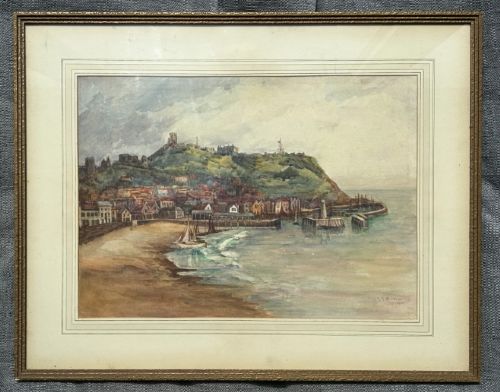
The selection ranges from detailed watercolours of Yorkshire fishing villages to substantial oil paintings on canvas depicting choppy seas and coastal craft. Most examples date from the Victorian and Edwardian eras, reflecting a period of intense maritime activity and artistic interest in the sea.
How they were made
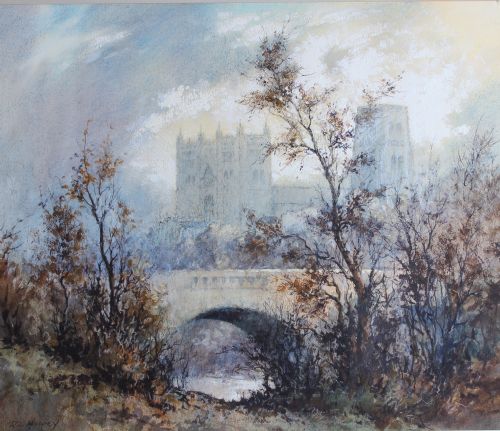
Artists working in this genre utilised traditional oil paints on canvas, wood, or board to capture the heavy textures of coastal weather and rough water. Others preferred watercolour pigment applied to paper, allowing for rapid execution and subtle washes of light over coastal skies.
Many of these works are housed within their original giltwood or moulded frames, which complement the tonal qualities of the paintings. The integration of medium and support reflects the prevalent academic and plein air techniques of the nineteenth and twentieth centuries.
Listings feature works from the eighteenth to the mid-twentieth century, executed in oil and watercolour on canvas, paper, and wood.
What varies in quality
Quality in these works is defined by the artist's ability to render atmosphere, light, and movement, particularly in difficult subjects like churning seas and crowded harbours. Stronger pieces demonstrate a confident handling of pigment and a convincing sense of scale within the composition.
The preservation of the paper or canvas also influences the standing of a piece, with well-maintained surfaces retaining their original colour vibrancy and detail. Creator attribution and documented harbour locations often distinguish accomplished works from more generic school paintings.
James Orrock·William Banks Fortescue·Robert Leslie Howey·Walter Goodin·F A Roylance·Alfred George Morgan·John Bedloe Goddard·William Edward Webb·Charles Napier Hemy·Richard Harry Carter·James Fry·Fred Lawson·George Hamilton Constantine·John Bell·Frederick William Hattersley·Frederick William Booty·Charles Harmony Harrison·William Wyld·Alfred Henry Vickers·Alfred Robert Quinton·Percy Brooke·Thomas Bush Hardy·Joseph Newington Carter·Lennard Lewis·Frank Rousse
The English Marine Painting Glossary
- Watercolour
- A painting method where fine pigment is suspended in a water-based solution, typically applied to paper surfaces. It allows for transparent washes and delicate atmospheric effects.
- Giltwood
- Wood carved and coated with a thin layer of gold leaf, commonly used for period picture frames. This finish adds a reflective border that enhances the tones of the artwork.
- Impasto
- Paint applied thickly to a canvas or board, leaving visible brush or palette knife strokes. This technique adds tactile depth and texture to depictions of rough seas and clouds.
- Seascape
- A work of art depicting the sea, coastal views, ships, or marine subjects. It forms the primary category for maritime paintings.
English Marine Painting: Frequently Asked Questions
What subjects do english marine paintings show?
These works typically feature coastal harbours, fishing boats, merchant shipping, and dramatic seascapes around the British Isles. Many pieces document specific ports and towns during the nineteenth and early twentieth centuries.
Artists frequently recorded working vessels, tidal estuaries, and the daily routines of coastal communities. The focus rests heavily on the interaction between human maritime endeavours and the changing coastal environment.
How do I date an antique marine painting?
Dating relies on stylistic clues, artist signatures, framing materials, and the types of vessels depicted in the composition. Historical details such as clothing styles or harbour structures often provide a reliable timeframe.
Many listings include documented active dates for the artist or specific exhibition years. Examining the reverse of the canvas or paper can also reveal period inscriptions or labels.
Where were these maritime scenes usually painted?
Painters travelled to active fishing ports and coastal retreats around Britain, including Cornwall, Yorkshire, Dorset, and East Anglia. St Ives, Whitby, and Scarborough were particularly popular locations for artists seeking picturesque harbour views.
Some works were executed outdoors on the spot, while others were developed in studio spaces from preliminary sketches. Local shipping traffic and regional architecture give each location a distinct visual character.
How should I display a vintage watercolour?
Watercolours require protection from direct sunlight to prevent the pigments and paper from fading over time. Displaying them in rooms with stable humidity levels helps preserve the paper support.
Framing behind conservation-grade glass further shields the work from environmental damage. Regular inspection ensures the mount and backing materials remain free from acidic degradation.