


Vintage Sailing Boat Art
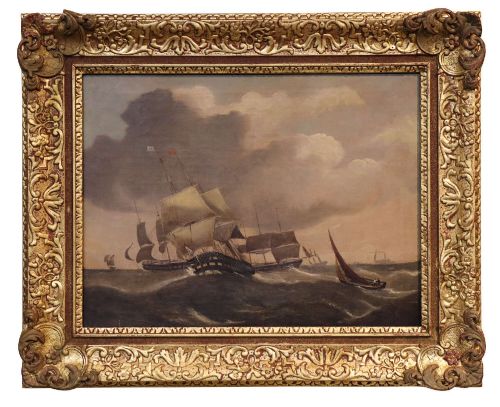
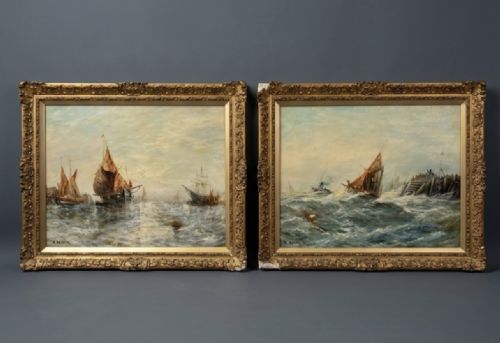
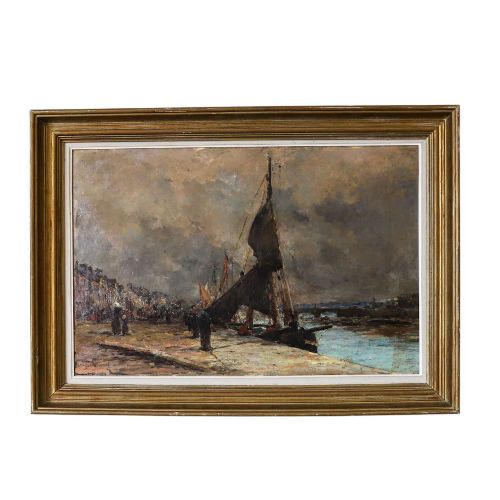
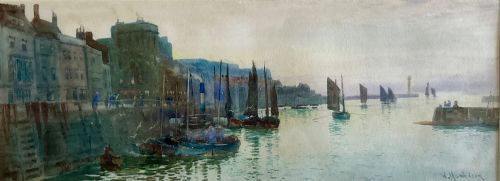
Vintage sailing boat art captures maritime history through oil paintings, watercolours, and diorama models spanning the nineteenth and twentieth centuries.
Vintage Sailing Boat Art
Vintage sailing boat art spans oil paintings, watercolours, and dimensional dioramas depicting marine life, coastal harbours, and open sea voyages. These pieces originate across the nineteenth and twentieth centuries, reflecting changing maritime trades and leisure sailing.
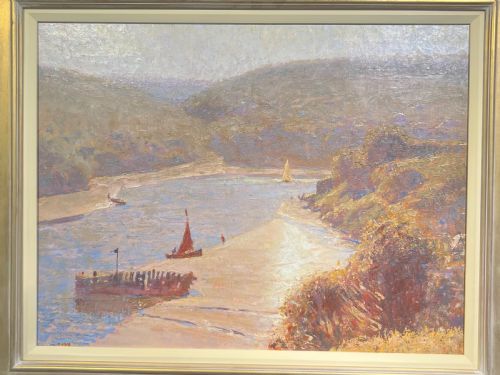
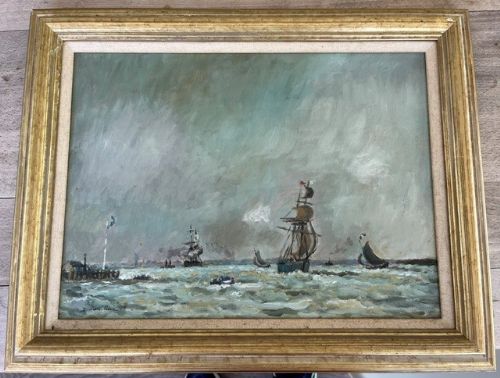
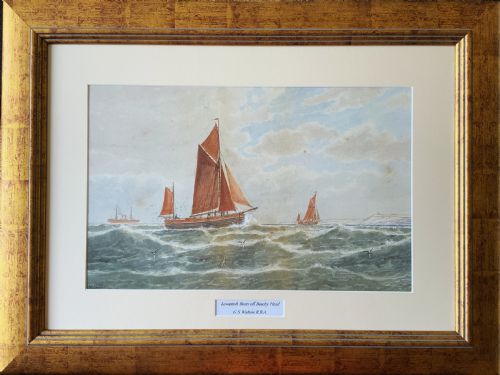
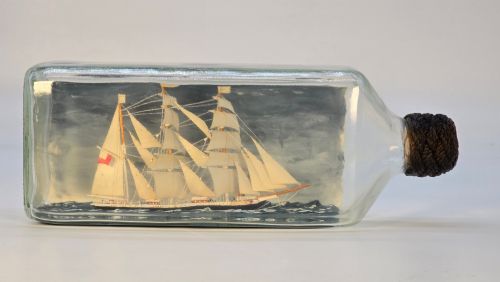
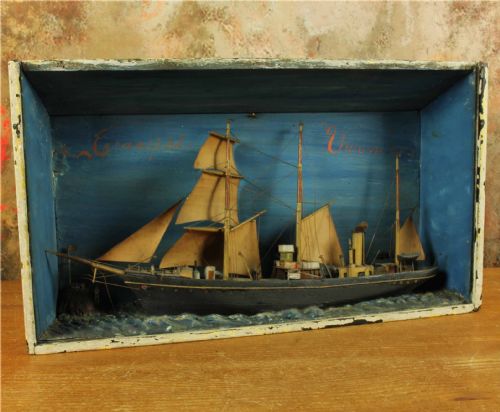
The most common representations on this page include oil on canvas paintings and framed watercolours produced during the Victorian and Edwardian periods. Buyers also encounter three-dimensional ship models housed inside glass bottles or wooden boxes.
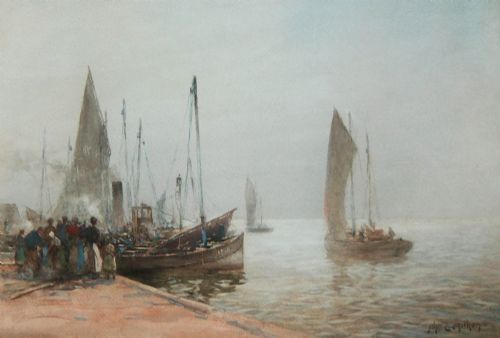
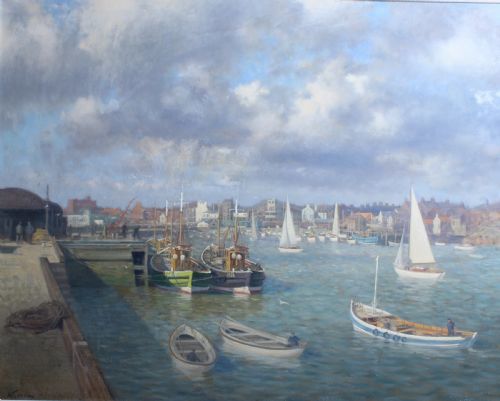
Subjects range from stormy coastal waters with fishing boats to calm evening departures in ports such as Whitby and the Dutch coast. Artists capture both commercial vessels and elegant yachts under various weather conditions.
Materials and construction techniques
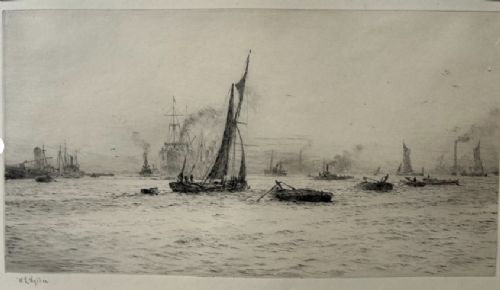
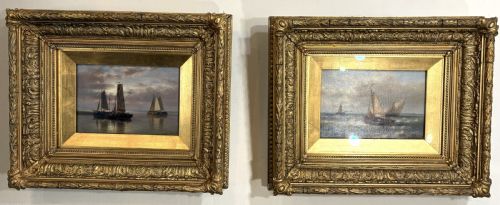
Painters utilised oil paint and watercolour on canvas, board, paper, or card, frequently mounting finished works within gilt wood frames. Etchings and fine art prints provide additional graphic interpretations of river and ocean scenes.
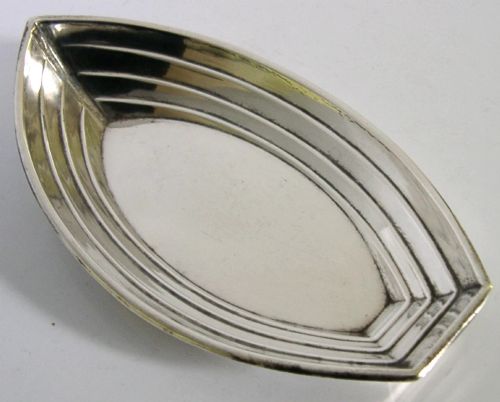
Dioramas and model ships require detailed woodworking and glasswork, enclosing miniature sailing vessels inside glass bottles or fitted wooden boxes. Sterling silver serves as a sculptural medium for novelty dishes shaped like rowing boats.
Listings feature works spanning the 19th century through the 1960s, executed in oil, watercolour, and carved wood.
Elements that determine quality
Technical proficiency in handling light, water movement, and atmospheric conditions distinguishes accomplished marine paintings from standard school works. The precision of rigging and hull construction defines the merit of enclosed ship dioramas.
Signed works by documented artists carry distinct attribution value compared to unsigned pieces from the British or French school. The integrity of original gilt frames and the preservation of paper or canvas surfaces influence overall desirability.
James E Aitken·William Lionel Wyllie·Cecil Allan Mould·George Stanfield Walters·Abraham Hulk I·Thomas Bush Hardy·Edward Henry Eugene Fletcher·Edward Seago·Stephen J Renard·Frank H Mason
The Vintage Sailing Boat Art Glossary
- Diorama
- A three-dimensional scene enclosed in a display case or bottle. These displays recreate historical sailing ships using carved wood and rigged thread.
- Gilt wood
- Wood coated with a thin layer of gold leaf or gold paint. Frames finished in this manner frequently accompany nineteenth-century oil paintings.
- Etching
- An intaglio printmaking method where acid cuts lines into a metal plate. Artists use this technique to produce detailed monochrome maritime prints.
- Impasto
- Paint applied thickly to a canvas, standing out from the surface. This technique gives texture to turbulent seas and clouds in marine oil paintings.
Vintage Sailing Boat Art: Frequently Asked Questions
What periods do these pieces date from?
The works span the nineteenth century through the mid-twentieth century, encompassing Victorian, Edwardian, and later modernist interpretations of maritime subjects.
Dates are established through artist lifespans, stylistic markers, and period framing materials.
How were ship dioramas constructed?
Craftsmen built miniature sailing vessels with collapsible masts to fit them through narrow bottle necks before pulling rigging lines into place.
Box dioramas similarly assemble carved wooden hulls and painted backdrops to create realistic depth.
Where should marine paintings be hung?
These artworks suit studies, living rooms, and hallways with controlled ambient lighting to protect watercolours and canvases from direct sunlight.
Matching the gilt or wooden frame tone to existing interior woodwork helps integrate the piece into a room.
How do I identify a watercolour from an oil painting?
Watercolours utilise water-soluble pigments on paper or card, typically displayed behind protective glass to prevent moisture damage.
Oil paintings feature heavier pigment applied to canvas or board, presenting a textured surface that does not require glass.