



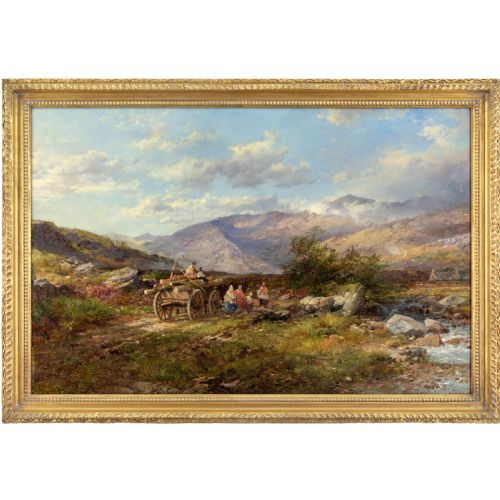
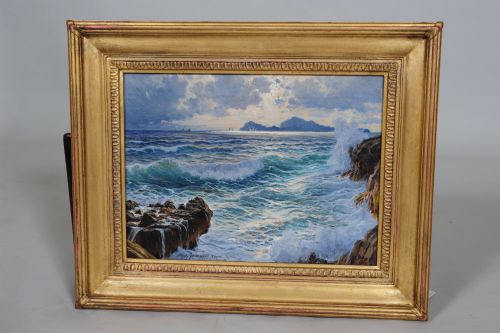
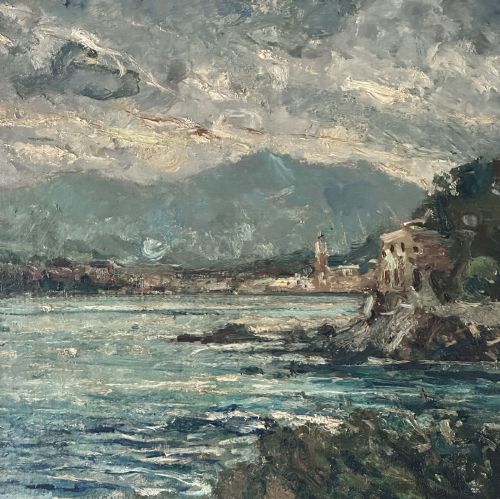
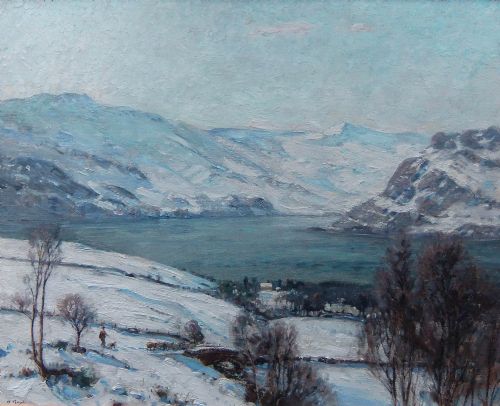
Blue Landscape Oil Painting
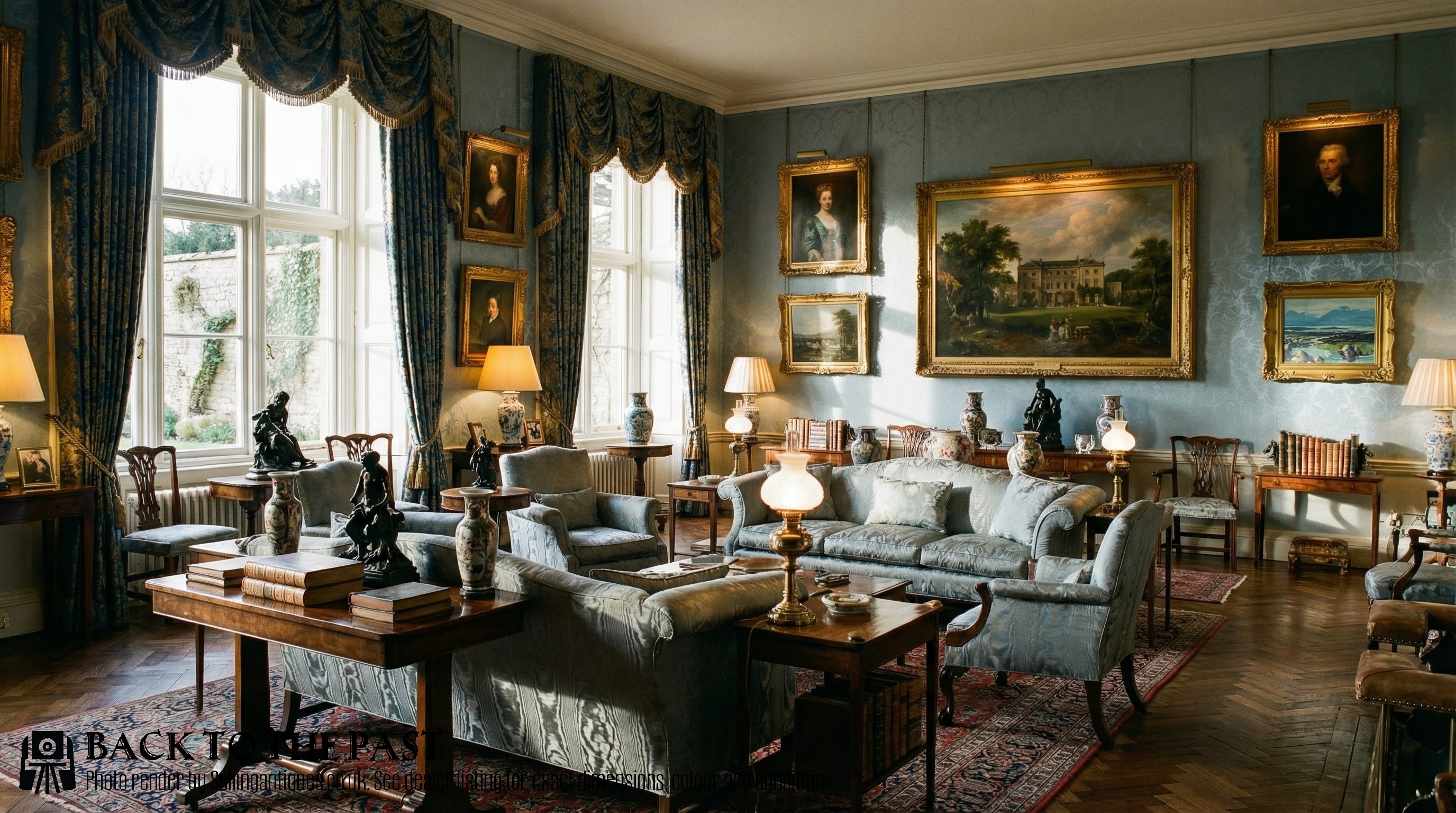
A blue landscape oil painting captures light and water across centuries, offering depth and mood to a room.
Blue Landscape Oil Painting
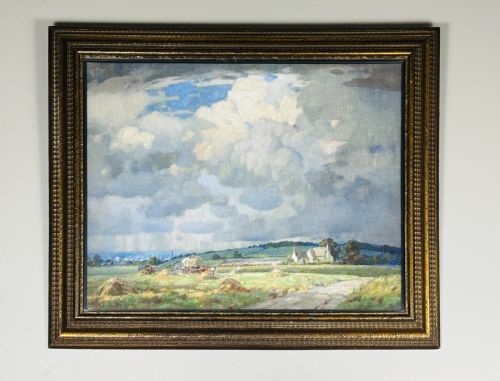
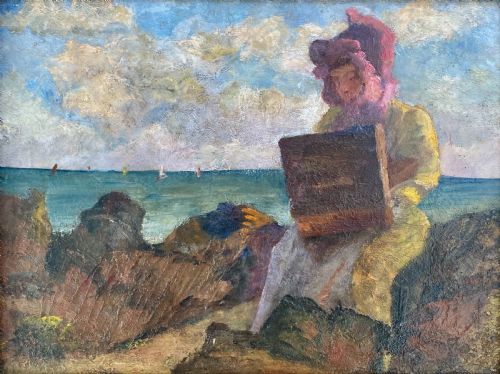
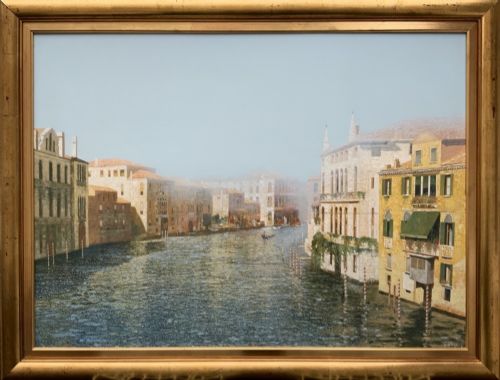
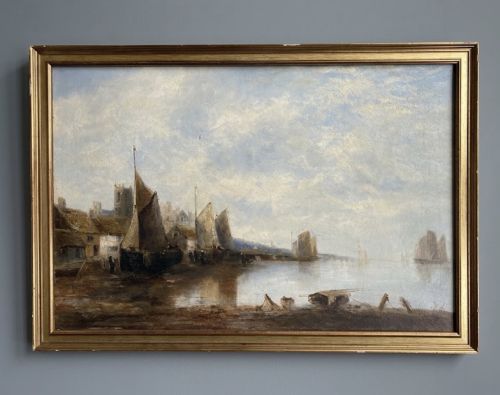
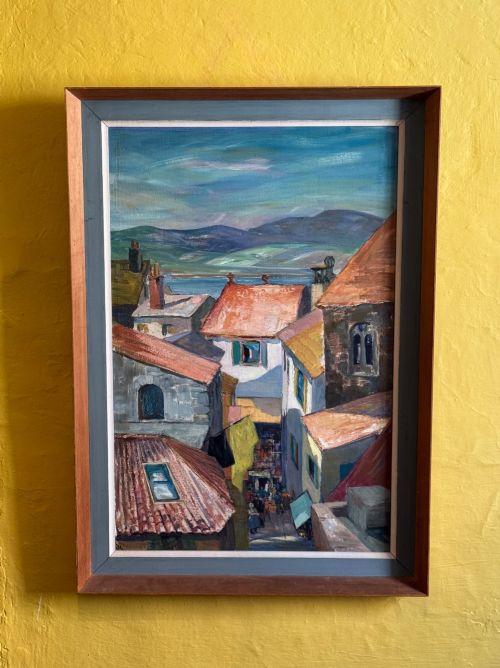
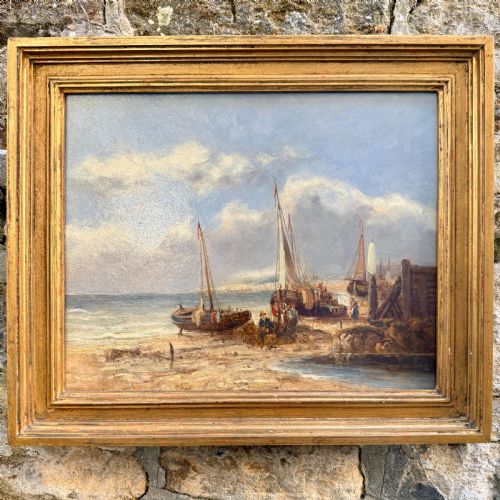
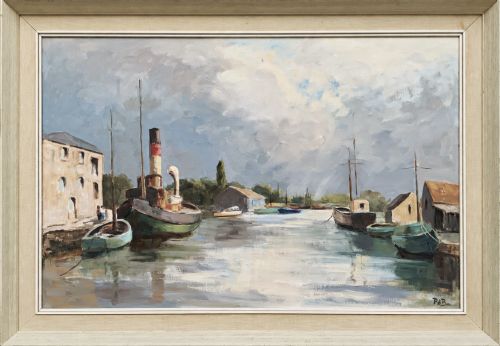
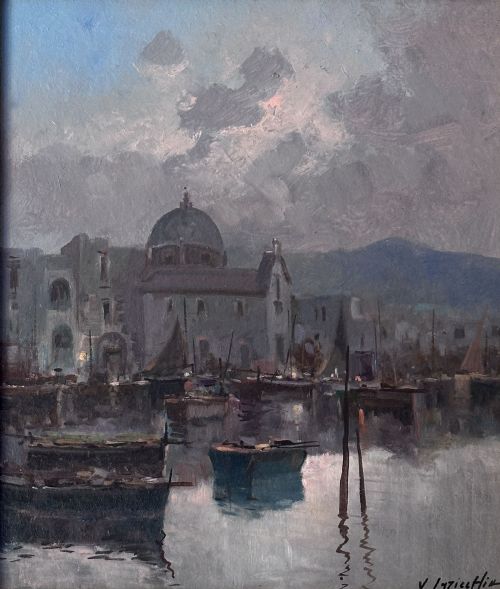
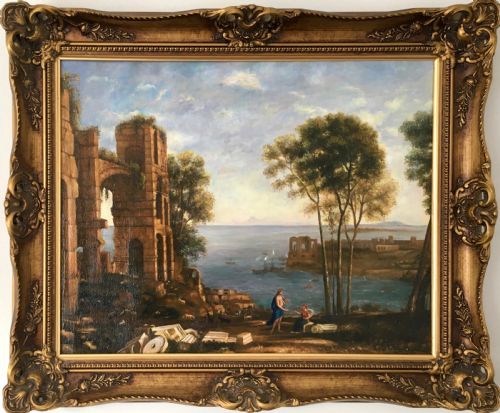
A blue landscape oil painting encompasses coastal views, Venetian waterways, and serene river scenes rendered in oils. These works span from the nineteenth century through the mid-twentieth century, capturing shifting atmospheric conditions.
Buyers encounter works signed by named artists alongside pieces attributed to broader British and European schools. Marine and urban waterways dominate the palette.
Materials and application
Artists build a blue landscape oil painting using oil paint applied to canvas or wood panels. Pigments are layered to create depth in skies and water, sometimes supplemented by gesso grounds.
Frames often utilise giltwood, reflecting traditional presentation methods for fine art paintings. Techniques range from tight nineteenth-century brushwork to en plein air applications characteristic of impressionism.
Blue Landscape Oil Painting Retail Price Guide 2026
Typical asking prices for blue landscape oil painting among the pieces listed under this phrase on Sellingantiques today, from the lower quarter to the upper quarter. They describe what is for sale here now, not the wider market.
Several canvases capture quiet moments by the water, proving that artists across centuries shared a fondness for painting ripples.
Evaluating the canvas
Quality in a blue landscape oil painting lies in the handling of light and the surety of the brushwork. The relationship between tone and shadow determines the spatial success of the composition.
The preservation of the pigment and the integrity of the original support influence the longevity of the work. Framing complements the visual weight of the painted surface.
Alfred Pollentine·Francis Moltino·Thomas Creswick·Joseph Farquharson·William Henry Williamson
The Blue Landscape Oil Painting Glossary
- En plein air
- Painting outdoors to capture direct natural light and atmosphere. This approach became central to impressionist landscape practices.
- Gesso
- A plaster mixture applied to canvas or wood as a prepared surface for oil paint. It provides a stable base for the pigments.
- Giltwood
- Wood carved and covered with a thin layer of gold leaf. It frames many historical paintings.
- Post-Impressionism
- An art movement extending impressionist techniques while rejecting its limitations. Artists explored emotional depth and expressive colour.
- Maritime
- Depicting the sea, ships, or coastal views. These subjects form a significant category of landscape art.
Blue Landscape Oil Painting: Frequently Asked Questions
How do I date a blue landscape oil painting?
Dating relies on stylistic clues, the type of canvas or panel, and framing materials. Signatures and exhibition labels also provide chronological anchors.
Comparison with documented works by the same school or artist helps narrow the period of creation.
What subjects appear in these paintings?
Venetian canals, Cornish coastlines, and river scenes dominate the compositions. Marine views and urban waterways are especially common.
Artists frequently focused on the interaction between water, sky, and architectural elements.
How should I hang a canvas?
Ensure the wall supports the weight of the framed artwork securely away from direct heat sources. Stable indoor humidity protects both the canvas and the wood stretcher.
Positioning the painting at eye level optimizes the viewing angle for oil pigments.
What is the difference between canvas and panel supports?
Canvas offers flexibility and texture, stretched over a wooden frame that allows subtle give. Wood panels provide a rigid, flat surface for detailed brushwork.
Both supports require proper environmental conditions to prevent warping or cracking.