


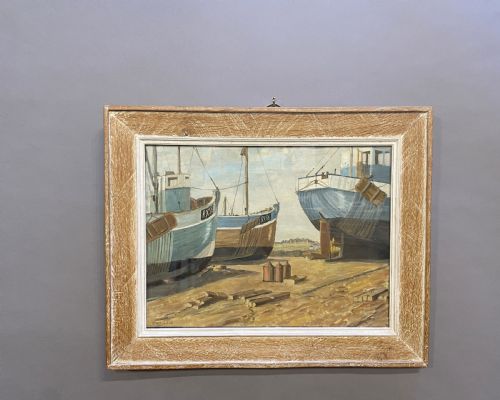


Blue Harbour Oil Painting
A blue harbour oil painting captures coastal life and maritime architecture with lasting appeal for any collector.
Identifying Blue Harbour Oil Paintings
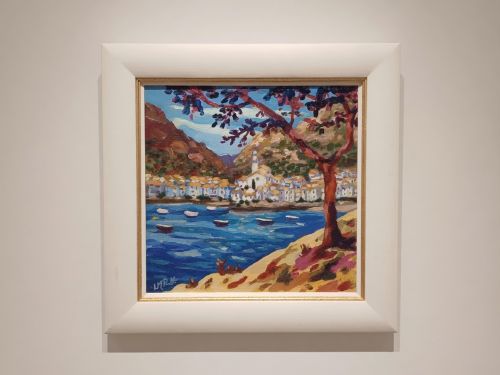
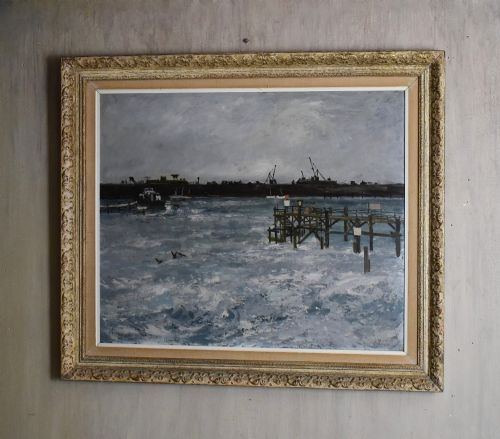
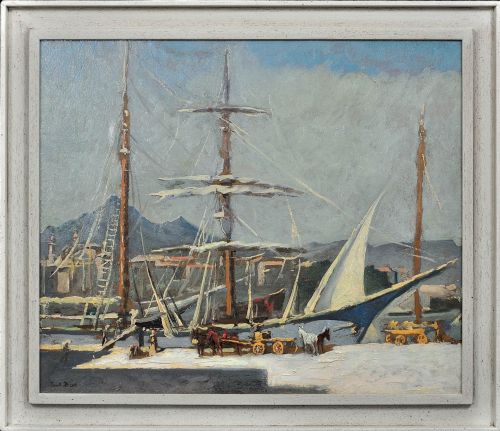
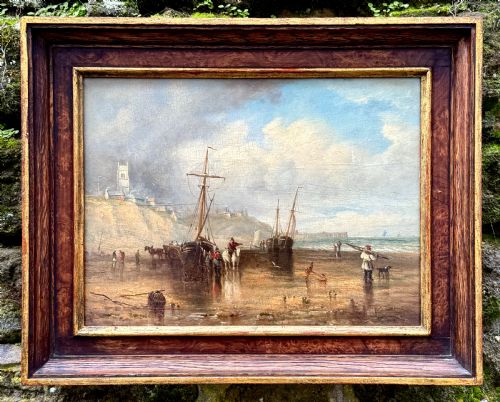
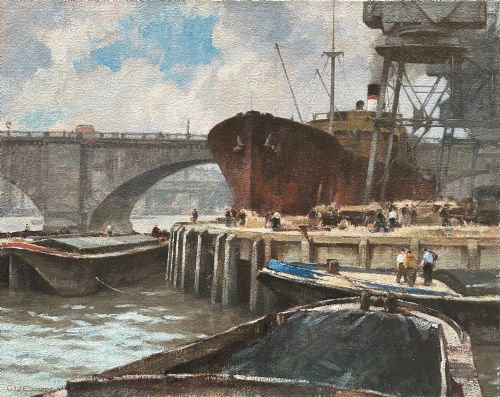
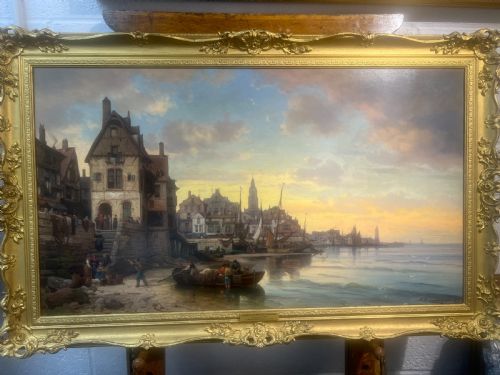
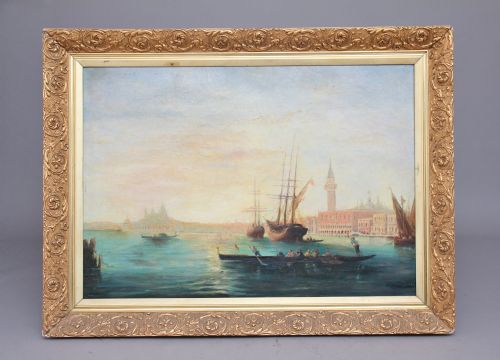
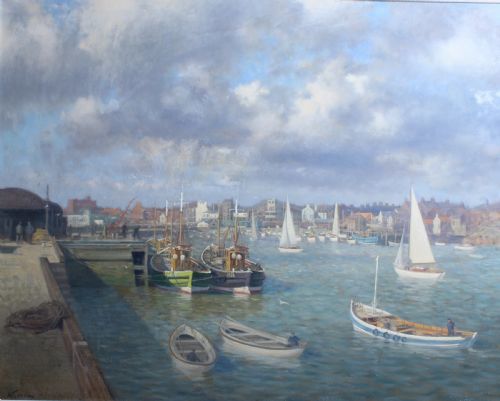
A blue harbour oil painting depicts maritime scenes, coastal inlets, and fishing ports through the medium of oil paint.
The pieces available span from the late nineteenth century into the mid-twentieth century, encompassing Edwardian, Post-Impressionism, and Mid-Century British styles.
Subjects range from Cornish fishing villages and northern English ports to French Mediterranean harbours.
Materials and Construction
These works utilise oil paint applied to canvas, often set within wooden frames.
Artists employ traditional brushwork and pigment layering to render water reflections, skies, and stone quaysides.
Retail Price Guide 2026
Typical UK retail prices for blue harbour oil painting, calculated from the Sellingantiques database of over a million retail prices indexed since 2003. This retail price guide relies exclusively on Sellingantiques data; no external sources or auction records are used, so the figures do not describe the wider market.
Listings feature oil paint on canvas across Edwardian, Post-Impressionism, and Mid-Century British styles spanning eight decades.
Assessing Artistic Merit
Quality rests in the handling of light on water, compositional balance, and the artist's ability to evoke atmosphere rather than mere documentation.
Works by recognised Royal Academicians or established continental colourists demonstrate superior draughtsmanship and pigment harmony compared to anonymous vernacular pieces.
Walter Goodin·Doyly-John·William Lambert Bell·Owen Bowen·Henri Ottman·Bertram Priestman
The Blue Harbour Oil Painting Glossary
- Oil paint
- A slow-drying paint made of pigments suspended in a drying oil, typically linseed oil. This medium allows for rich colour depth and varied surface textures.
- Canvas
- A heavy woven fabric used as a surface for painting, stretched across a wooden frame. It remains the standard support for historical oil works.
- Post-Impressionism
- An art movement extending Impressionism while rejecting its limitations. Artists focus on expressive brushwork and symbolic use of colour.
- Marine art
- Depictions of the sea, ships, and coastal views. This genre has a long history in British and European painting.
Frequently Asked Questions
What periods do these paintings cover?
The works date from the late nineteenth century through to the mid-twentieth century, including Edwardian and mid-century movements.
This broad timeline shows diverse interpretations of maritime subjects across several decades.
Where were these scenes painted?
Locations include British coastal spots like Mevagissey in Cornwall, Bridlington, and Littlehampton, alongside French ports such as Toulon.
Each location offers a distinct architectural and atmospheric character reflecting regional harbour life.
How should I display an oil painting?
Keep the artwork away from direct sunlight and excessive humidity to protect the canvas and wooden frame.
Proper placement ensures the oil pigments and varnishes remain stable over time.
What materials make up these works?
Artists use oil paint on canvas supports, usually housed within wooden frames.
This traditional combination provides durability and longevity for historical artworks.