




Vintage Harbour Scene Painting
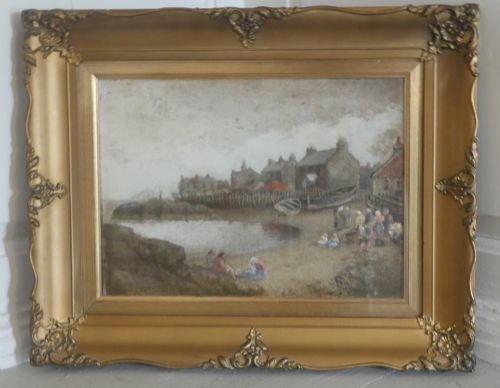
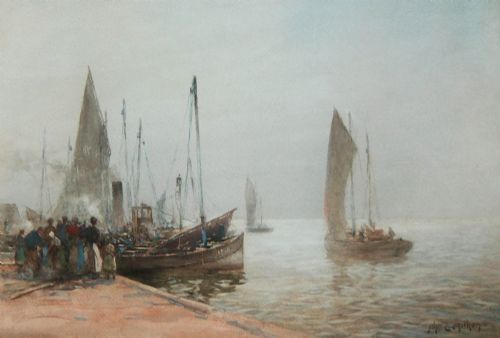
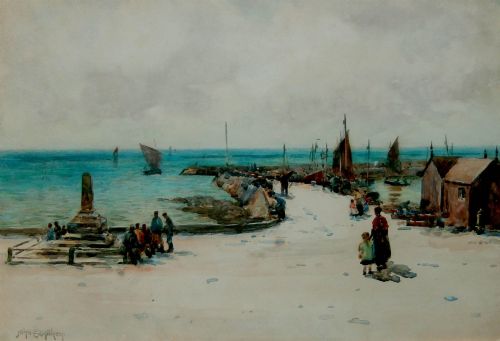
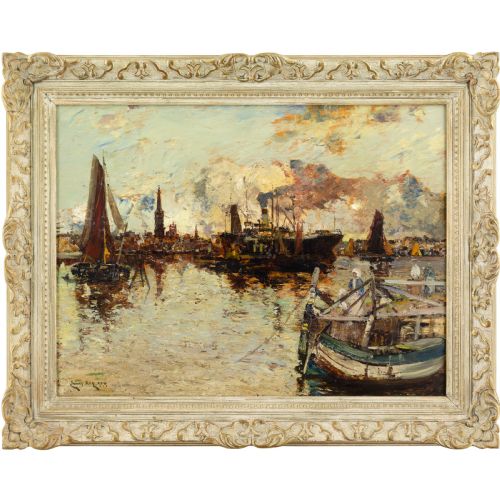
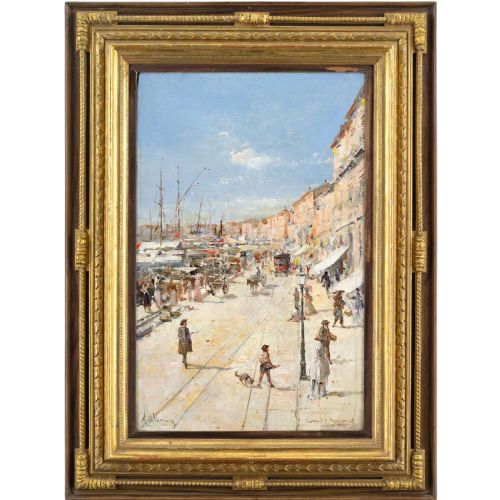
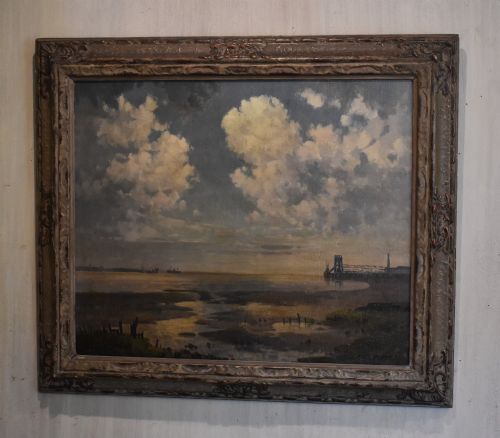
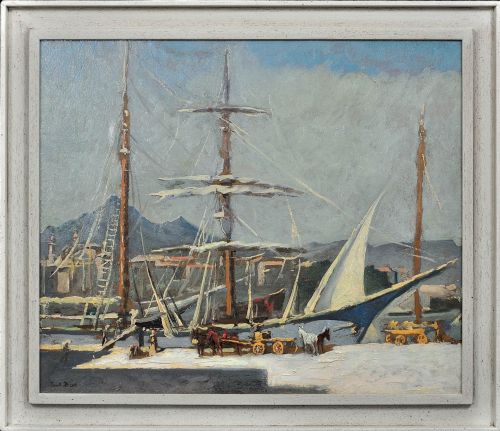
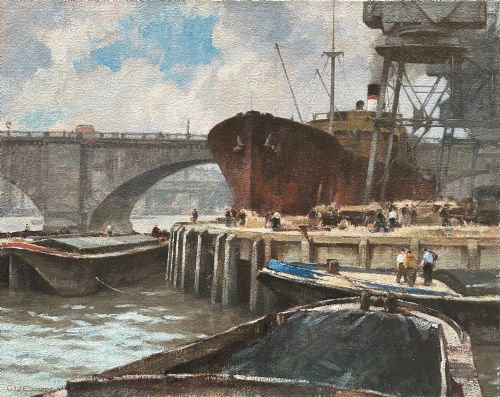
When you search for a vintage harbour scene painting, you discover maritime works capturing bustling coastal trade and quiet fishing ports across Britain and Europe.
Vintage Harbour Scene Painting
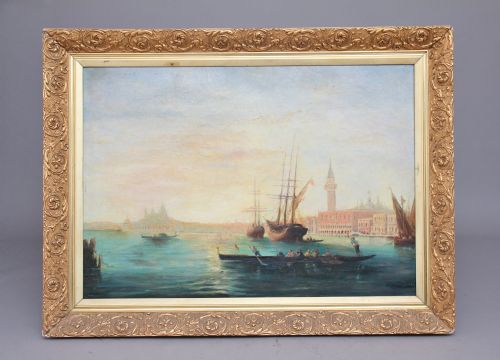
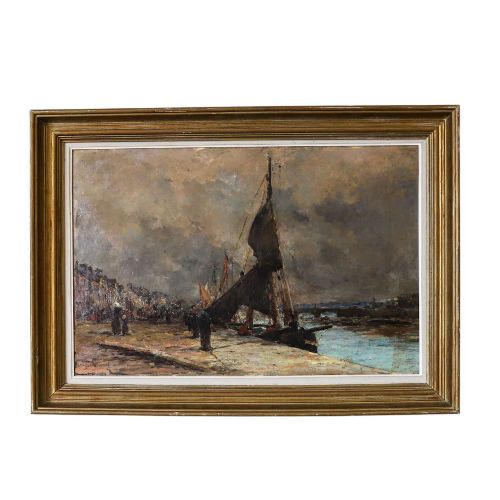
A vintage harbour scene painting captures coastal life, bustling fishing ports, and tidal inlets across Britain and continental Europe from the nineteenth century through to the mid-twentieth century.
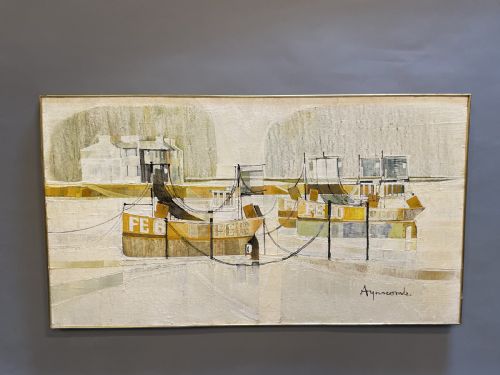
You frequently encounter works executed in oil or watercolour, spanning movements like British Impressionism, Victorian fine art, and mid-century modern interpretations.
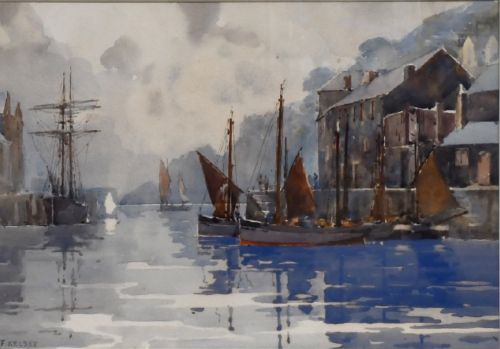
Subjects range from quiet Cornish fishing villages like St Ives and Polperro to busy continental waterways in France, Italy, and Belgium.
Materials and technique
Artists worked primarily in oil paint on canvas or board, and watercolour on paper, capturing coastal light and atmosphere with varied brushwork.
Many works incorporate layered oil pigments to build textured movement in choppy seas, while watercolours rely on fluid washes to render transparent skies and wet harbour walls.
Vintage Harbour Scene Painting Retail Price Guide 2026
Typical asking prices for vintage harbour scene painting among the pieces listed under this phrase on Sellingantiques today, from the lower quarter to the upper quarter. They describe what is for sale here now, not the wider market.
Several artists clearly braved harsh North Sea gales, rendering choppy Cornish waters with enough enthusiasm to make you reach for your oilskins.
What sets individual pieces apart
Quality rests upon the artist's handling of coastal light, atmosphere, and the convincing depiction of maritime architecture and rigging.
Works that demonstrate confident brushwork, strong compositional balance, and clear provenance tend to stand apart from simpler decorative topographical records.
James E. Aitken·William Banks Fortescue·James Kay RSW·Augusto Alberici·Paul Bret·Alfred George Morgan·William Edward Webb·Richard Harry Carter·Gyrth Russell·Raymond Picque·William Lee Hankey·Fred Lawson·Arthur Tucker·Donald McIntyre·Owen Bowen·Frederick Stuart Richardson·LS Lowry
The Vintage Harbour Scene Painting Glossary
- Impressionism
- A style of painting emphasising spontaneous brushwork and the accurate depiction of light in its changing qualities. This approach suits coastal scenes where sunlight glints off water.
- Gilt frame
- A wooden picture frame coated with gold leaf or metallic paint. These frames often accompany Victorian and Edwardian canvases to enhance their visual weight.
- Watercolour
- A painting method in which the paints are made of pigments suspended in a water-based solution. It allows for translucent washes ideal for sea and sky.
- Provenance
- The chronology of the ownership or location of a historical object. Clear documentation confirms the authenticity and history of a maritime artwork.
- Board
- A rigid flat substrate used as an alternative to stretched canvas. Artists working outdoors often utilised wooden or millboard panels for durability.
Vintage Harbour Scene Painting: Frequently Asked Questions
How do I date a harbour painting?
You can estimate the age of a piece by examining the stretcher frames, paper types, pigments used, and the style of the artist's signature. Clothing styles on figures and the types of vessels moored in the harbour also provide strong chronological clues.
Framer labels and gallery stamps on the reverse often point to a specific decade or active trading period of the retailer.
Where should I hang these maritime scenes?
These coastal works suit rooms with natural light, complementing traditional wood furniture or neutral modern walls. Keep them away from direct sunlight and damp environments to protect the canvas or paper.
Ensure the hanging height allows comfortable eye-level viewing of the detailed rigging and water textures.
How do I care for antique watercolours?
Watercolours are sensitive to light and humidity, so frame them behind glass with acid-free mounts to prevent fading and paper degradation. Hang them on interior walls away from direct sunlight and radiators.
Check the framing seals periodically to ensure trapped moisture does not cause foxing spots on the paper.
What is the difference between oil and watercolour?
Oils offer rich, heavy textures and deep pigment layering that can withstand decades of cleaning, often presented in substantial gilded frames. Watercolours provide a lighter, luminous quality on paper that requires protective glass.
Both mediums capture coastal atmospheres differently, with oils excelling in heavy seas and watercolours capturing misty morning air.