




Gold Frame Canvas Art
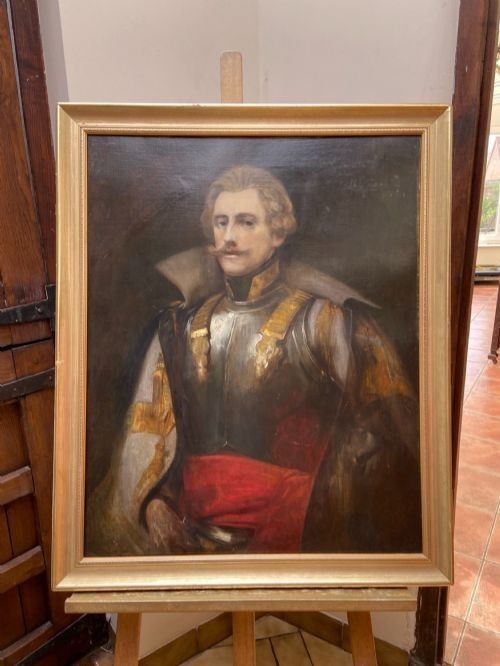
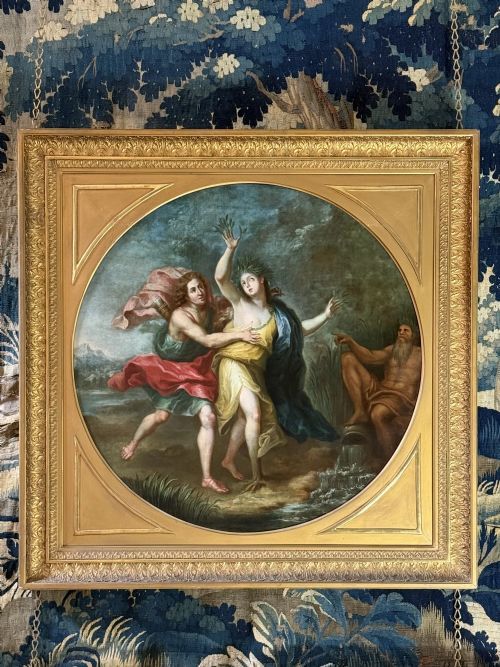
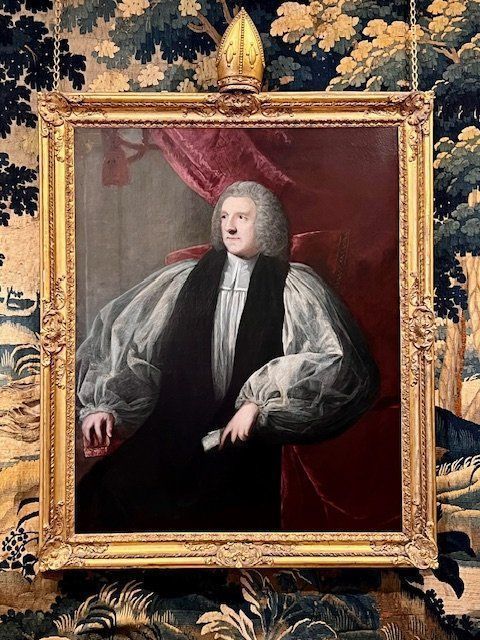
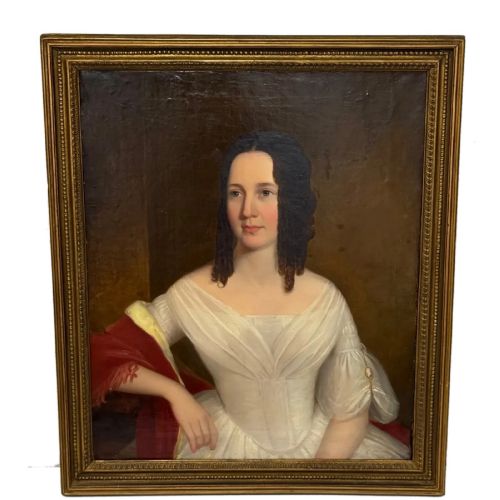
Gold frame canvas art brings together centuries of painted oil portraits, landscapes and marine scenes housed in glowing giltwood and gesso settings.
Gold Frame Canvas Art
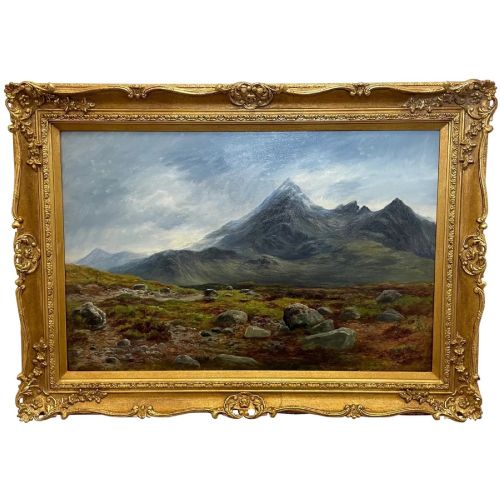
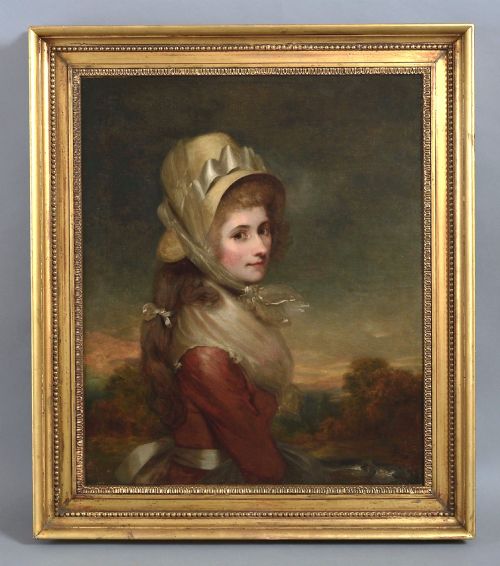
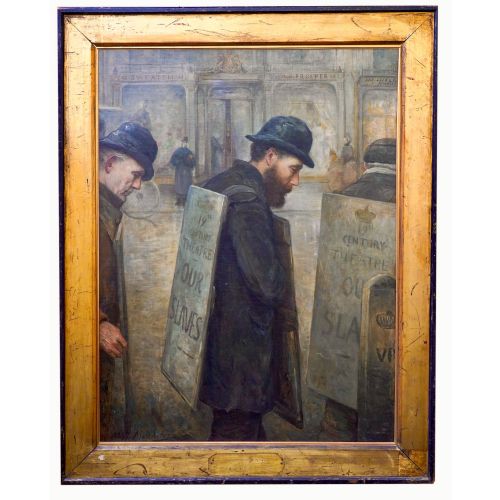
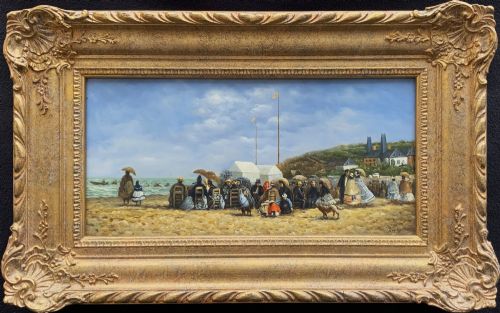
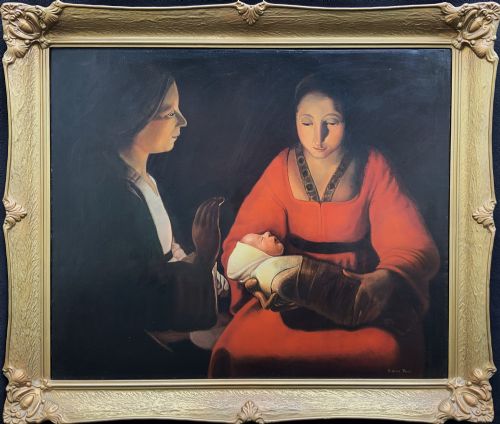
Gold frame canvas art encompasses oil paintings on canvas ranging from the seventeenth century through to the mid-twentieth century, presented in ornate or simple metallic surrounds. Buyers selecting pieces under this heading will frequently encounter formal portraiture, pastoral landscapes and maritime subjects executed in oil paint.
The objects span periods from the Georgian and Victorian eras back to the Baroque and forward into post-impressionist styles. Many examples originate from British and European schools, reflecting traditional portraiture traditions and coastal or countryside scenes.
How They Were Made
The physical build of these works relies on pigment suspended in oil applied directly to woven canvas supports, stretched over wooden frames. This foundational layer is then complemented by decorative surrounds constructed from wood, built up with gesso and finished with applied gold leaf or gilding.
Craftsmen shaped the ornamental borders using moulded gesso to create textured relief patterns before applying metallic leaf by hand. The interaction between the oil medium on canvas and the luminous gilt surround defines the physical structure of these works.
Gold Frame Canvas Art Retail Price Guide 2026
Typical asking prices for gold frame canvas art among the pieces listed under this phrase on Sellingantiques today, from the lower quarter to the upper quarter. They describe what is for sale here now, not the wider market.
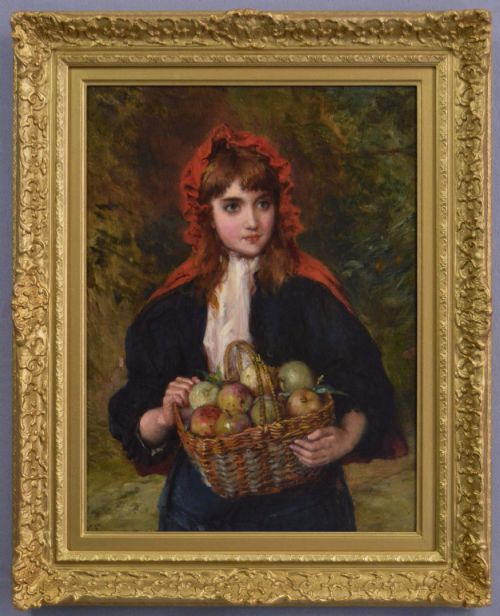
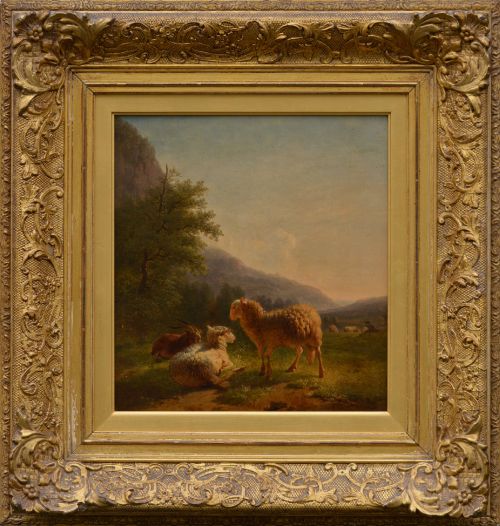
Keep an eye out for portraits featuring unexpected companions, including sheep, goats, and baskets overflowing with freshly harvested apples.
What Varies in Quality
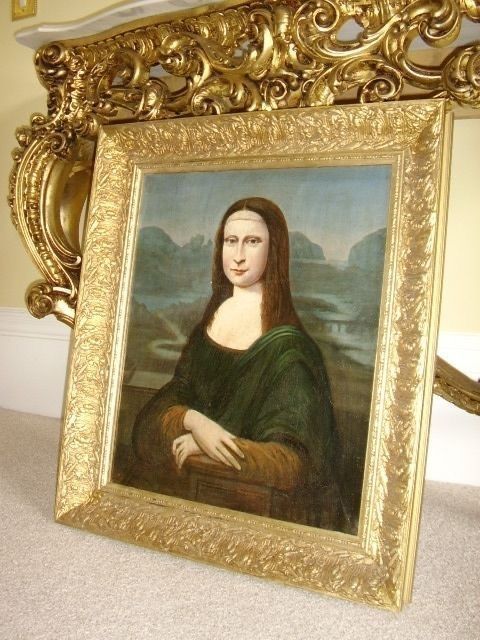
The surrounding frame contributes significantly to the overall integrity, where crisp moulding in the gesso and intact gold leaf preservation elevate the piece. The harmony between the artistry on the canvas and the decorative weight of the giltwood border dictates the standing of each work.
Charles Antoine Coypel·Sir Joshua Reynolds·William Oliver·Eugène Verboeckhoven·Jean Baptiste Van Loo·William Beattie Brown·Jozsef Molnar·Sir Martin Archer Shee·Felix Stone Moscheles·Georges de La Tour·John Hayls·Valentine T Garland·John Maler Collier·Dumini Leopoldo·Sir Peter Lely·Arthur Wardle·Jeremiah Davison·Francois Boucher·Eugène Louis Gillot·John Horace Hooper·William McAlpine·Reginald Arthur Borstel·Sir Godfrey Kneller·Pieter Borsseler·Lemuel Francis Abbott
The Gold Frame Canvas Art Glossary
- Giltwood
- Wood that has been coated with a thin layer of gold leaf or gold paint. This technique provides a luminous finish that protects the underlying timber while creating a decorative boundary.
- Gesso
- A plaster-like mixture applied to wooden frames as a base for moulding and gilding. It allows craftsmen to carve intricate relief designs before applying gold leaf.
- Oil on Canvas
- Pigment mixed with drying oils applied to a stretched woven fabric surface. This combination offers flexibility and allows for rich colour blending and longevity.
- Baroque
- An artistic style from the seventeenth and early eighteenth centuries characterised by drama, deep colour and rich detail. Works from this period often feature strong contrasts between light and dark.
- Post-Impressionism
- A French art movement extending beyond impressionism that focused on symbolic content and heavier brushwork. Pieces in this style often explore flattened planes and bold colour choices.
Gold Frame Canvas Art: Frequently Asked Questions
How should I clean a gold frame?
Dust the surface gently with a soft, dry brush to remove particles without disturbing the delicate metallic leaf. Avoid using water or chemical cleaners that can strip away the historic gilding.
Take care around moulded gesso details where older finishes might be fragile. Professional conservation is advised for deep cleaning or repairing flaking areas.
Where should I hang these paintings?
Position the artwork away from direct sunlight and excessive moisture to protect both the oil pigments and the wooden support structure. Stable indoor temperatures prevent the canvas from warping and the gesso from cracking.
Choose a wall with balanced ambient light that enhances the reflective qualities of the gold frame without causing glare. Ensure the wall fixings safely support the combined weight of the heavy timber and canvas.
How do I identify the period of a canvas?
Examine the style of clothing, hair and setting depicted in the painted subject for initial chronological clues. Portraiture often reflects the prevailing fashion and artistic conventions of its specific decade.
Inspect the stretcher bars and the back of the canvas for historical stamps, labels or workshop markings. Older canvases typically show darkening of the oil medium and oxidation patterns on the rear timber.