




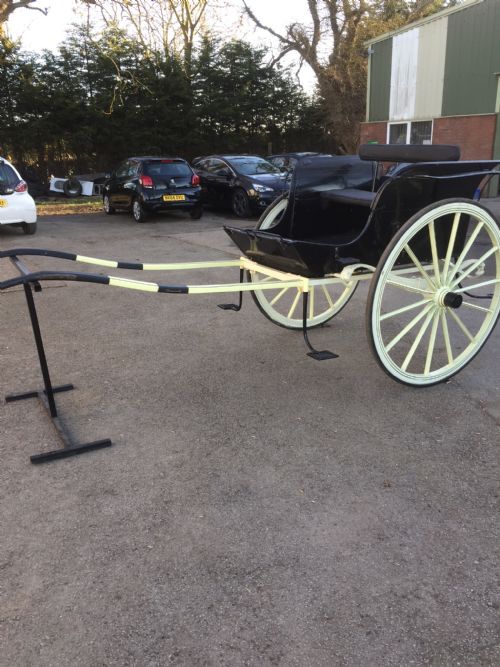
Horse Drawn Carriage Painting
These horse drawn carriage painting works capture the motion of coaches and street scenes, offering a direct window into historical travel.
Horse Drawn Carriage Painting
A horse drawn carriage painting typically depicts coaches, cabs, and street scenes across the nineteenth and early twentieth centuries. These works record the era of horse-drawn transit through detailed depictions of stagecoaches, mail coaches, and urban carriages.
Makers and artists working in English Traditional, Folk Art, and Victorian styles dominate the offerings. Buyers frequently encounter representations of London and Paris settings, alongside scale models built from wood and metal.
Materials and construction methods
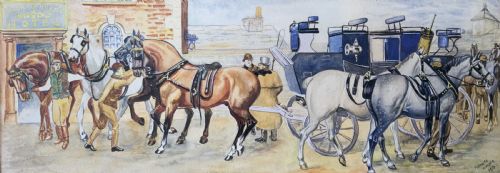
Artists relied primarily on oil on canvas and watercolour applied to paper, utilising paint and ink to render horses, carriages, and atmospheric weather effects like snow. Wooden frames often accompany these works, preserving the original presentation.
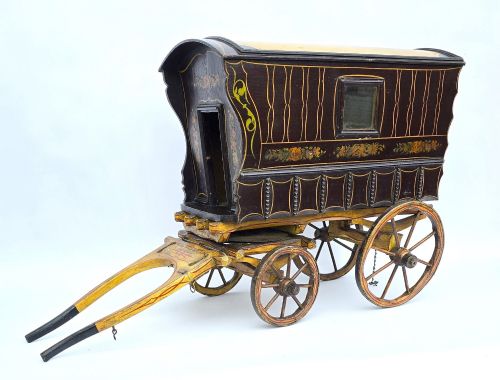
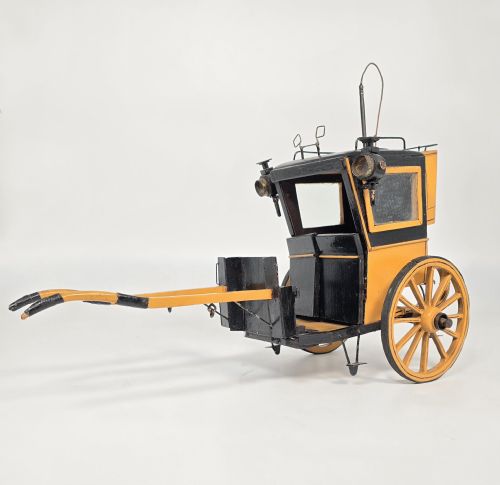
Scale models within this category combine wood and metal elements, sometimes incorporating glass components to achieve realistic carriage structures. These scratch-built pieces demonstrate traditional handcrafting techniques from the early twentieth century.
Horse Drawn Carriage Painting Retail Price Guide 2026
Typical asking prices for horse drawn carriage painting among the pieces listed under this phrase on Sellingantiques today, from the lower quarter to the upper quarter. They describe what is for sale here now, not the wider market.
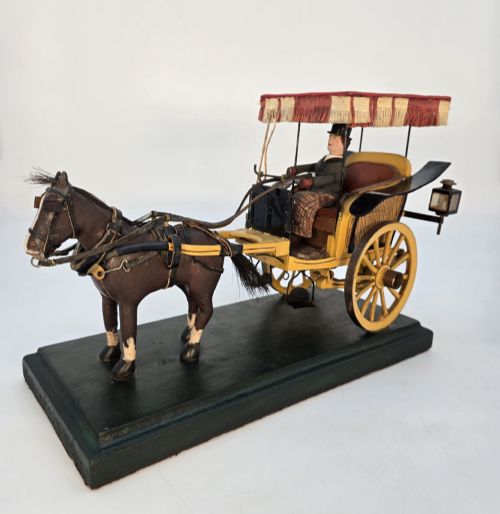
A carriage model maker meticulously recorded a Paris chaise with horse and driver in nineteen-twenty-eight, proving scale enthusiasm spans centuries.
Distinguishing quality across pieces
The skill of the brushwork and the precision in rendering equine anatomy and vehicle proportions separate standard works from superior examples. Signed compositions by documented artists typically exhibit greater command of light and movement, particularly in complex street scenes.
The condition of the canvas, paper, or model structure heavily influences the piece. Intact original frames and well-preserved painted surfaces retain more of their historical integrity compared to heavily restored examples.
R.D. Roberts·Albert Ludovici Jnr·William Manners·Charles James Lauder·Samuel Henry Alken·Eduard Leon Cortes·John Charles Maggs·John Richard Worsdale·Francis Cecil Boult
The Horse Drawn Carriage Painting Glossary
- Watercolour Paintings
- Works executed with water-soluble pigments on paper, frequently mounted behind glass in period frames.
- Folk Art Model
- Three-dimensional handcrafted representations of carriages created outside formal academic traditions, often utilising wood and metal.
- Oil on Canvas
- Paintings created using pigments suspended in a drying oil medium, stretched over a wooden frame.
- Genre Watercolour
- Watercolours depicting scenes from everyday life, such as street activity or individuals taking a cab.
- Edwardian
- Pertaining to the art and style of the reign of King Edward VII, spanning the early twentieth century.
Horse Drawn Carriage Painting: Frequently Asked Questions
What periods do these paintings date from?
The works span from the nineteenth century through the early twentieth century, encompassing Victorian and Edwardian eras. Painters and model makers recorded the transition of street transport during these decades.
Pieces range from mid-nineteenth-century coaching scenes to later depictions painted in the nineteen-twenties, reflecting shifting artistic styles like French Post-Impressionism and Folk Art.
How are carriage models different from paintings?
Models are three-dimensional scratch-built objects constructed from wood and metal, often depicting specific vehicles like Paris chaise carriages or hanson cabs. Paintings are two-dimensional works on canvas or paper.
Both formats serve to document historical transport, but models offer physical scale representations while paintings capture atmospheric settings such as snowstorms or moonlit streets.
Where do the street scenes usually take place?
Urban settings on this page frequently focus on London and Paris locations, capturing iconic spots like Leicester Square alongside busy thoroughfares. These locations reflect the bustling nature of metropolitan transport before the dominance of motor vehicles.
Rural routes also appear, notably stagecoach journeys along postal roads from York to London during winter weather conditions.
How should I display a model carriage?
Displaying a wooden or metal carriage model requires a stable surface away from direct sunlight and excessive humidity to protect the materials. Keeping the piece in a controlled indoor environment preserves the paint and structural elements.
Ensure the model rests securely on its wheels or base, and avoid placing it in high-traffic areas where accidental bumps might damage delicate hand-built components.