





Georgian Equestrian Oil Painting
A georgian equestrian oil painting captures horses, riders, and carriages within traditional rural landscapes and estates.
Georgian Equestrian Oil Painting
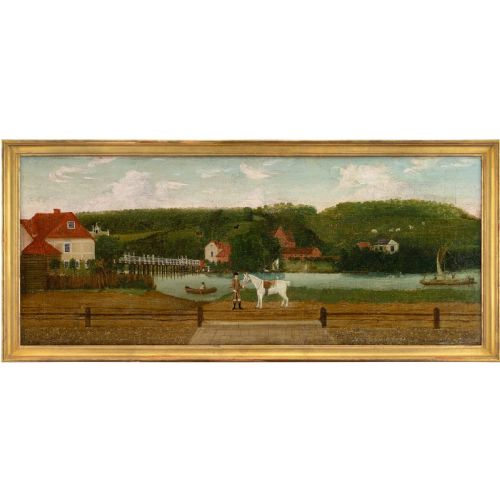
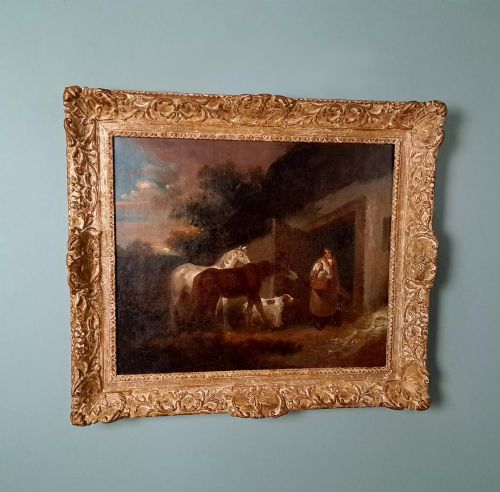
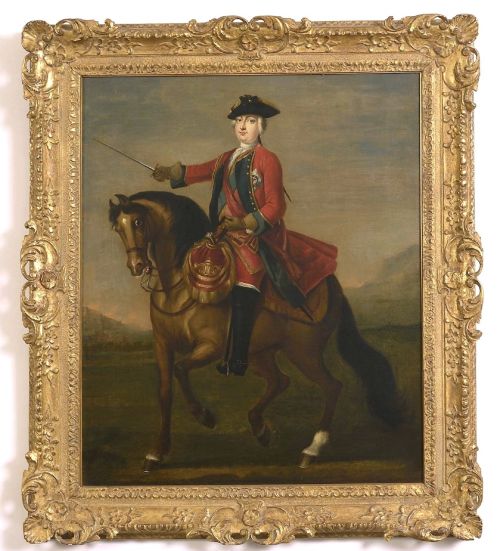
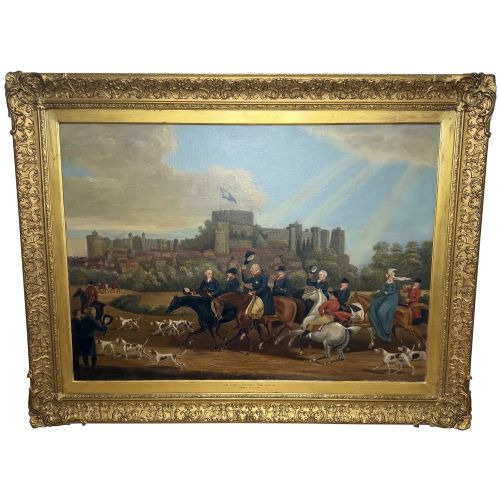
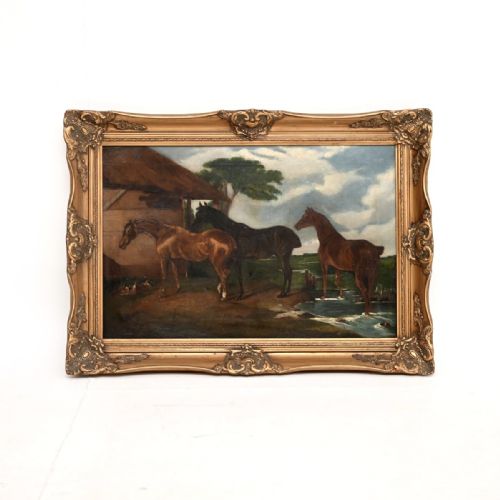
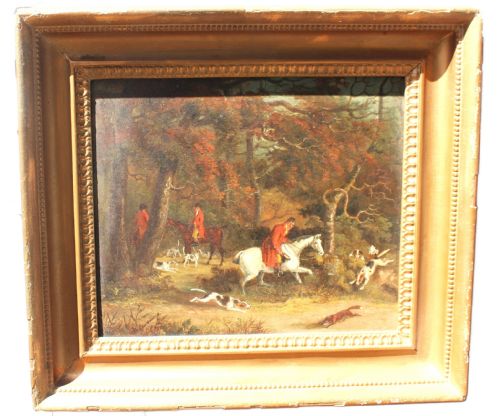
A georgian equestrian oil painting depicts horses, hunting scenes, coaching subjects, and rural landscapes from the eighteenth and nineteenth centuries. These works record the central role of horses in country life, transportation, and sporting pursuits during the period.
The selections on this page feature canvas and panel supports, often framed in gold leaf or giltwood. Scenes range from portraits of individual hunters and stallions in stables to bustling coaching journeys and mounted hunting parties.
Most examples originate from British schools and named artists working across the Georgian, Regency, and early Victorian eras. Works appear in both intimate port-style formats and larger landscape compositions.
How They Were Made
Painters applied oil paint to woven canvas or rigid wood panels, such as pine. These grounds supported layered brushwork to render the glossy coats of horses, fabrics of riding habits, and atmospheric rural skies.
Finished works were housed in decorative timber frames finished with gold leaf or giltwood. These surrounds provided both structural protection and visual depth to the framed compositions.
Georgian Equestrian Oil Painting Retail Price Guide 2026
Typical asking prices for georgian equestrian oil painting among the pieces listed under this phrase on Sellingantiques today, from the lower quarter to the upper quarter. They describe what is for sale here now, not the wider market.
Current listings feature oil on canvas and wood panel supports spanning the eighteenth, nineteenth, and early twentieth centuries.
What Varies in Quality
Anatomical precision and the handling of light separate masterworks from routine studio output. The convincing rendering of a horse's musculature, posture, and expression requires deep observation from the hand behind the brush.
The preservation of the original paint layer and canvas tension dictates the visual impact of the work. Finer pieces retain their original surface depth, unmarred by heavy overpainting or structural compromise to the wooden panels and stretchers.
John Wootton·Thomas Hudson·George Morland·W Williams·Clifton Tomson·Abraham Cooper·Samuel Henry Alken·John Nost Sartorius·John Vine·James Barenger·John Charles Maggs·Samuel John Egbert Jones·James Pollard
The Georgian Equestrian Oil Painting Glossary
- Oil on Canvas
- Pigment suspended in a drying oil medium applied to a stretched woven fabric support. This combination allowed artists to blend tones smoothly and build rich surface textures.
- Giltwood
- Timber carved and coated with a thin layer of gold leaf or metallic powder. It provides a traditional reflective border for historic paintings.
- Regency
- The period in British history spanning the early nineteenth century, noted for distinct developments in portraiture and sporting art. Works from this era often emphasise crisp detail and luminous landscape backgrounds.
- Panel
- A rigid support made from wood, such as pine, used by artists before or alongside stretched canvas. Wooden panels offer a smooth, stable surface for detailed brushwork.
Georgian Equestrian Oil Painting: Frequently Asked Questions
What is a georgian equestrian oil painting?
These works are historical artworks depicting horses, riders, carriages, and hunting scenes set within traditional British landscapes.
Created during the eighteenth and nineteenth centuries, they document the importance of horses in travel, sport, and estate life.
How do I identify a georgian period piece?
Examine the artistic style, clothing fashions, and carriage designs depicted within the landscape. Portraits often feature specific handling of horses and pastoral backgrounds characteristic of British sporting art.
Reference markers such as artist signatures, canvas types, and framing materials further help anchor the work within its era.
Where were these paintings displayed originally?
Landowners and nobility hung these works in country houses, libraries, and estate reception rooms. They served as celebrations of prized livestock, hunting achievements, and rural properties.
Today, they function well in traditional studies, hallways, and living spaces alongside period furniture.
What subjects are most common?
Common subjects include coaching scenes, fox hunting parties, individual portraits of hunters and stallions, and rural roadside encounters. Artists frequently placed horses within detailed countryside vistas or stable interiors.
Landscapes often feature recognizable pastoral elements and estate architecture from the period.