



Antique Coaching Oil Painting
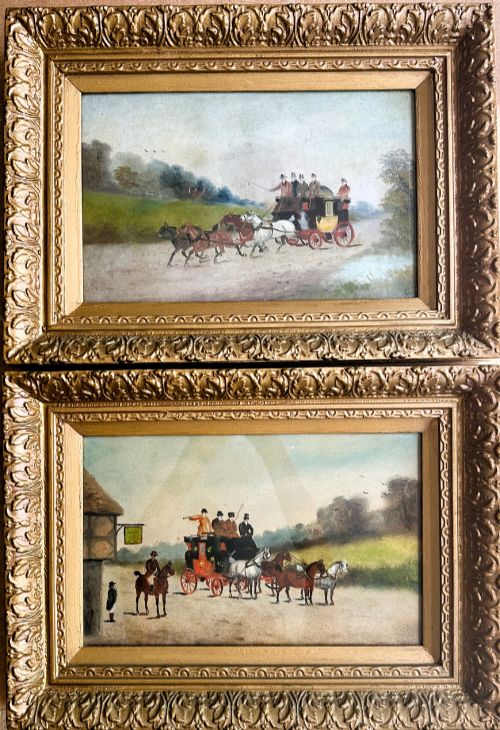
These antique coaching oil painting works capture the motion of mail coaches and stagecoaches across changing British landscapes.
Antique Coaching Oil Painting
An antique coaching oil painting depicts horse-drawn mail coaches, stagecoaches, and carriages navigating historical routes, country inns, and seasonal weather. Buyers seeking this subject matter encounter framed canvas artworks and painted wooden panels dating from the Georgian, Regency, Victorian, and Edwardian eras.
The selections on this page range from dynamic winter snowstorm compositions to detailed portrayals of royal mail carriages with horses. Notable painters such as John Charles Maggs and Philip Rideout define the visual style of these traditional British sporting scenes.
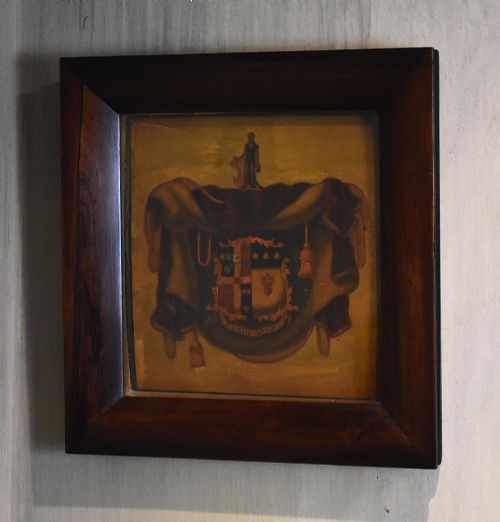
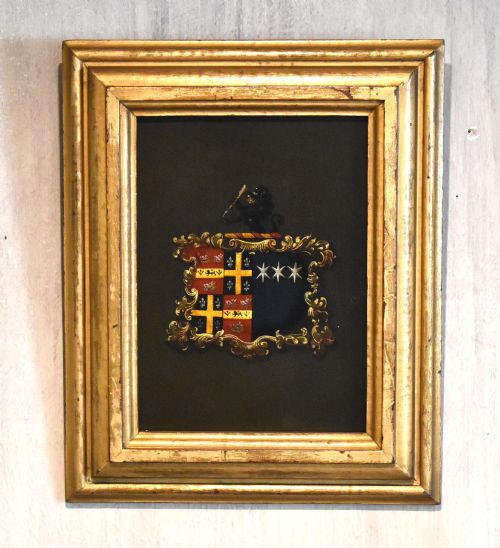
Beyond standard canvas works, the category includes painted coach panels bearing heraldic coats of arms. These diverse formats preserve a specific chapter of transport history through traditional fine art techniques.
How they were made
Artists built these scenes using oil paint applied to stretched canvas or wooden panels, utilising rich pigments to render horses, figures, and carriages. Brushwork ranges from tight, controlled detail on harness fittings to looser, atmospheric marks capturing drifting snow and winter skies.
Framing forms an integral part of the physical piece, with many works housed in period giltwood and wood frames that complement the traditional subjects. The physical structure combines standard artist canvases with sturdy wooden supports and protective glass.
Listings feature oil paint on canvas and wood, paired with giltwood frames across Georgian, Victorian, and Edwardian periods.
What varies in quality
Quality rests upon the artist's ability to render equine anatomy, movement, and the specific architecture of historical carriages convincingly. Master hands like James Pollard or John Charles Maggs achieve superior depth in their landscape composition and atmospheric weather effects.
The preservation of the paint surface and the originality of the associated giltwood frame influence the overall integrity of the piece. Stronger examples maintain clear signatures, stable canvas tension, and minimal overpainting across the horses and figures.
Philip Rideout·George Wright·Samuel Henry Alken·John Charles Maggs·John Richard Worsdale·James Pollard
The Antique Coaching Oil Painting Glossary
- Coach panel
- A wooden panel originally forming part of a carriage door or body, often painted with heraldic coats of arms. These panels survived independently as decorative works of art.
- Giltwood
- Wood carved and coated with a thin layer of gold leaf or metallic powder. It provides a reflective, ornate border for traditional oil paintings.
- Mail coach
- A horse-drawn carriage used to transport mail and passengers along fixed routes. Artists frequently depicted them rushing through snowstorms or stopping outside coaching inns.
- Sporting art
- Fine art depicting equestrian subjects, hunting, coaching, and rural pastimes. This genre gained significant popularity throughout the eighteenth and nineteenth centuries.
Antique Coaching Oil Painting: Frequently Asked Questions
What subjects appear in coaching paintings?
These artworks depict mail coaches, stagecoaches, and carriages accompanied by horses, hounds, and travellers along English roads. Scenes often feature winter snowstorms, roadside inns, or rural landscapes.
Specific compositions record named routes, such as the journey from York to London, or historical royal coach parties passing ornamental lakes.
How do I identify the period of a painting?
Dating relies on costume details, carriage design, framing materials, and the recorded lifespan of signed artists. Georgian and Regency pieces show different vehicle styles compared to later Victorian and Edwardian works.
Signatures, canvas types, and archival records help narrow down the exact decade of creation.
Where were these paintings displayed originally?
Historically, coaching scenes hung in country houses, coaching inns, and domestic reception rooms as part of traditional British sporting collections. Heraldic panels served a functional role on actual carriages before transitioning to wall display.
Today, they suit studies, libraries, and traditional living spaces alongside period furniture.
Are all coaching paintings signed by artists?
Many works carry signatures or attributions to known painters like John Charles Maggs or Philip Rideout. Other pieces remain unsigned or attributed based on style and subject matter.
Both signed canvases and attributed works capture the same nineteenth-century transport traditions.