


Equestrian Fine Art Painting
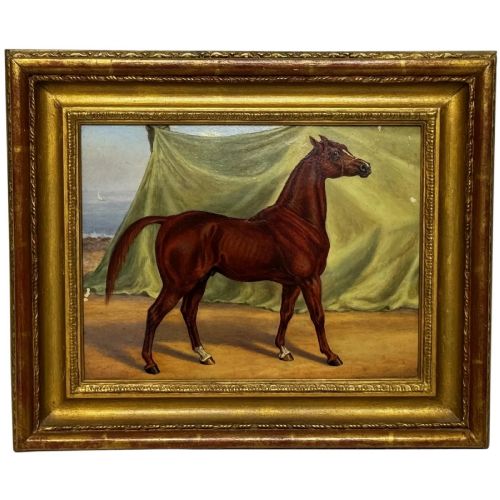
When you search for equestrian fine art painting, you find works capturing horses and riders across centuries in oil and canvas.
Equestrian Fine Art Painting
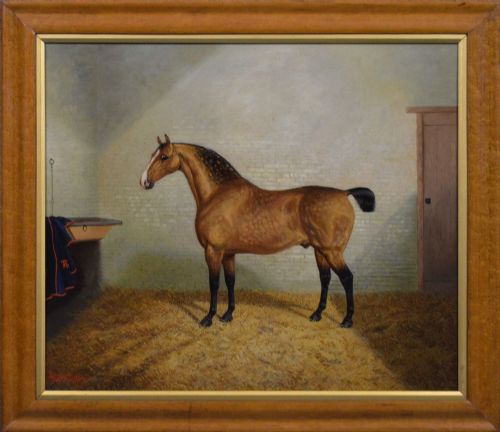
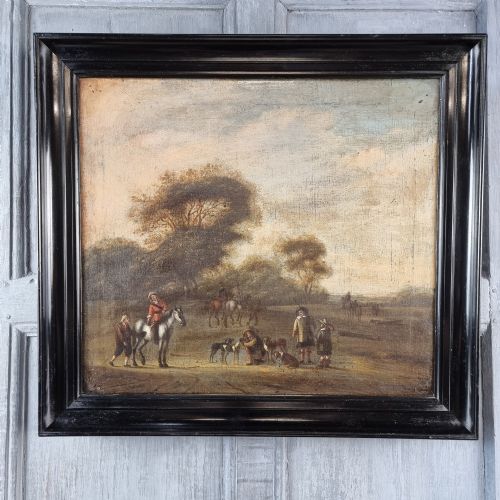
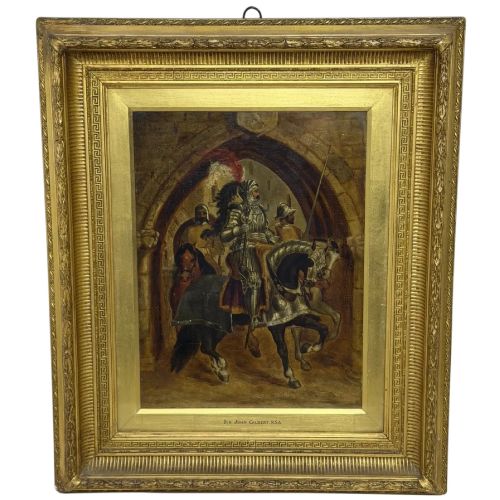
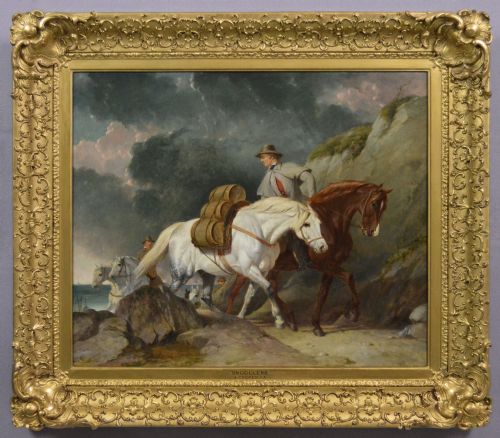
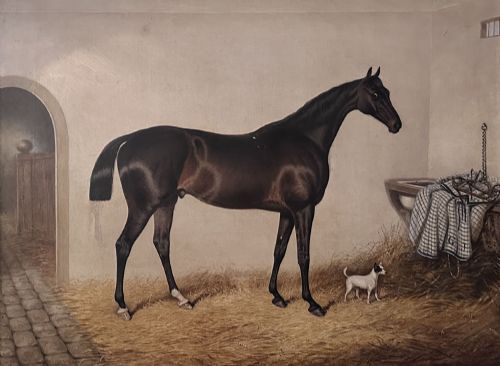
An equestrian fine art painting depicts horses in portraits, racing scenes, landscapes, and historical narratives, anchored firmly in British and European traditions. You encounter works spanning from the seventeenth century through to the mid-twentieth century, reflecting changing tastes in animal and sporting subjects.
The most common pieces on this page are nineteenth-century oil paintings on canvas, often housed in period giltwood frames. These range from individual horse portraits and hunting scenes to complex countryside landscapes with farm animals and figures.
Materials and Technique
Artists painted primarily in oil on canvas, utilising oil paint to build depth, texture, and tonal variation across the animal's coat and the surrounding landscape. The medium allowed painters to capture the sheen of a horse's musculature and the atmospheric light of countryside settings.
Many works retain their original or period gilt wood and giltwood frames, which contribute structurally and visually to the presentation of the art. The physical construction combines stretched canvas over wooden stretchers, secured within carved and gilded surrounds.
Listings feature works spanning from the 17th Century to the mid 20th Century, executed predominantly in oil on canvas.
Quality and Execution
Quality rests upon the artist's command of equine anatomy, movement, and proportion, separating convincing animal portraits from stiff or generic renderings. Superior works display careful observation of muscle structure, light on the coat, and convincing integration of horse and rider within the landscape.
The handling of the broader composition and secondary elements - such as handling of light in landscape backgrounds, atmospheric perspective, and the integration of accompanying figures or livestock - determines the standing of a painting within the genre.
Albert Clark·Abraham Cooper RA·John Frederick Herring·Michael Lyne·Philips Wouwerman
The Equestrian Fine Art Painting Glossary
- Oil on Canvas
- A painting medium where pigments suspended in oil are applied to a stretched woven fabric support. This combination provides durability and allows for subtle blending of tones.
- Giltwood
- Wood that has been covered with a thin layer of gold leaf or gilt. It provides ornate framing characteristic of period artworks.
- Sporting Art
- Depictions of rural sports, particularly horse racing, hunting, and shooting. These works record animals, participants, and countryside pursuits.
- Provenance
- The documented history of ownership of an artwork. It establishes authenticity and traces the piece back through previous collections.
Equestrian Fine Art Painting: Frequently Asked Questions
How do I identify the period of an equestrian painting?
Dating relies on stylistic clues, costume details of riders, framing materials, and artist signatures recorded in the inventory.
Comparative analysis of canvas preparation and stretcher construction further helps place a work within specific centuries like the Victorian era.
What subjects appear most frequently in these paintings?
Common subjects include individual horse portraits, hunting scenes with hounds, racing events, and working animals in agricultural landscapes.
Artists also placed horses within military skirmishes, coaching scenes, and pastoral countryside settings alongside livestock.
How should I care for an oil painting on canvas?
Protect the canvas from direct sunlight, extreme temperature shifts, and high humidity to prevent cracking of the oil paint and warping of the stretcher.
Dust the surface gently with a soft, dry brush and avoid using liquid cleaners or touching the painted areas directly.
Are these paintings usually framed in original surrounds?
Many pieces retain period giltwood frames that match the age and style of the canvas, though some have been reframed over the centuries.
Examining the corner joints and gilding wear helps determine whether a frame has been paired with the painting later in its history.