
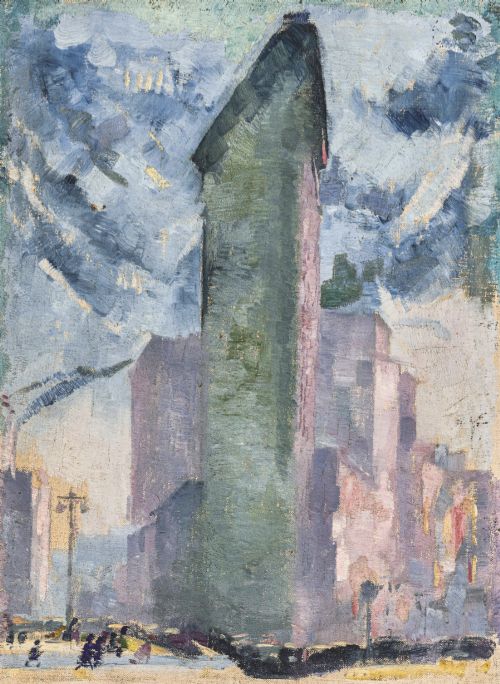
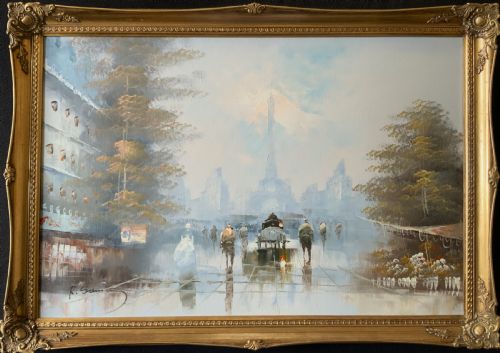
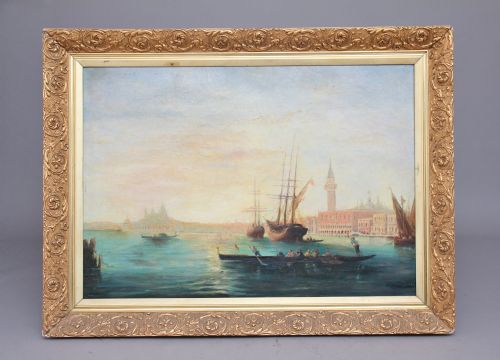


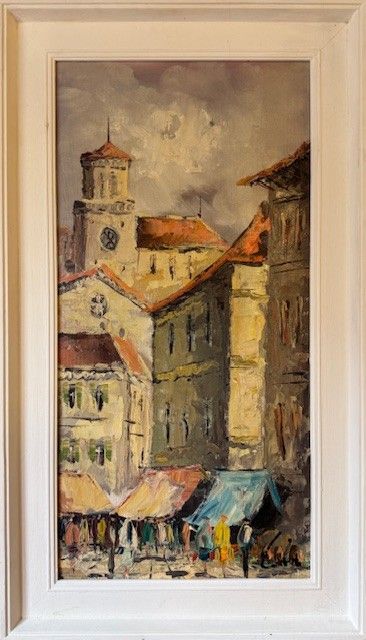


Impressionist Cityscape Canvas
An impressionist cityscape canvas captures the atmosphere of historic streets and canals through textured brushwork and light.
Impressionist Cityscape Canvas
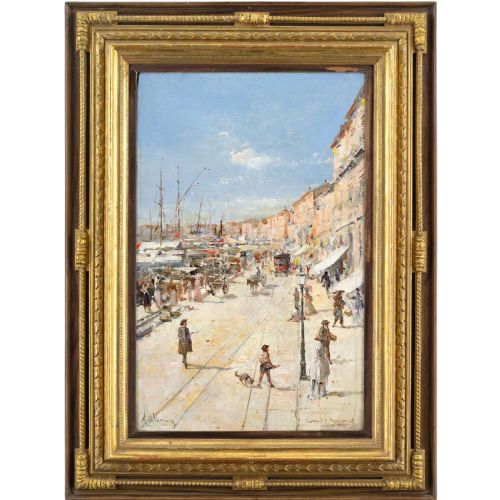
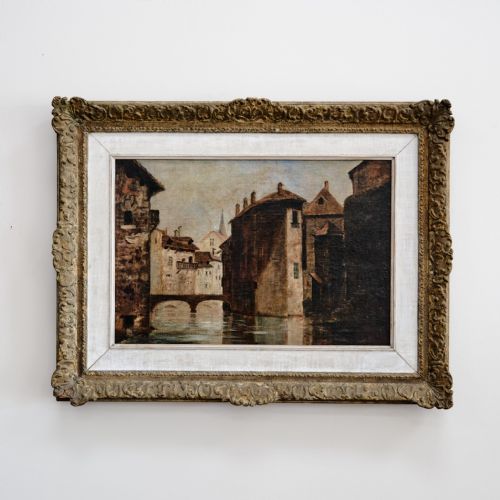
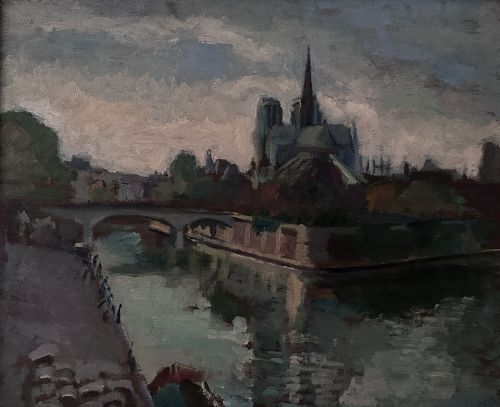
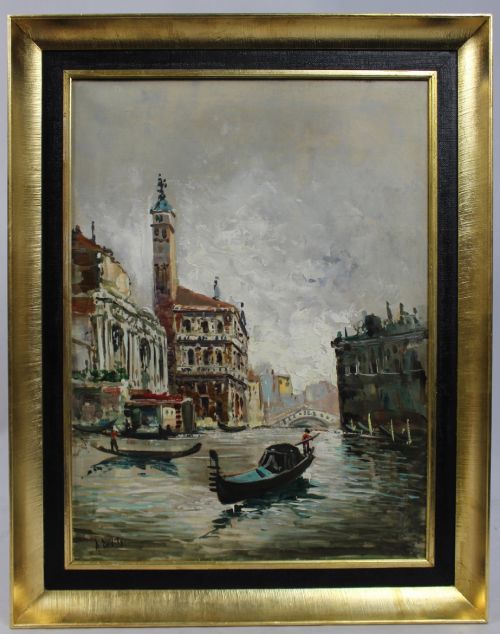
An impressionist cityscape canvas depicts urban views, bustling markets, and quiet waterways through the lens of nineteenth and twentieth-century movements. The pieces available here encompass French, Italian, and British scenes rendered in styles ranging from traditional Impressionism to Mid-Century Modern interpretations.
The most common formats on this page are oil paintings on canvas depicting iconic locations such as Paris, Venice, and London. These works span periods from the nineteenth century through the 1960s, capturing landmarks like Notre Dame, the Eiffel Tower, and Venetian canals.
Buyers encounter varied interpretations of urban life, including tranquil river scenes, busy street markets, and architectural studies. The selection demonstrates how different painters approached light and atmosphere across various decades of the twentieth century.
Factors that differentiate the works
The distinction between standard examples and exceptional pieces rests in the handling of light, brushwork confidence, and compositional depth. Superior works demonstrate a assured command of tone that evokes the specific atmosphere of a location rather than merely recording architecture.
The listings span from the nineteenth century to the 1960s, utilising oil paint on canvas supports housed in wood and gilt frames.
Augusto Alberici·Antonio DeVity·Alfred Wolmark·Caroline Burnett·Paul-Jean Anderbouhr·Ron Folland·Merio Ameglio·E A Minardo·Claude Jousset·Marc Aldine·Eduard Leon Cortes·Job de Vogel·Pauline Boumphrey·Emanuele Cappello·Pierre Peltier·Charles Clement Calderon·Letitia Marion Hamilton
The Impressionist Cityscape Canvas Glossary
- Impressionism
- A nineteenth-century art movement characterised by relatively small, thin, yet visible brush strokes and an emphasis on accurate depiction of light. This approach prioritises the shifting qualities of visual perception over precise detail.
- Post-Impressionism
- A predominantly French art movement that developed from Impressionism, extending its limitations while rejecting its restrictions. Painters of this style continued using vivid colours and thick application of paint while emphasising geometric forms.
- Gesso
- A plaster-like mixture used as a base coat on wooden frames before gilding or painting. It provides a smooth surface for subsequent decorative finishes.
- Giltwood
- Wood that has been decorated with gold leaf or gold paint. This material is frequently found on the period frames enclosing mid-century and nineteenth-century canvases.
- Canvas
- A closely woven fabric used as a surface for oil painting. It is typically stretched tightly over a wooden frame before work begins.
Impressionist Cityscape Canvas: Frequently Asked Questions
What subjects do these canvases usually show?
These works primarily depict European urban environments, with a strong focus on Parisian street scenes, Venetian canals, and architectural landmarks. Painters recorded bridges, rivers, cathedrals, and daily life in city squares during the nineteenth and twentieth centuries.
The compositions range from wide river panoramas to intimate glimpses of plazas and rooftops. Each piece reflects the specific atmosphere of cities like London, Paris, Venice, and Rouen through the distinct perspective of the artist.
How do I identify the date of a painting?
Dating relies on stylistic clues, artist signatures, and the physical characteristics of the canvas and stretcher frame. Works from the Belle Epoque or the mid-twentieth century often display distinct handling of pigment and dress styles among any figures depicted.
Signatures inscribed on the canvas provide a direct link to the artist, allowing researchers to cross-reference active periods. Period frames can also offer contextual clues regarding the era in which the artwork was mounted.
How should I care for an oil painting on canvas?
Maintaining an oil painting requires stable environmental conditions away from direct sunlight and excessive humidity. Fluctuations in temperature can cause the canvas and wooden stretcher to expand or contract, placing stress on the paint layer.
Dust should be removed gently from the canvas surface using a soft, dry brush without applying pressure. Professional conservators should handle any cleaning of the oil paint or repair of the giltwood frame.
What is the difference between impressionism and post-impressionism?
Impressionism focuses on capturing transient visual impressions of light and movement using broken brushstrokes. The subject matter is often treated with an emphasis on atmospheric effects rather than sharp outlines.
Post-Impressionism builds upon these techniques while introducing a greater emphasis on symbolic content and structural form. Artists working in this later style often employed more expressive colours and defined compositions.