


Blue Floral Pottery
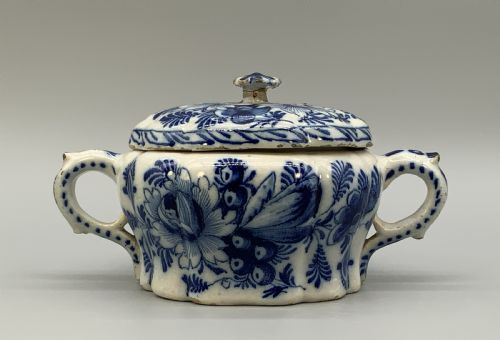
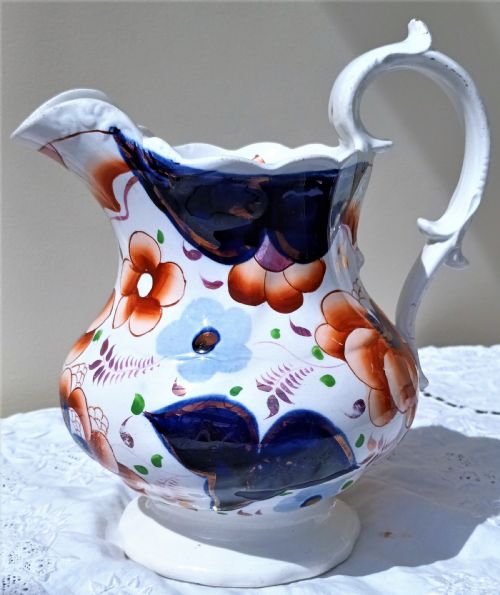
Blue floral pottery encompasses centuries of ceramic vessels and plates decorated in cobalt and enamel.
Blue Floral Pottery
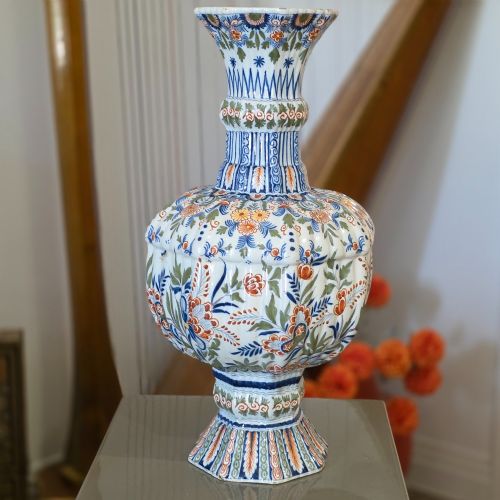
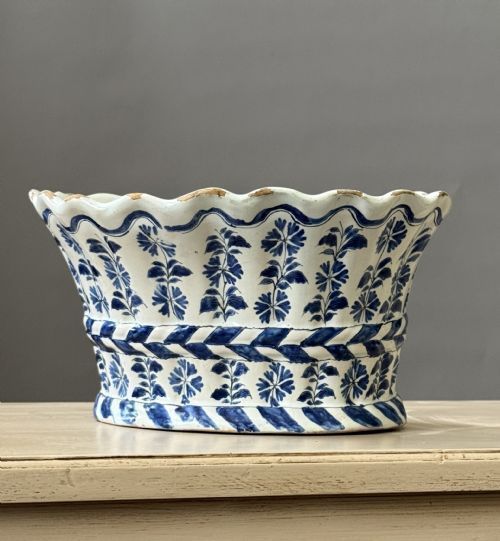
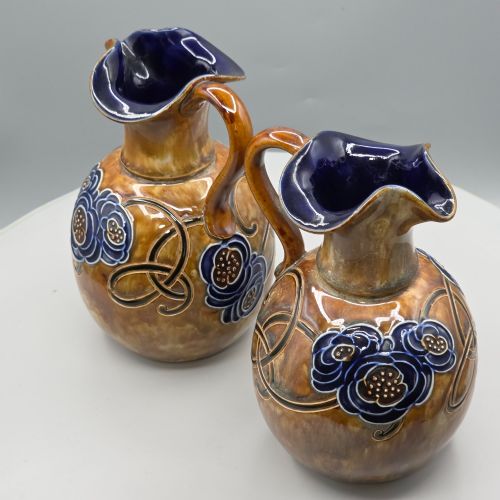
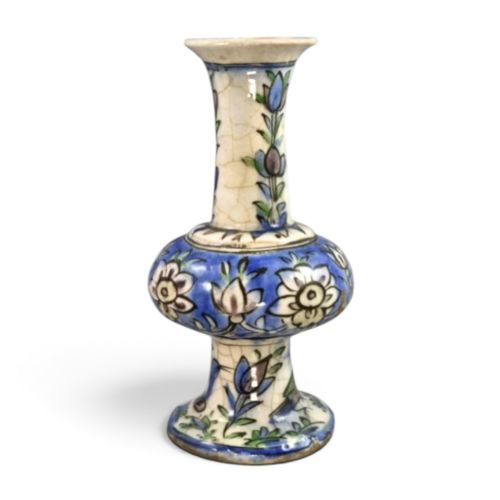
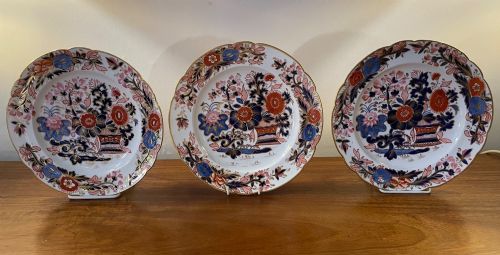
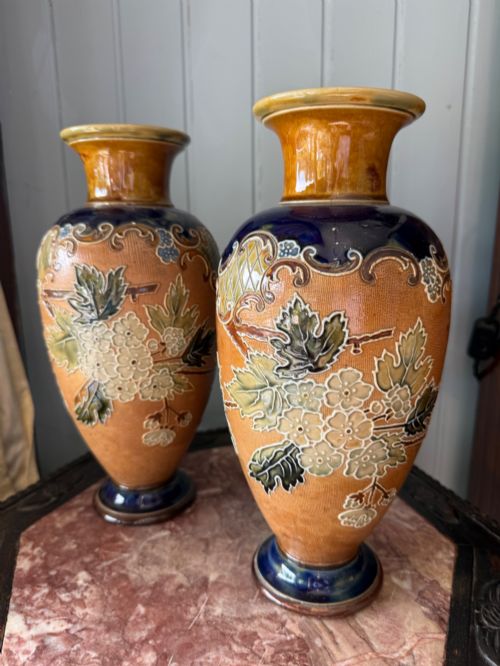
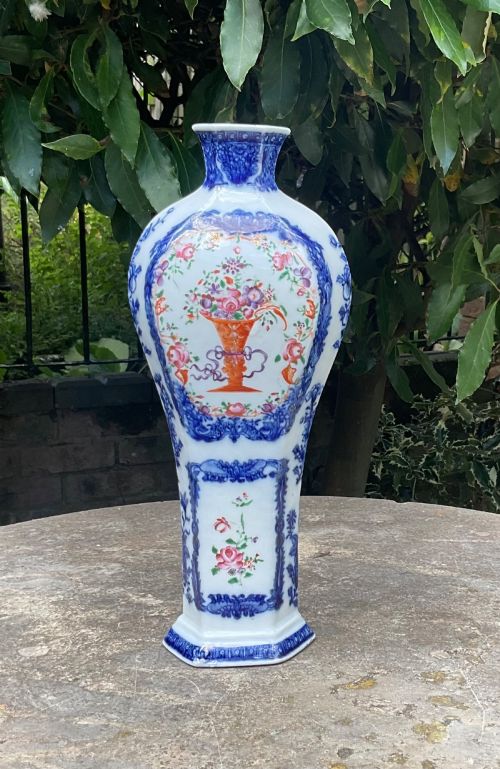
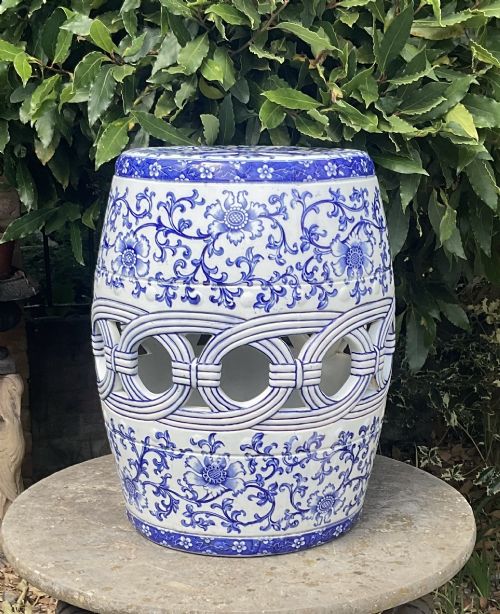
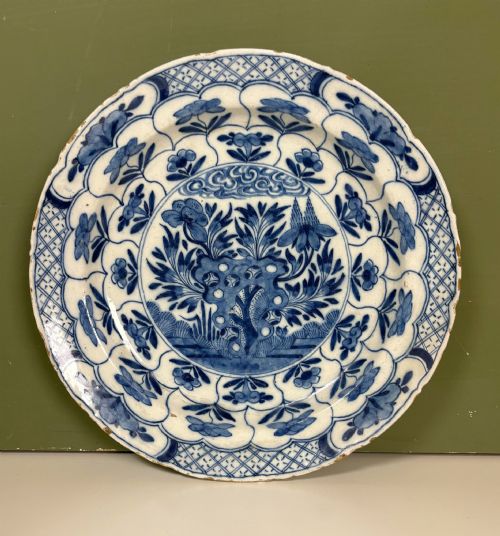
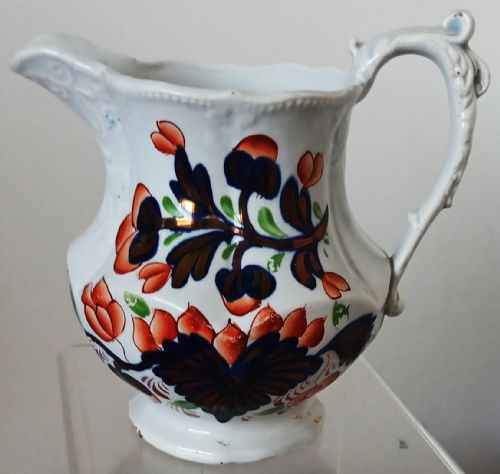
Blue floral pottery brings together centuries of ceramic vessels, jugs, plates, and vases decorated with botanical motifs and painted blue ornamentation. When browsing blue floral pottery, buyers encounter items ranging from early Delftware and ironstone to Victorian transferware and Japanese Imari porcelain.
How They Were Made
Makers shaped earthenware, stoneware, and porcelain bodies before applying cobalt blue pigments and polychrome enamels beneath or over the glaze. Many examples utilise transfer printing techniques to transfer intricate patterns onto the ceramic surface prior to firing.
Finishing touches often involve applied gilding, gold leaf, or hand-painted details over tin glazes, particularly in European faience and English ironstone production.
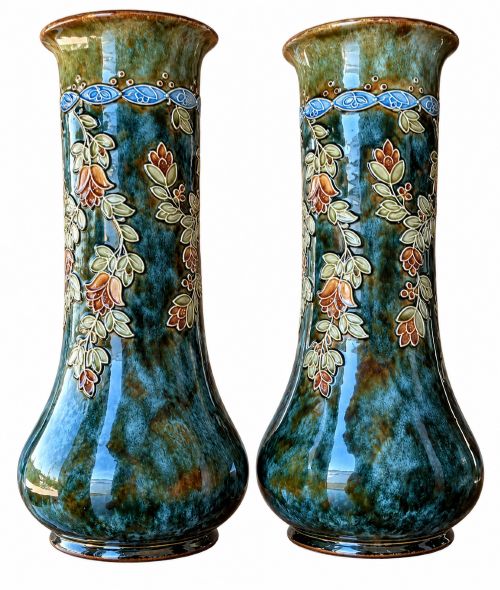
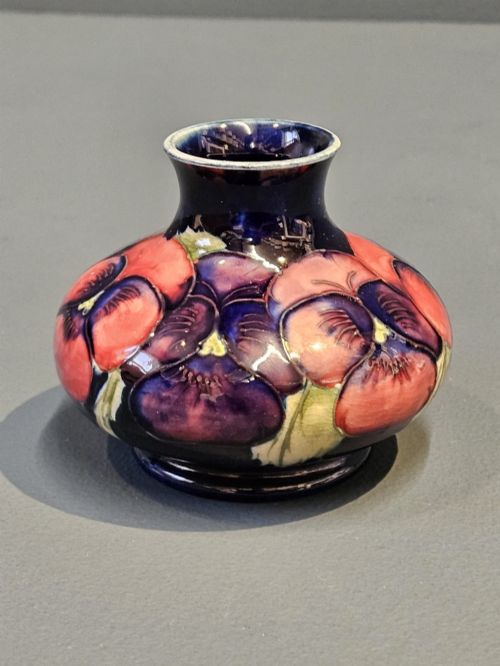
Vases, jugs, decorative plates, and garden seats represent the primary object types found in this category.
What Varies in Quality
The distinction between ordinary and superior pieces rests on the crispness of the transfer print and the skill of the brushwork in hand-painted details. Finer items display precise registration of patterns, well-balanced forms, and deep, consistent cobalt tones without blurring or running.
Provenance and attribution to notable potteries or specific decorators elevate certain examples significantly. Condition of the glaze, stability of applied gold leaf, and overall crispness of the ceramic moulding further differentiate standard utility wares from exhibition pieces.
Royal Doulton·Moorcroft·Minton·John Rogers and Son·James Wallace and Co
The Blue Floral Pottery Glossary
- Delftware
- Tin-glazed earthenware produced in England and the Netherlands, typically featuring white surfaces painted in cobalt blue. It emerged during the seventeenth century.
- Transferware
- Pottery decorated by applying a paper transfer from an engraved copper plate onto the ceramic body. This technique allowed intricate repeating patterns to cover complex vessel shapes.
- Imari
- A style of Japanese porcelain featuring dense underglaze blue and overglaze iron red, green, and gold. European factories frequently copied these distinctive palettes.
- Ironstone
- A heavy, durable type of earthenware patented in the nineteenth century. It bridges the gap between common pottery and true porcelain.
- Faience
- European tin-glazed earthenware, particularly associated with French and Dutch production. The technique creates an opaque white background for painted decoration.
Blue Floral Pottery: Frequently Asked Questions
How do I date blue floral pottery?
Dating relies on examining the ceramic body, glaze characteristics, and potting techniques. Transfer-printed patterns often point towards specific nineteenth-century manufacturing decades.
Maker marks, impressed ciphers, and registration numbers found on the base provide precise chronological anchors for many pieces.
Are these items suitable for daily use?
Many historical vessels and plates served utilitarian purposes in period households. However, delicate glazes and age-related wear require careful handling today.
Displaying decorative chargers, vases, and basins keeps them safe from the rigours of modern dishwashers and heavy kitchen use.
What is the difference between earthenware and porcelain?
Earthenware is a porous, opaque ceramic body fired at lower temperatures. It forms the foundation for much traditional Delftware and transfer-printed tableware.
Porcelain is vitrified, dense, and often translucent, created from fine clays fired at much higher heats to produce a resonant, glass-like material.
How should I clean antique pottery?
Dusting with a dry, soft cloth removes everyday surface particles without risking moisture damage to fragile antique surfaces. Avoid chemical cleaners and prolonged soaking.
If washing is essential, use tepid water and mild soap, ensuring the piece dries completely afterwards to protect older crazed glazes.