



Blue Coastal Landscape Art
Blue coastal landscape art captures the changing moods of the sea and shore across centuries of painting traditions.
Blue Coastal Landscape Art
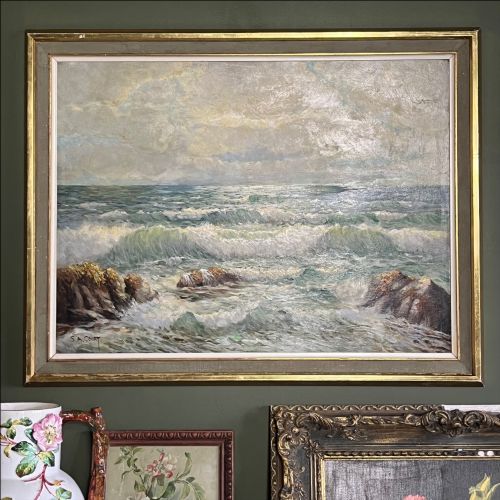
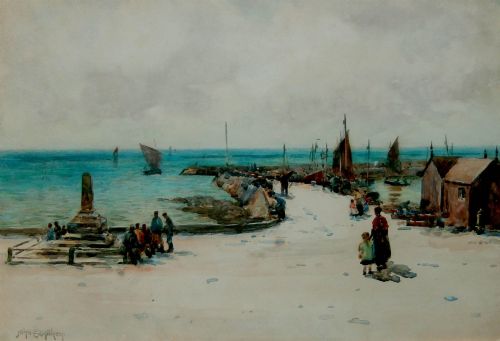
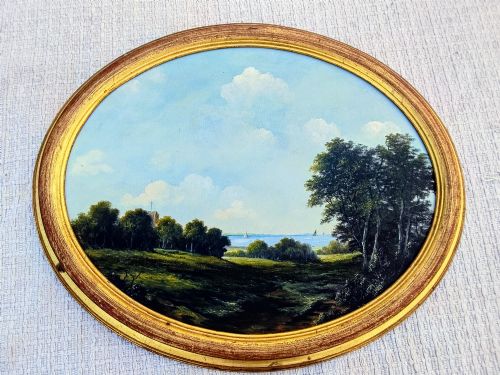
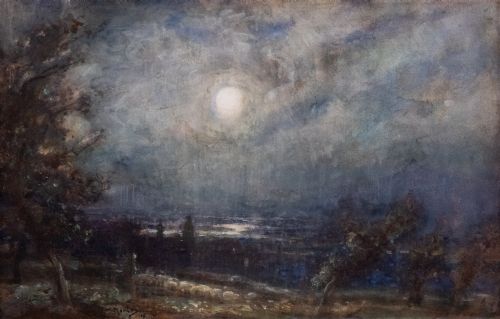
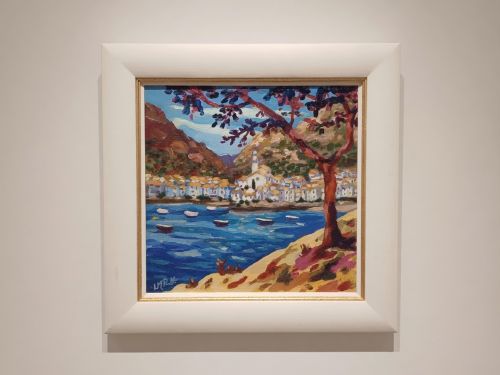
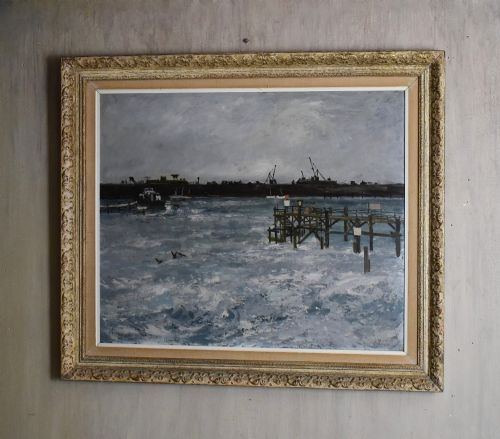
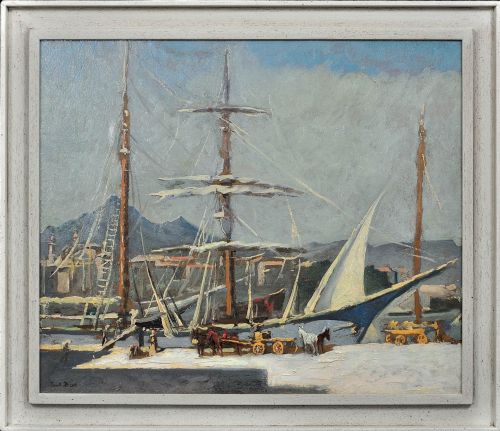
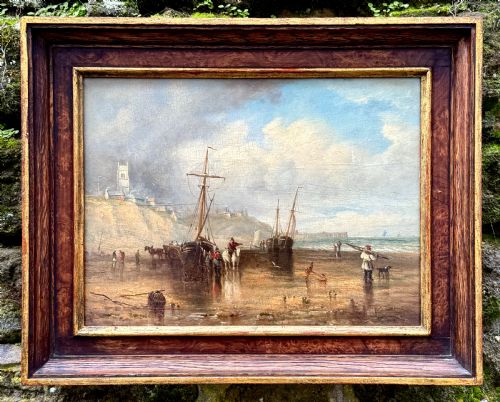
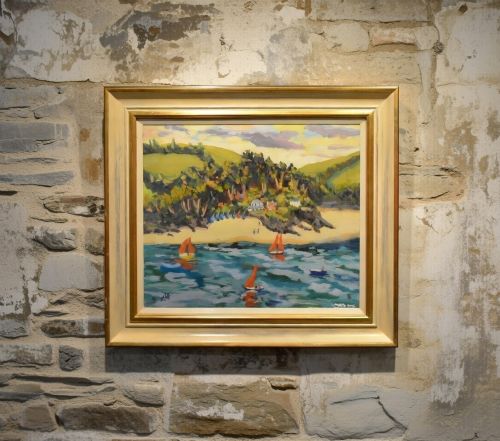
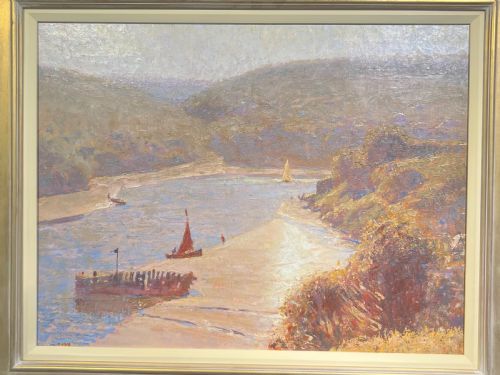
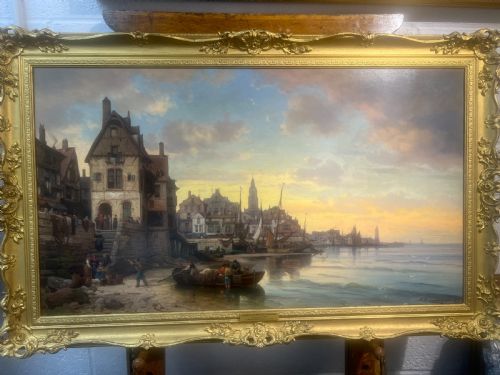
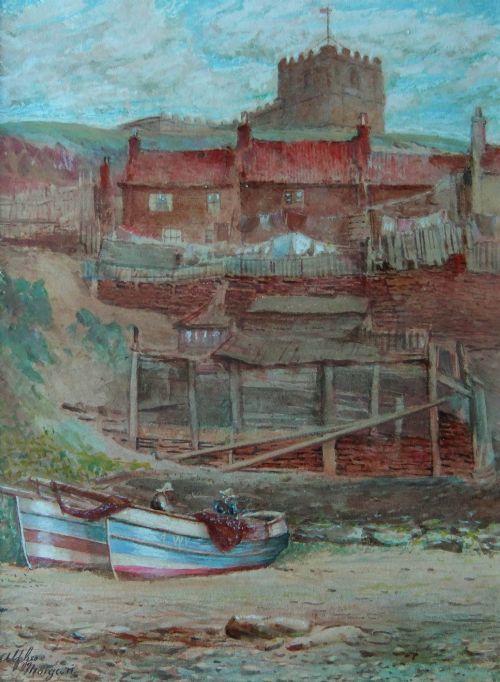
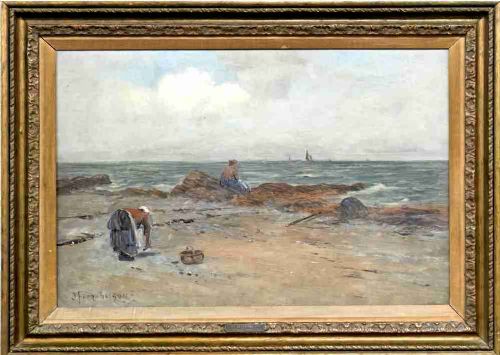
Collectors seeking blue coastal landscape art will encounter paintings depicting harbours, cliffs, fishing boats, and shorelines from various periods.
The selections available range from nineteenth-century British watercolours to mid-century oil paintings and impressionist works.
These pieces record maritime scenes, coastal architecture, and open waters through the eyes of artists working on location or in studios.
Materials and Techniques
Artists utilised watercolour pigment and oil paint applied to paper, canvas, or wood panels to capture light and atmosphere.
Many nineteenth-century and early twentieth-century works employ watercolour on paper for delicate washes of sky and sea.
Later pieces frequently turn to oil on canvas or oil paint applied en plein air to build textured surfaces and deep marine hues.
Blue Coastal Landscape Art Retail Price Guide 2026
Typical asking prices for blue coastal landscape art among the pieces listed under this phrase on Sellingantiques today, from the lower quarter to the upper quarter. They describe what is for sale here now, not the wider market.
Materials recorded across the inventory include paper, wood panels, canvas, oil paint, watercolour pigment, and glass.
Assessing Quality
Quality rests upon the artist's handling of natural light, atmospheric perspective, and the movement of water.
Stronger examples demonstrate confident brushwork and precise tonal control, particularly in capturing reflective surfaces on the sea.
The strength of composition and the fidelity of the coastal atmosphere distinguish finer paintings from routine topographical sketches.
James Orrock·Sidney A Court·John E Aitken·William Banks Fortescue·Thomas William Morley·Lucy Pratt·Peter Brannan·Paul Bret·Bernard Benedict Hemy·Thomas Creswick·Charles Euphraisie Kuasseg·Alfred G Morgan·Joseph Farquharson·Carlo Ferranti·William Matthison·William Henry Williamson·Frank Kelsey·Walter Goodin·Henry Barlow Carter·F A Roylance·George F Pennington·William Frederick Settle·Lionel Horsnell·Raymond Moritz·Joseph Edward Hennah
The Blue Coastal Landscape Art Glossary
- En plein air
- Painting executed outdoors to capture direct observations of natural light and weather. This practice became central to impressionist landscape traditions.
- Watercolour
- A paint consisting of colorants suspended in a water-soluble vehicle, typically applied to paper. It allows for transparent washes and luminous effects.
- Impasto
- Paint applied thickly to a canvas, standing out from the surface and retaining the marks of the brush or palette knife. This technique adds tactile depth to water and rocks.
- Seascape
- A work of art depicting the sea, coastal views, or marine vessels. These compositions focus primarily on maritime environments rather than inland terrain.
Blue Coastal Landscape Art: Frequently Asked Questions
How do I date a coastal watercolour?
Dating often relies on signature styles, artist biographical dates, and framing materials characteristic of specific decades. Paper quality and mounting techniques also provide clues regarding the period of execution.
Comparison with documented works by the same artist helps narrow down the active painting window.
Where were these maritime scenes painted?
Artists travelled to active fishing ports, dramatic cliffs, and quiet estuaries along British, French, Mediterranean, and Scandinavian shores. Locations like Cornwall, Yorkshire, and Normandy appear frequently in the record.
Many of these sites were chosen for their distinct light and maritime activity.
How should I frame an antique oil painting?
Selecting a frame contemporary to the painting or matching the period style ensures historical harmony. Gilded wooden frames often complement the rich pigments of nineteenth-century marine oils.
Conservation framing protects the canvas or paper from environmental degradation while enhancing the visual presentation.
What is the difference between oil and watercolour marines?
Watercolour marines typically offer translucent washes and rapid execution, capturing fleeting atmospheric effects. Oil paintings provide richer texture, deeper colour saturation, and greater durability.
Both mediums served artists attempting to render the changing moods of the sea.