


Blue Canvas Oil Artwork
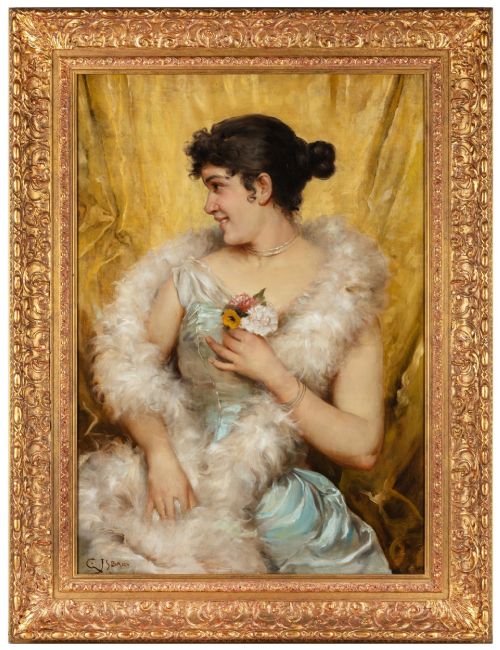
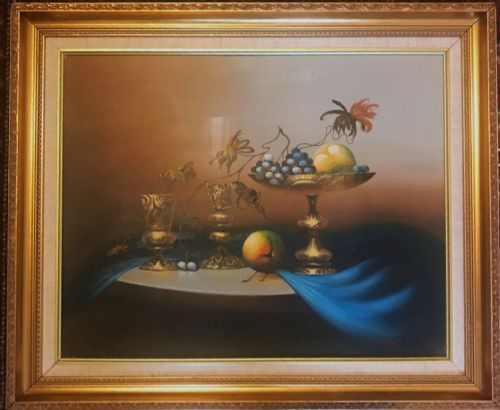
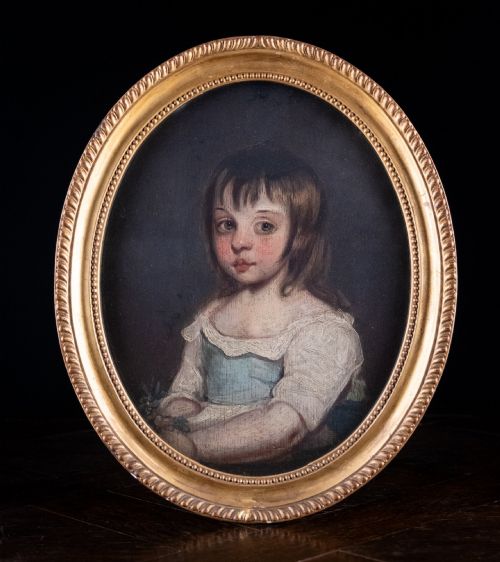
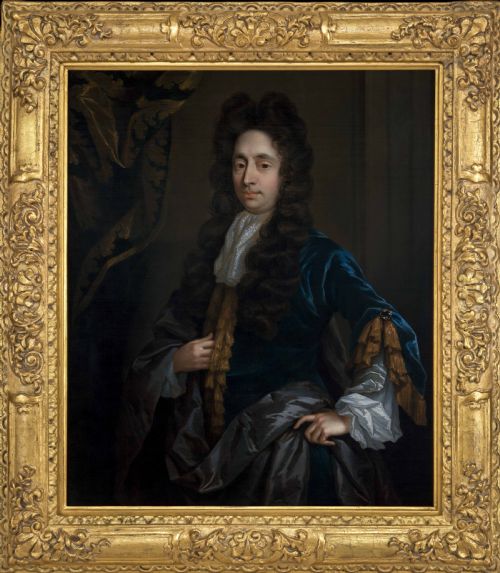
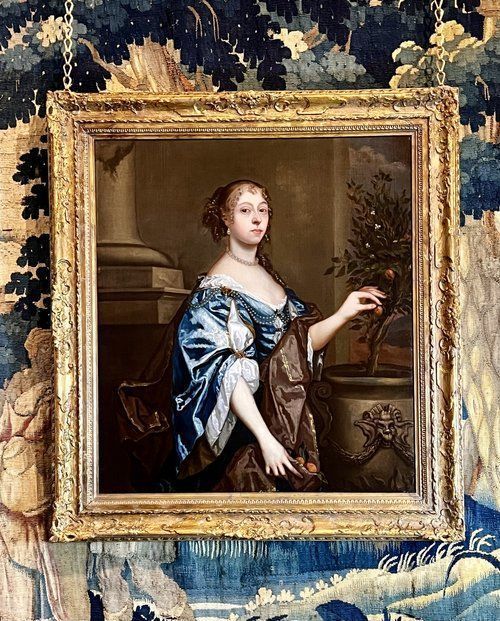
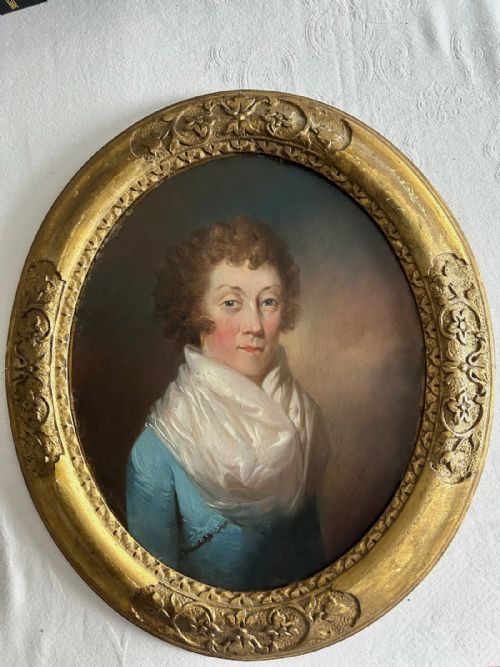
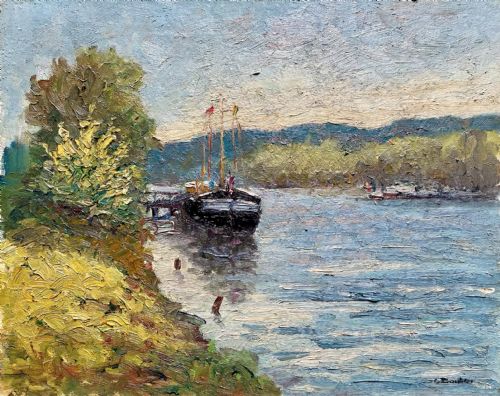
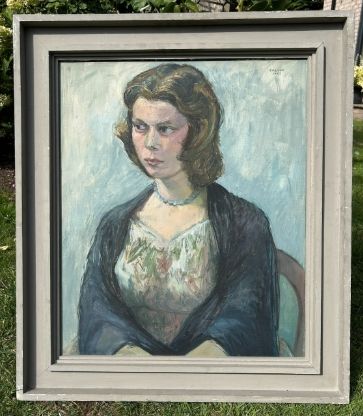
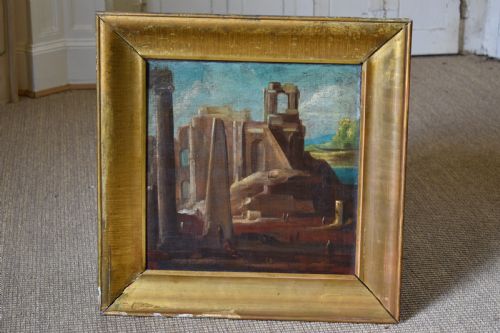
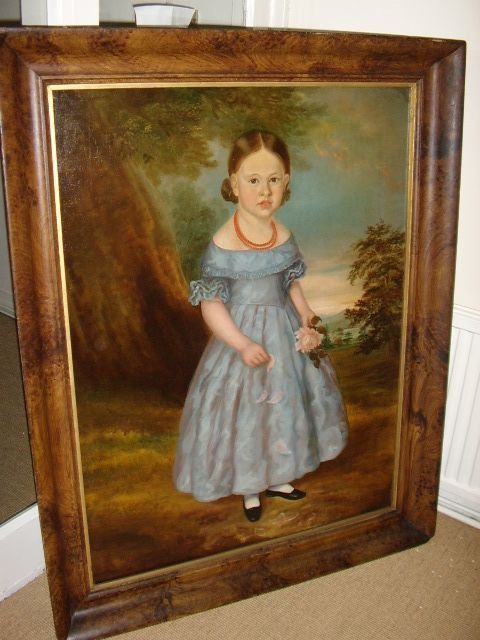
These pieces of blue canvas oil artwork combine painted pigment with woven fabric support, offering collectors works ranging from seventeenth-century portraiture to mid-century coastal views.
Blue Canvas Oil Artwork
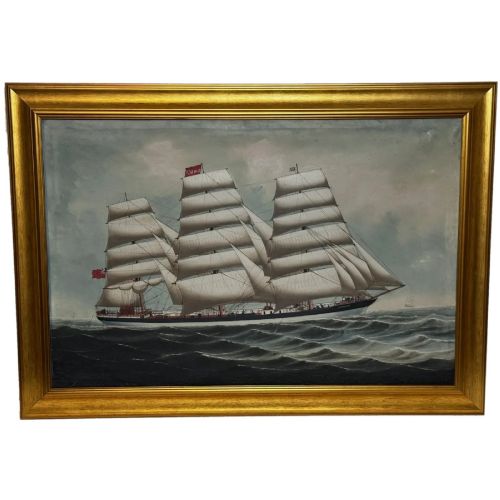
When you search for blue canvas oil artwork, you encounter framed paintings produced across several centuries, stretching from the seventeenth century through the Victorian period and into the twentieth century. The selection encompasses portraits, maritime scenes, landscapes, and still life compositions.
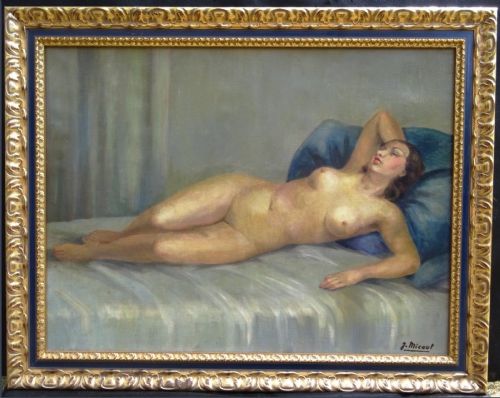
The most common examples on this page date from the nineteenth and twentieth centuries, including Georgian portraits and mid-century post-impressionist views. These items span British, French, and Italian schools, utilising traditional canvas supports.
Materials and Technique
The primary materials recorded in these listings are oil paint applied to woven canvas, occasionally supported by wood or framed with gilt wood mouldings. Painters built up pigment in layers to achieve depth, tone, and texture across the surface.
Framing often involves giltwood or carved wood surrounds that complement the period of the painting. The combination of oil medium and fabric support allows for lasting colour retention and stability.
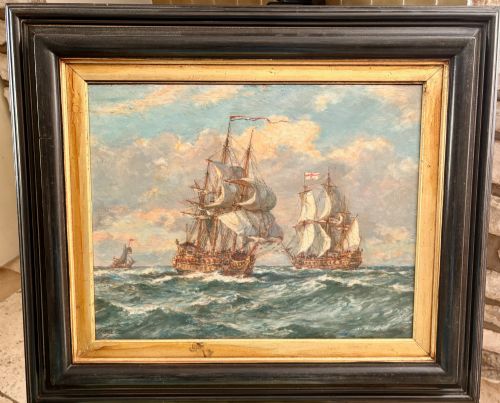
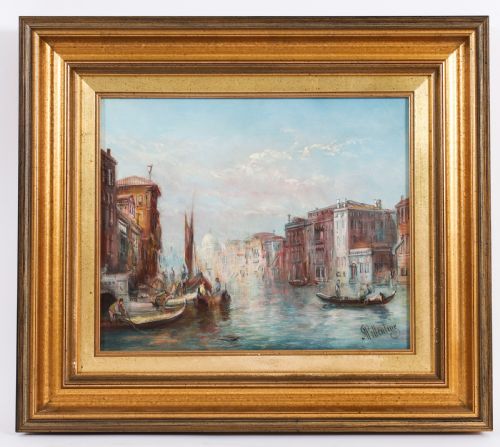
Several canvases record specific maritime adventures, including a nineteenth-century view of ships near Trafalgar and vessels off the coast of Italy.
Evaluating Quality
Quality in these paintings rests upon the confidence of the brushwork, the handling of light and shadow, and the proportion of the composition. Stronger pieces display assured draftsmanship and a harmonious palette, particularly in complex subjects like marine views or formal portraits.
The distinction between standard decorative works and finer examples lies in the artist's ability to render detail and atmosphere. The preservation of the original canvas and the integrity of the paint layer also define the standing of a piece.
Jozsef Molnar·Constantyn Netscher·Pieter Borsseler·Bernard Gribble·Alfred Pollentine·Robert Byng·Lucy Pratt·Peter Brannan·Francis Moltino·Paul Bret·Bernard Benedict Hemy·Thomas Creswick·Albert Bierstadt·Francis Hayman·Charles Stuart Forbes·Alfred Wolmark·Eric Brown·Harry Kluge·Ian Parker
The Blue Canvas Oil Artwork Glossary
- Oil on Canvas
- A painting technique where pigments suspended in drying oils are applied to a woven fabric support. This method became dominant from the Renaissance onward for its durability and flexibility.
- Giltwood
- Wood that has been coated with a thin layer of gold leaf or gilt powder. It is frequently used for period picture frames.
- Post-Impressionism
- An art movement developing roughly from the late nineteenth century that extended impressionism while rejecting its limitations. Artists focused on heavier brushstrokes and symbolic use of colour.
- Marine Art
- Genre of art that depicts ships, sea views, and maritime activities. These works span naval history and coastal landscape traditions.
Blue Canvas Oil Artwork: Frequently Asked Questions
How do I date an oil painting on canvas?
Dating relies on stylistic clues, the composition of the canvas weave, and the stretcher frame construction. Earlier works often exhibit hand-woven linen supports and distinct historical pigments.
Secondary evidence such as artist signatures, old labels, and framing details help narrow the period of production. Comparison with documented works by the same school provides further verification.
How should I care for an oil painting?
Protect the canvas from direct sunlight, extreme temperature fluctuations, and high humidity. Display the piece in a stable environment away from heat sources to prevent cracking.
Dust the surface gently with a soft, dry brush without applying pressure. Avoid using liquid cleaners or chemical solvents on the paint layer.
What is the difference between an oil painting and a print?
An oil painting is a unique handmade work created by applying wet paint directly onto a canvas support. Under magnification, the raised texture of the brushstrokes is visible.
Prints are mechanical or digital reproductions that lack the physical impasto and layered depth of original pigment. Original works show individual artist marks rather than dot patterns or flat surfaces.