




Impressionist Harbour Artwork
Impressionist harbour artwork captures bustling ports and coastal light through loose brushwork and atmospheric colour.
Impressionist Harbour Artwork
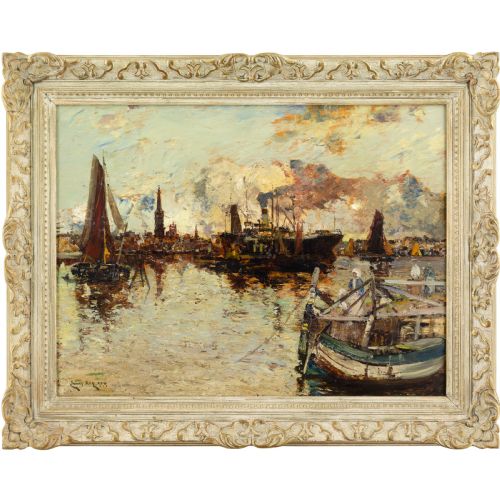
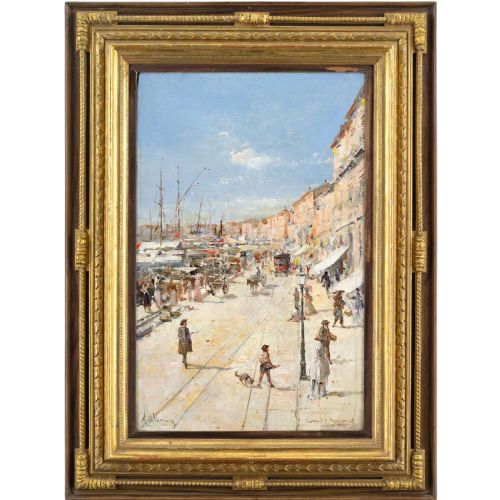
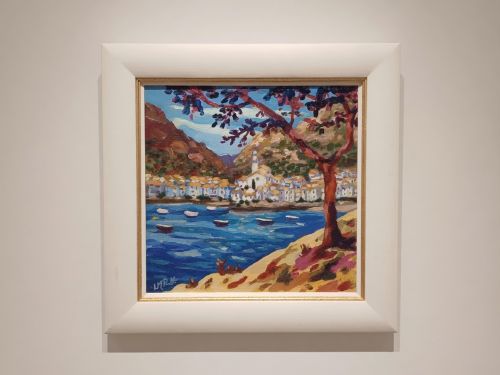
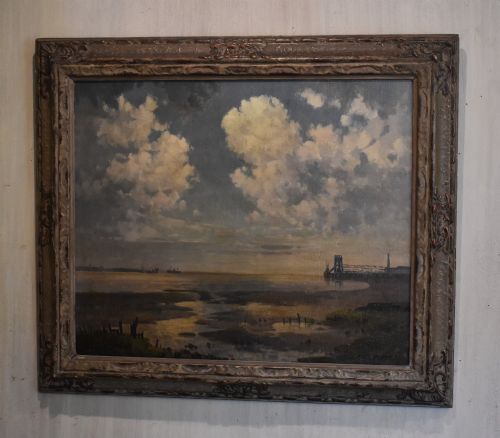
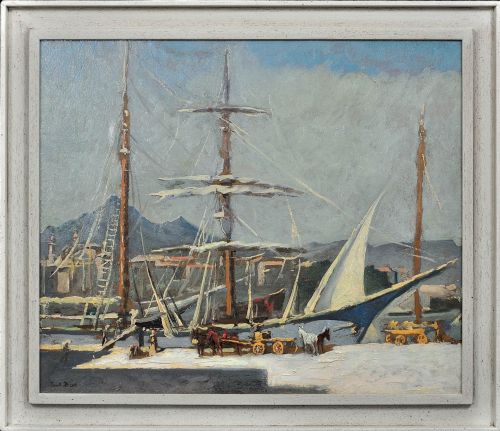
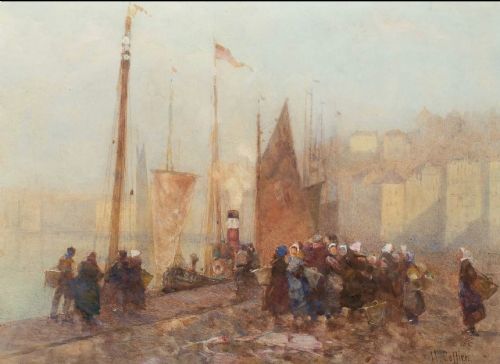
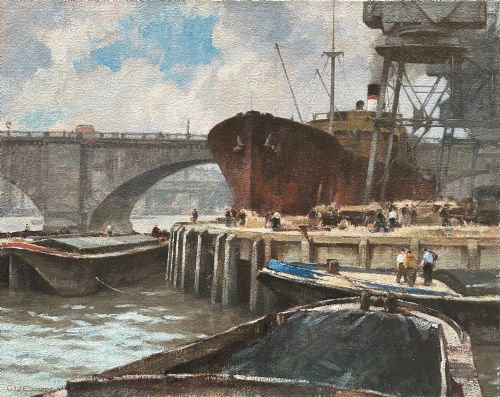
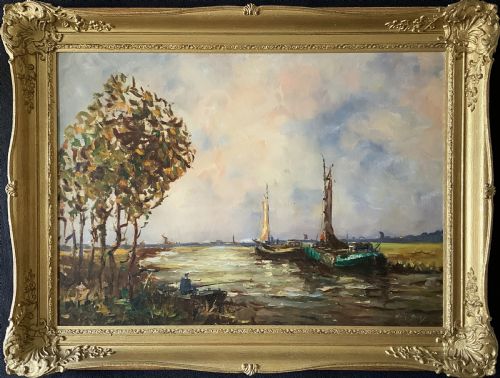
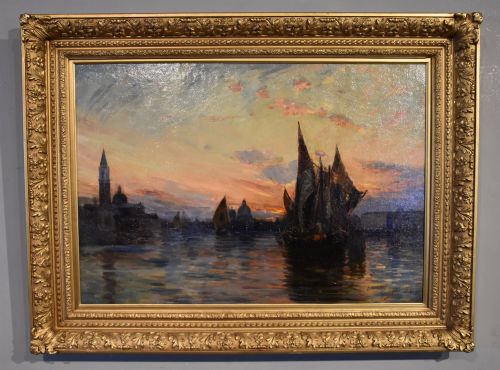
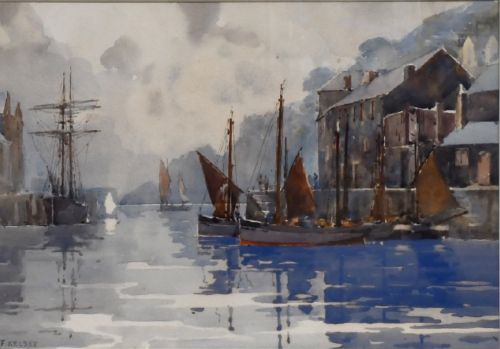
An impressionist harbour artwork records maritime activity and coastal architecture using visible brushstrokes and a focus on natural light. These pieces range from nineteenth-century watercolours of English fishing ports to mid-century oil paintings of French and Mediterranean quays.
Buyers seeking this phrase encounter coastal scenes dominated by moored vessels, tidal estuaries, and busy quaysides. Works emerge from established regional traditions such as the Newlyn School and British Impressionism, alongside continental European output.
Formats span framed oil paintings on canvas and wood panels alongside delicate watercolours on paper. Dates stretch from the nineteenth century through the Edwardian era into the nineteen-fifties and sixties.
Materials and technique
Artists painted primarily with oil paint or watercolour, applying pigment to stretched canvas, wooden panels, or heavy paper. Watercolours rely on washes and fluid brushwork on paper, while oils utilise thick impasto and layered brush application to build texture.
Surviving works frequently retain original gilt wood framing that complements the palette of the canvas. Pigments capture changing atmospheric conditions through broken colour rather than blended transitions.
Listings feature canvas, wood, and paper supports painted in oil and watercolour across British and continental European schools.
Variations in quality
Quality rests upon the artist's command of light and atmospheric perspective within the coastal setting. Superior examples convey movement in water and air through confident, purposeful brushwork rather than rigid draughtsmanship.
Compositional strength and the handling of tone differentiate accomplished works from routine topographical views. The integration of maritime elements into the broader play of light determines the enduring visual power of each piece.
Eugène-Louis Gillot·William Banks Fortescue·James Kay RSW·Augusto Alberici·Hector Caffieri·Frank Kelsey·Paul-Jean Anderbouhr·Jean-Baptiste Olive·Raymond Picque·William Lee Hankey·Fred Pailhes·Fred Lawson·Arthur Tucker·Owen Bowen·Frederick Stuart Richardson·Ralph Todd
The Impressionist Harbour Artwork Glossary
- Impressionism
- A nineteenth-century painting style focusing on the accurate depiction of light and its changing qualities. Practitioners prioritised open-air painting and rapid brushstrokes.
- Post-Impressionism
- An art movement extending impressionist techniques while rejecting its limitations for more expressive forms and structures. Artists emphasised symbolic content and heavier outlines.
- Impasto
- The process of applying paint thickly on a canvas so that it stands out from the surface. This technique preserves the physical gesture of the brush.
- Watercolour
- A painting method in which the paints are made of pigments suspended in a water-based solution. The medium relies on the white of the paper to provide luminosity.
Impressionist Harbour Artwork: Frequently Asked Questions
What periods do these paintings date from?
The selection spans from the late nineteenth century through the Edwardian period and into the mid-twentieth century.
Works capture evolving regional styles across these decades without relying on a single uniform era.
How should I care for an oil painting?
Keep the canvas away from direct sunlight and extreme fluctuations in temperature and humidity.
Dust the surface gently with a soft, dry brush and avoid using chemical cleaning solutions.
What subjects appear in these scenes?
Compositions feature fishing boats, quaysides, tidal estuaries, and bustling European ports from Venice to Normandy.
Coastal landscapes highlight maritime trades and the daily rhythm of harbour life.
How do watercolours differ from oils here?
Watercolours utilise translucent washes on paper to capture light, requiring protective glass framing.
Oil paintings employ heavier pigments on canvas or wood, offering greater texture and depth.