



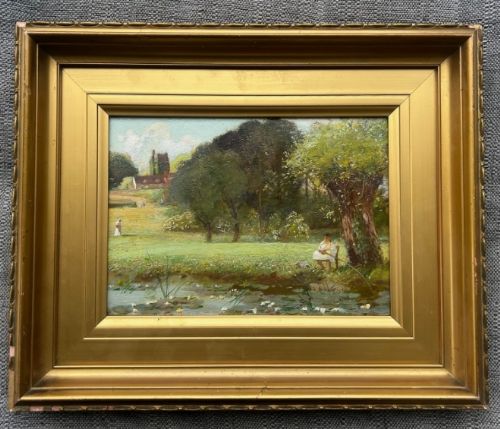
British Artist Oil Painting
A british artist oil painting brings domestic landscapes and portraits into a room with the rich textures of canvas and wood.
British Artist Oil Painting
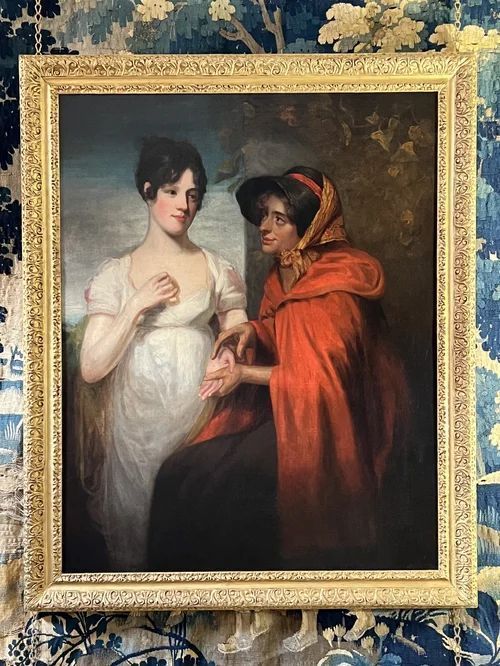
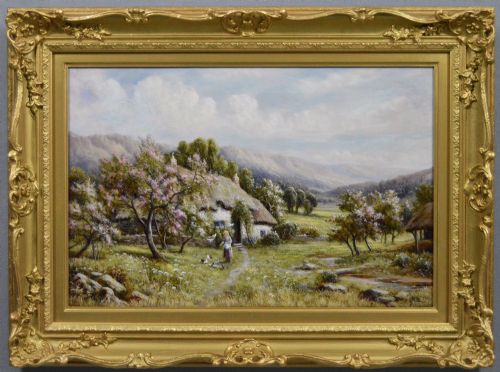
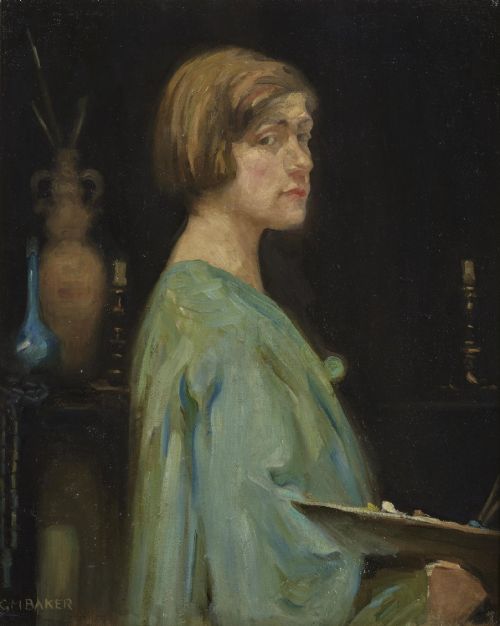
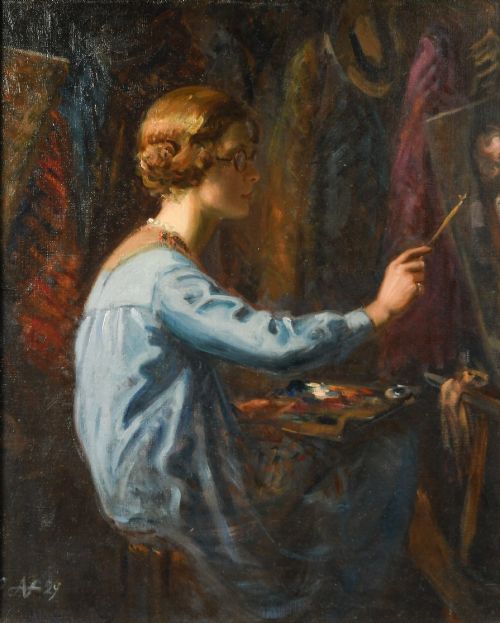
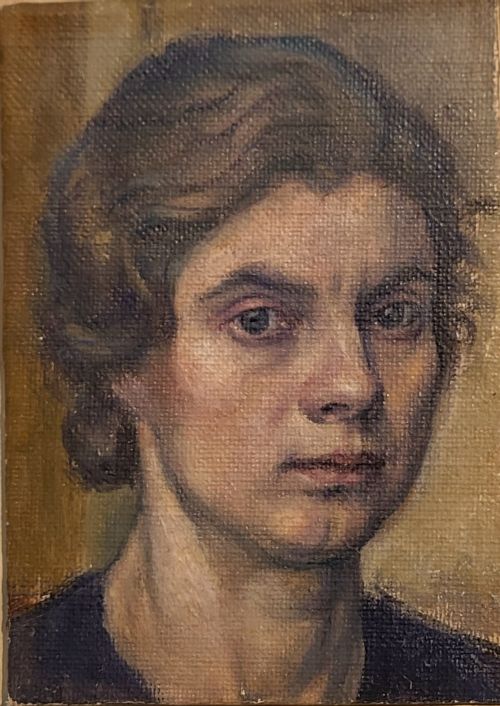
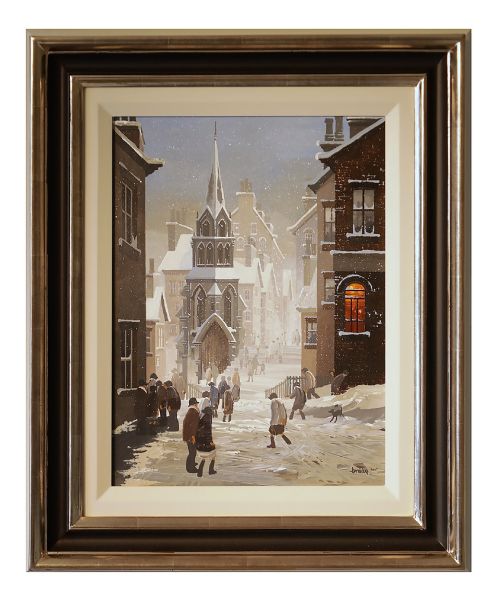
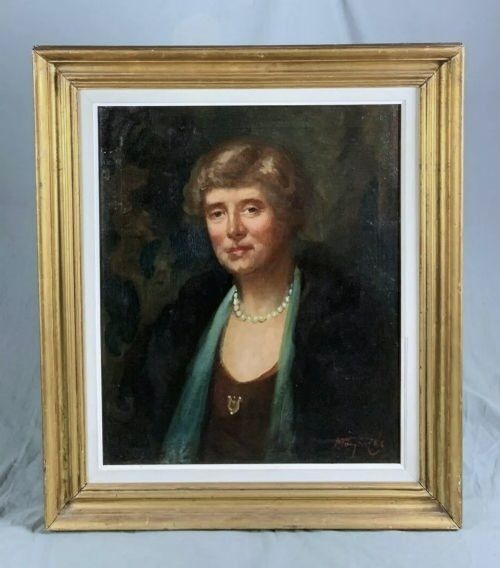
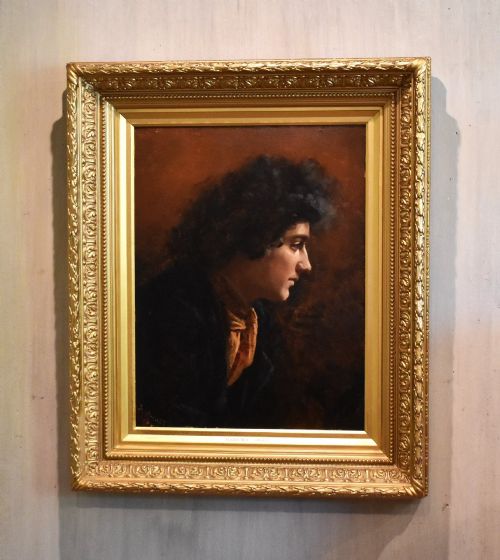
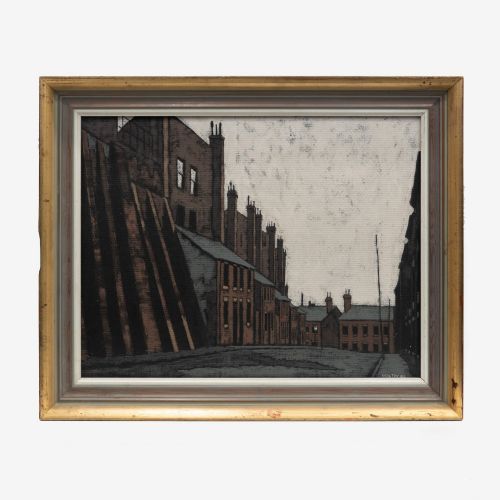
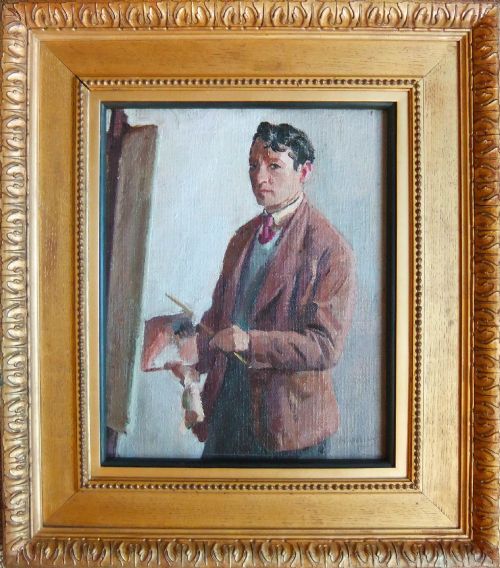
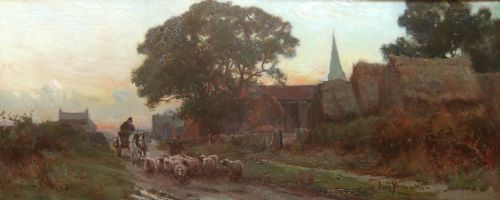
A british artist oil painting captures scenes ranging from Georgian genre works and Victorian rustic views to mid-century St Ives compositions and modern self-portraits. Buyers searching this phrase look for signed or attributed works created within the British tradition across the eighteenth, nineteenth, and twentieth centuries. The selection on this page relies heavily on nineteenth-century landscapes and twentieth-century school pieces executed on canvas or board.
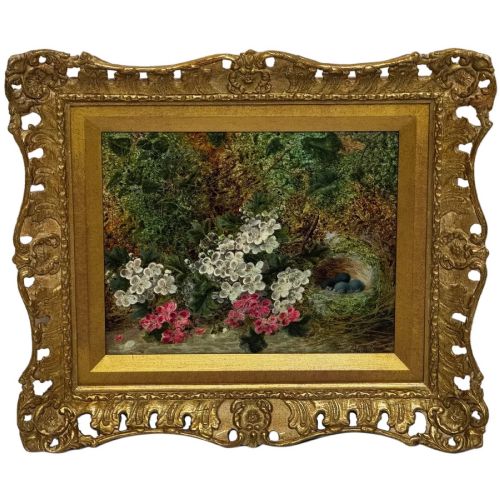
Portraits, still lifes of fruit and blossoms, and river views form the core subjects found in this category. Artists captured industrial yards, coastal cottages, and quiet inland waters using traditional mediums that survived decades in original frames. These works reflect the shifting academic and impressionistic movements that defined British art over three centuries.
Materials and technique
Painters applied oil paint using brushes and palette knives onto prepared supports of woven canvas, rigid wood panels, or pressed board. Many works incorporate gesso grounds beneath the pigment layers to seal the support and brighten the surface tones. Frames constructed from carved wood and giltwood often accompany the canvases.
The technique relies on the slow drying time of oil pigments, allowing artists to blend tones and build impasto texture across the surface. Stretched canvas on wooden frames dominates the earlier periods, while wood panel and board supports appear frequently in twentieth-century examples.
Materials recorded include oil paint, canvas, gesso, and giltwood frames spanning multiple British artistic movements.
Distinctions in quality
Quality rests upon the artist's handling of light, brushwork confidence, and compositional balance rather than the subject matter alone. Works by Royal Academy members or regionally notable school painters demonstrate superior command of tone and perspective compared to anonymous studio copies. The preservation of the original pigment layer without extensive overpaint distinguishes the finest survivals.
The integrity of the support and the framing also influence the standing of a piece. Canvases retaining their original tension and boards free from warping hold their visual power more effectively. Original gilt frames that complement the era of the painting elevate the overall integrity of the work.
JOHN OPIE R.A·Oliver Clare·Robert John Hammond·Gladys Marguerite Baker·Brian Shields Braaq·Charles James McCall·Florence Small·Stuart Walton·Philip Naviasky·Hubert Wellington·Owen Bowen·Joan Gillchrest·Denis Mitchell·Barbara Hepworth·Sir David Murray·Allan Douglas Davidson·William JB Jenkins·George Vicat Cole·Frederick W Jackson·Vincent Clare·Benjamin Williams Leader·Ronald Ossory Dunlop·James Proudfoot·Joseph Farrington·Stuart Armfield
The British Artist Oil Painting Glossary
- Impasto
- Paint applied thickly to a canvas or board, standing out in relief from the surface and catching the light. This technique adds physical depth and visible texture to brushstrokes.
- Gesso
- A paint mixture consisting of a neutral binder mixed with chalk, gypsum, or pigment used to prepare wood or canvas surfaces. It provides a smooth base for oil painting.
- Giltwood
- Wood carved and coated with gold leaf or a gold-coloured metallic finish. It was standard for framing fine paintings during the Victorian and earlier eras.
- Provenance
- The documented history of ownership of a painting, establishing its authenticity and origin. Studio sales often provide direct provenance from the artist's estate.
- Genre painting
- A pictorial representation of scenes from everyday life, involving ordinary people engaged in domestic activities or leisure. These works capture social history alongside artistic skill.
British Artist Oil Painting: Frequently Asked Questions
How do I clean an oil painting safely?
Dust surfaces gently with a soft dry brush without applying moisture or pressure. Professional conservators should handle any deeper cleaning to protect the fragile pigment layers.
Avoid using household cleaners, water, or solvents on historical canvases. These substances can strip the original varnish and ruin the underlying oil paint.
What is a British school painting?
The term describes works created by artists trained or working within Britain whose specific identities remain unrecorded or general. These pieces reflect the dominant regional styles of their particular decade.
Such works offer an authentic window into period techniques without the premium attached to a documented signature. They demonstrate the high baseline of competence among working artists of the era.
How do I identify the date of a canvas?
Examine the stretcher bars, nails, and canvas weave for manufacturing clues characteristic of specific decades. Artist signatures combined with stylistic dress or architecture provide strong chronological hints.
Exhibition labels or handwritten inscriptions on the reverse of the board or stretcher often record precise dates. Comparing the handling of paint to known dated works by the same school offers further confirmation.