





Blue and White Dish
A blue and white dish brings centuries of ceramic artistry to the table, offering practical service alongside hand-painted cobalt scenes.
Blue and White Dish
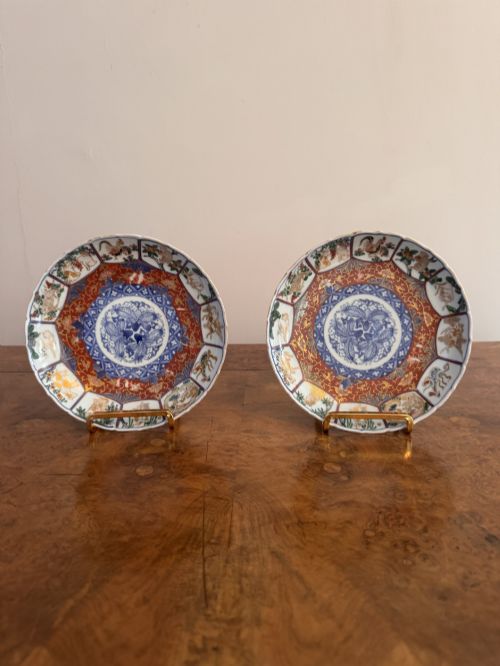
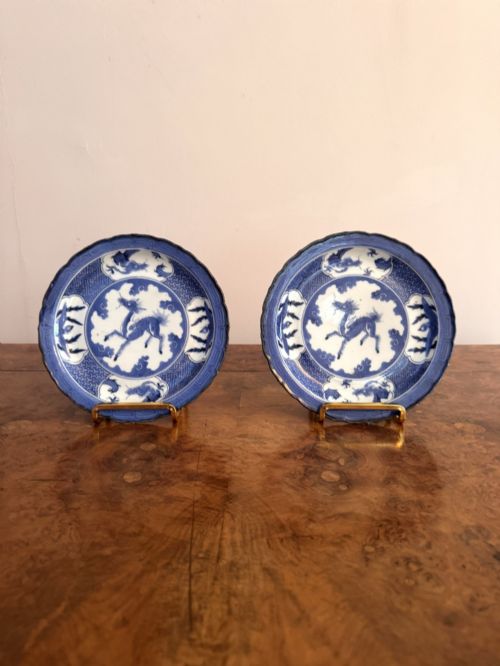
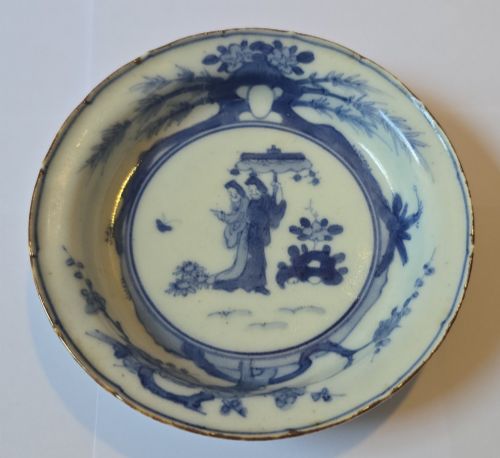
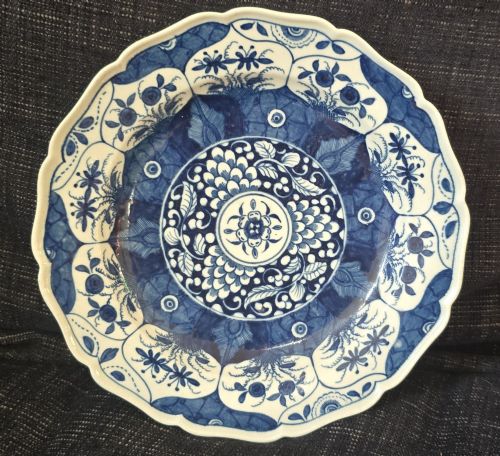
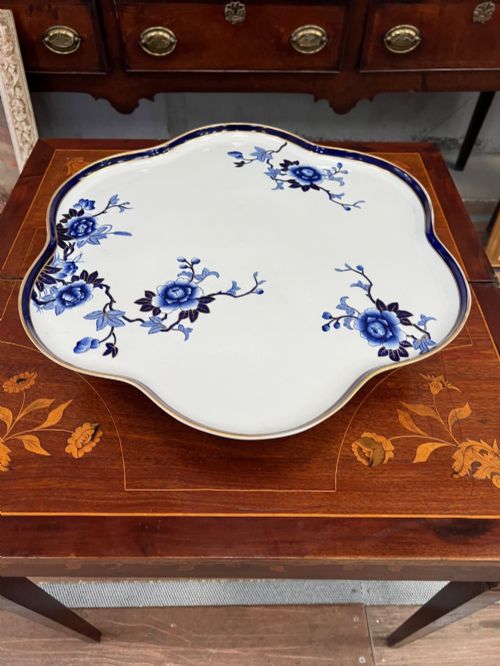
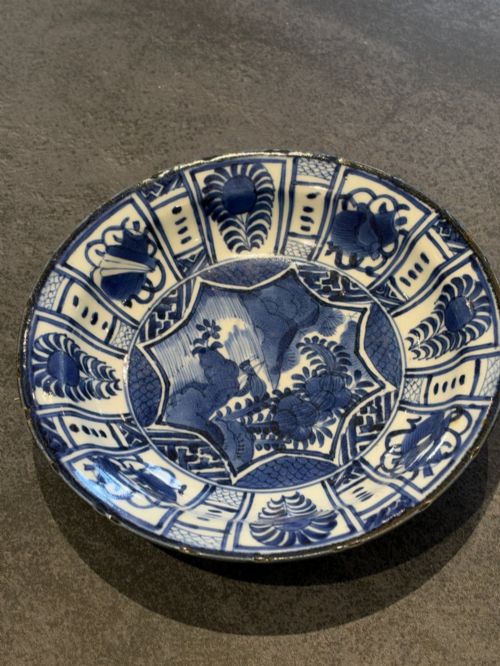
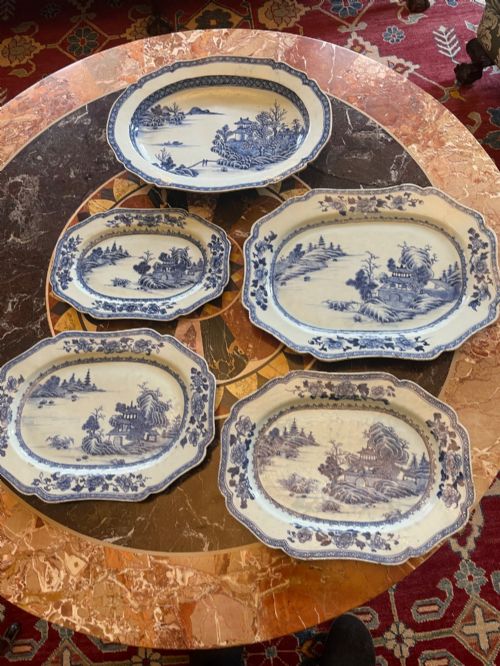
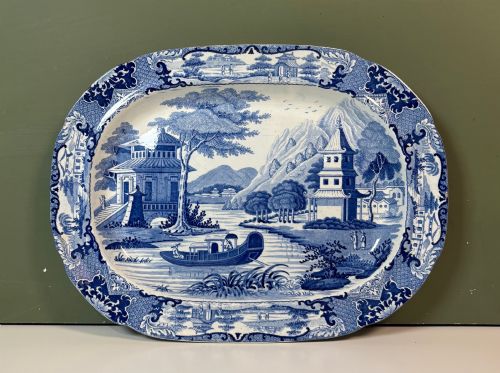
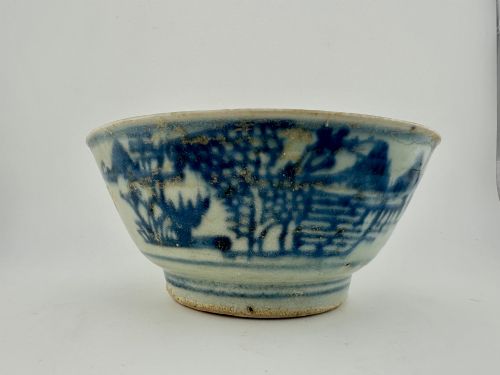
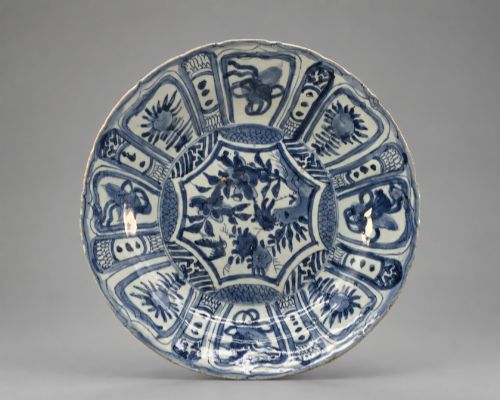
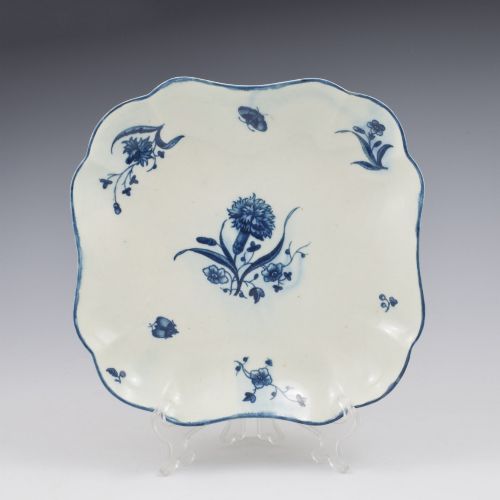
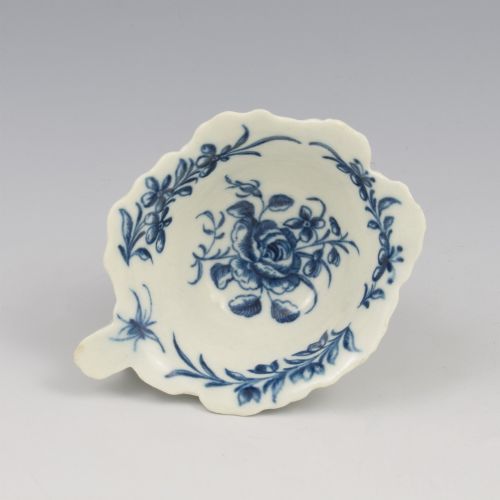
A blue and white dish encompasses everything from shallow pickle dishes and dessert plates to large meat platters, chargers, and tureens. These pieces span centuries of production, originating from English potteries, European factories, and Asian kilns. The selection ranges from delicate soft-paste porcelain to sturdy earthenware and tin-glazed delftware.
Buyers browsing this page frequently encounter 18th-century English transferware platters alongside Chinese export porcelain and Dutch or English delft chargers. Forms vary from simple lobed bowls and octagonal plates to specialised cheese dishes and handled sauce tureens. Each object reflects the prevailing taste of its period, moving from Asian botanical and figural motifs to pastoral European landscapes.
Materials and Technique
Potters applied cobalt pigment beneath a clear glaze or directly onto tin enamel before firing the ceramic body at high temperatures. This mineral pigment reacts to kiln heat by turning a deep, stable blue against a white ground.
Makers utilised soft-paste porcelain, hard-paste porcelain, and earthenware alongside specialised printing techniques and hand-painting. Transfer printing allowed factories to apply intricate pictorial scenes onto plates and platters with mechanical precision.
Blue and White Dish Retail Price Guide 2026
Typical asking prices for blue and white dish among the pieces listed under this phrase on Sellingantiques today, from the lower quarter to the upper quarter. They describe what is for sale here now, not the wider market.
Fish-shaped plates remind us that historical dinners occasionally demanded serving your supper upon an earthenware replica of its own ancestors.
The Measure of Quality
Quality rests in the clarity of the cobalt pigment, the precision of the brushwork or transfer print, and the smoothness of the glaze. Finer pieces display crisp lines and deep tonal variation rather than muddy blurring or pooling in the pigment.
The sophistication of the potting shapes the overall standard, distinguishing mass-produced wares from exceptional factory outputs. Thinly potted porcelain bodies, well-balanced foot rims, and carefully finished edges separate standard domestic vessels from ambitious cabinet pieces.
Spode·Royal Worcester·Davenport·Mintons·Meissen
The Blue and White Dish Glossary
- Cobalt Pigment
- A metallic oxide used under the glaze to produce blue decoration that survives high kiln temperatures. This mineral remains the defining colorant for these ceramics.
- Transferware
- Pottery decorated by pressing a printed paper design from an engraved copper plate onto the ceramic surface. This technique revolutionized ceramic production in the Georgian era.
- Tin-Glazed
- Earthenware coated with an opaque white glaze containing tin oxide, providing a smooth canvas for painted decoration. This technique characterises traditional delftware.
- Soft-Paste Porcelain
- A ceramic composition made from white clay and glass frit, fired at lower temperatures than hard-paste porcelain. It often displays a warm, creamy glaze and fine translucency.
- Charger
- A large decorative plate or platter traditionally used for display or formal service rather than daily dining. These substantial pieces frequently feature elaborate painted or printed scenes.
Blue and White Dish: Frequently Asked Questions
How were these dishes used originally?
Many served practical roles at the dining table, holding meats, vegetables, cheeses, or desserts during formal meals. Larger chargers and platters often anchored the centre of a table or adorned sideboards.
Smaller vessels like pickle dishes and patty pans held condiments or individual portions. Over time, many decorative chargers transitioned entirely to wall display or cabinet storage.
How do I identify transferware periods?
Transfer-printed patterns often incorporate maker marks, registry diamonds, or specific topographical titles on the reverse. Stylistic cues such as border designs and scenic subjects help narrow down the manufacturing decade.
Early 19th-century pieces frequently depict romanticised foreign landscapes or historical events in deep blue tones. Later Victorian examples introduced lighter hues and varied colour palettes alongside industrial factory stamps.
What is the difference between delft and porcelain?
Delftware uses a porous earthenware body covered in an opaque white tin glaze, resulting in a heavier structure with a softer surface. Porcelain employs a vitrified, dense body made from kaolin and petuntse that rings when struck.
Porcelain withstands higher firing temperatures and achieves true translucency where thin. Delftware relies on the absorbent glaze to hold its painted cobalt designs.
Can I use antique dishes for food?
While structurally sound, antique ceramics often feature crazing, hairline cracks, or soft glazes that absorb liquids and harbour bacteria. Historic pigments on early earthenware can also contain trace metals.
Collectors generally preserve these pieces for display, light decorative use, or dry serving rather than daily dining and washing. Hand-washing in lukewarm water without harsh detergents is recommended for occasional cleaning.