
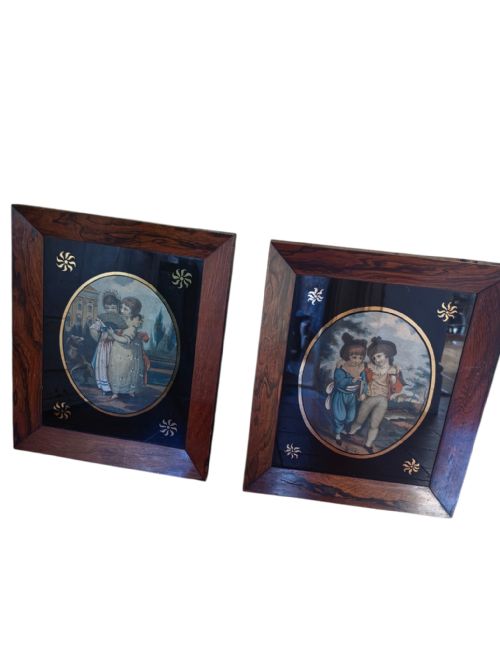
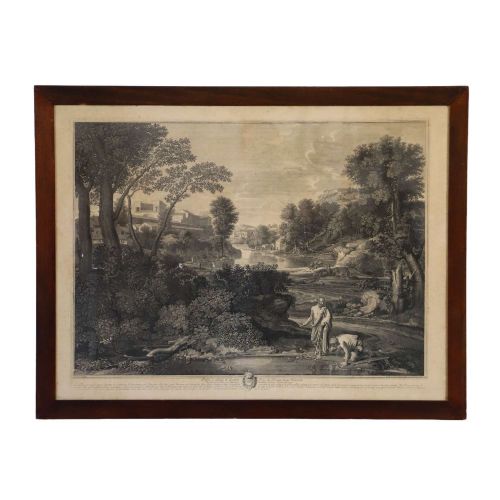
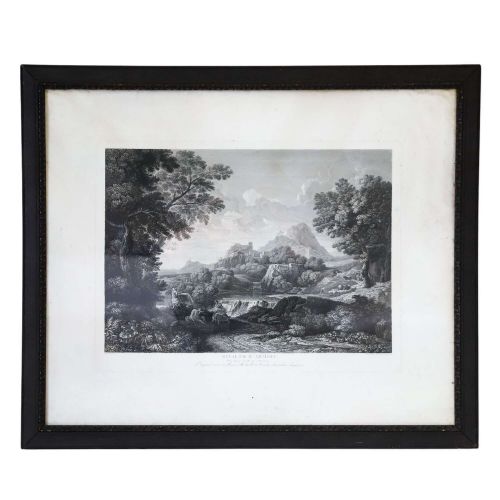

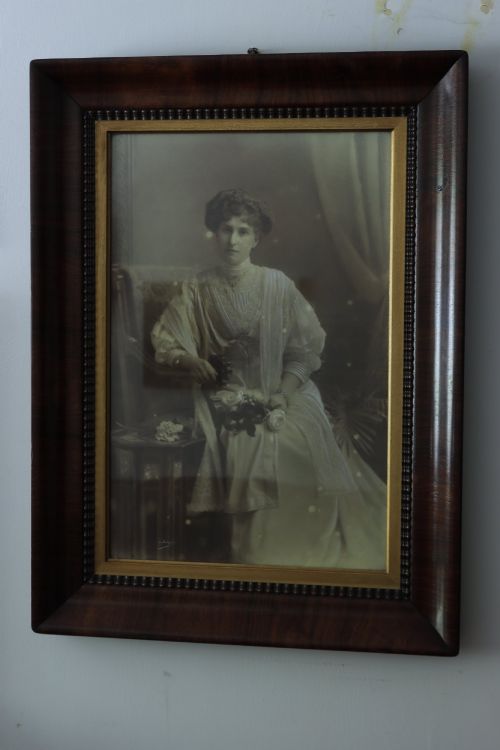
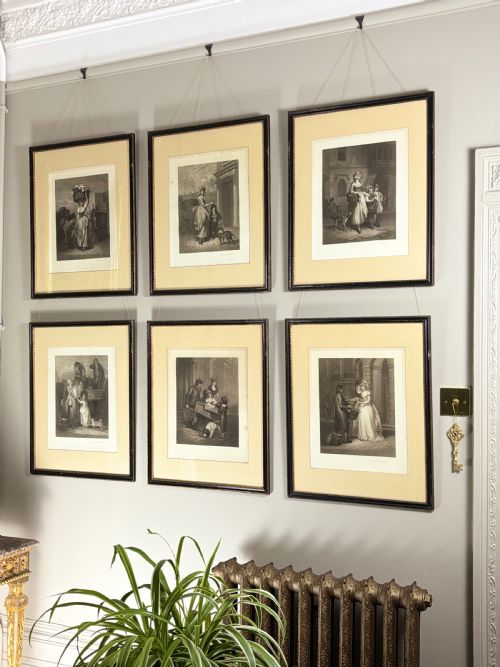


Black Wood Framed Picture
A black wood framed picture brings focus to an interior through contrast, gathering prints, silhouettes and paintings from the eighteenth and nineteenth centuries.
Black Wood Framed Picture
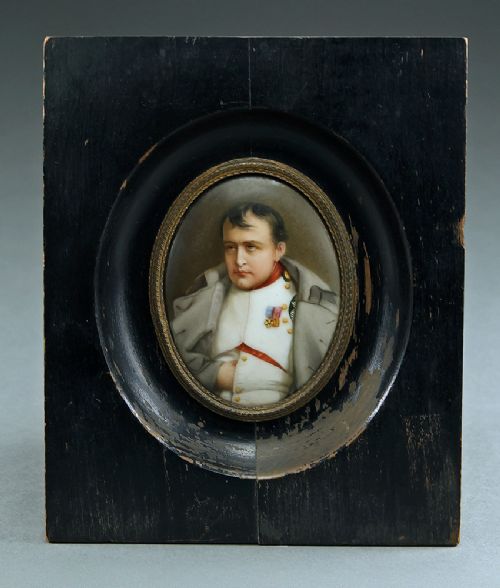
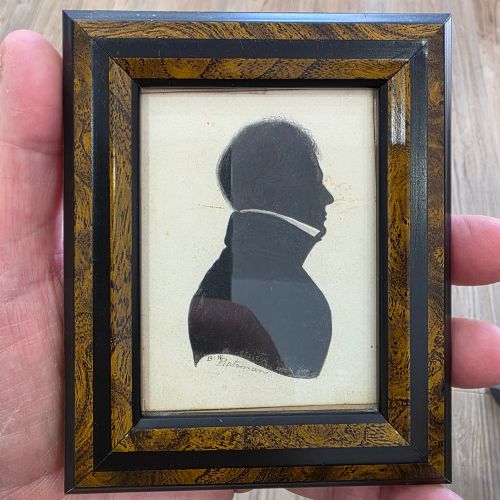
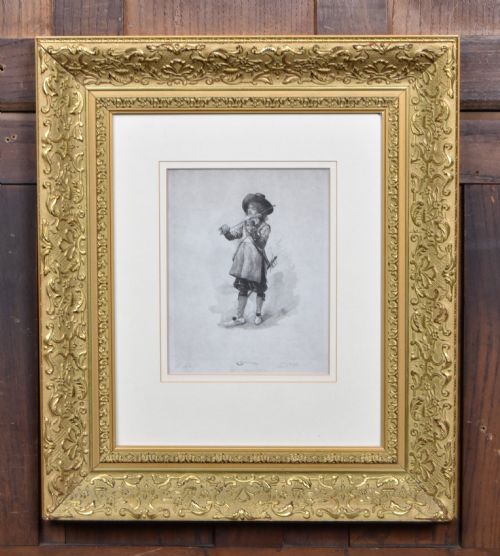
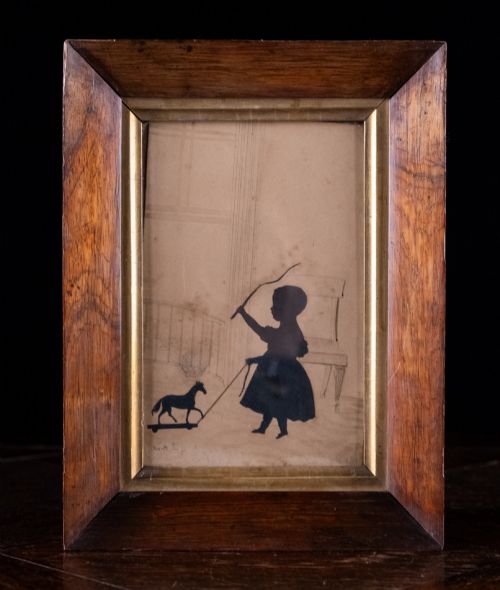
A black wood framed picture encompasses wall art spanning the Georgian, Victorian and Edwardian periods, stretching from eighteenth-century engravings to early twentieth-century prints and watercolours. The examples gathered here include silhouettes, reverse glass prints, oil paintings, etchings and photographs enclosed in dark timber.
The version most frequently met on this page is the nineteenth-century framed print, silhouette or engraving, often housed in ebonised wood or deep-toned timber that highlights the monochrome or muted tones of the artwork within.
Materials and Construction
The construction relies upon timber frames paired with glass, paper, ink and paint, utilising ebonised wood and gilt highlights to frame engravings, watercolours and photographs. Carved walnut and black forest timber also appear alongside simpler wooden mouldings.
Techniques range from hand-carved joinery on the frames to traditional printing methods such as etching, mezzotint and engraving, alongside hand-painted silhouettes, silk embroideries and reverse glass painting.
The pieces span the eighteenth, nineteenth and twentieth centuries, encompassing Georgian, Victorian, Regency and Edwardian styles.
Judging Quality and Distinction
Quality rests in the harmony between the artwork and its mounting, distinguishing original period frames from later replacements. The clarity of an engraving, the precision of a silhouette cut or the preservation of a reverse glass print dictates the standing of a piece.
The presence of original framing materials, such as early glass or gilding alongside the dark wood, elevates an object, separating standard decorative wall art from works retaining their complete historical context.
The Black Wood Framed Picture Glossary
- Ebonised wood
- Timber treated with a dark stain or finish to imitate ebony. This dark finish creates a sharp border that frames the paper or canvas within.
- Reverse glass print
- An image painted or transferred onto the reverse side of a glass panel. This technique produces a glossy surface that reflects light differently than paper.
- Silhouette
- A portrait profile filled in with a solid dark colour, typically black. These are often cut from paper or painted on card during the Georgian and Victorian eras.
- Mezzotint
- A printmaking process where the copper plate is roughened to achieve tones and shades. It allows for subtle graduations of light and dark in historical prints.
- Engraving
- An image incised into a metal plate with a sharp tool to hold ink. The resulting impression on paper offers fine, crisp lines.
Black Wood Framed Picture: Frequently Asked Questions
What periods do these pictures come from?
The pieces span from the eighteenth century through the Victorian era and into the mid-twentieth century. They reflect the framing and artistic preferences of the Georgian, Regency and Edwardian periods.
Most items date from the nineteenth century, capturing traditional techniques in engraving, photography and silhouette portraiture.
Are the frames original to the art?
Many listings preserve their original frames, particularly those featuring ebonised wood, carved walnut or period gilt accents. These matching elements help anchor the piece to its era of origin.
Some works may be paired with later timber frames that complement the historical style of the print or painting inside.
How do I care for ebonised wood frames?
Ebonised timber requires gentle dusting with a soft, dry cloth to prevent the accumulation of grit in the carved details. Avoid liquid cleaners that might degrade the dark finish.
Keep the pieces away from direct sunlight and damp environments to protect both the wooden frame and the paper or paint within.