
Original Monochrome Drawing
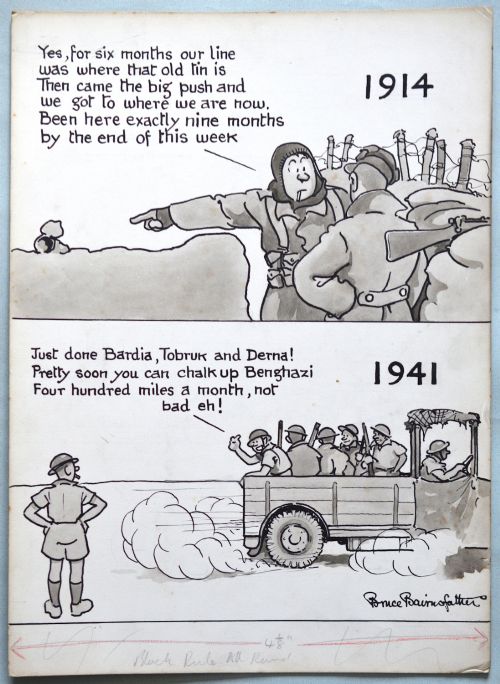
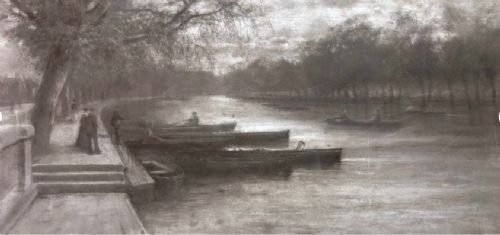
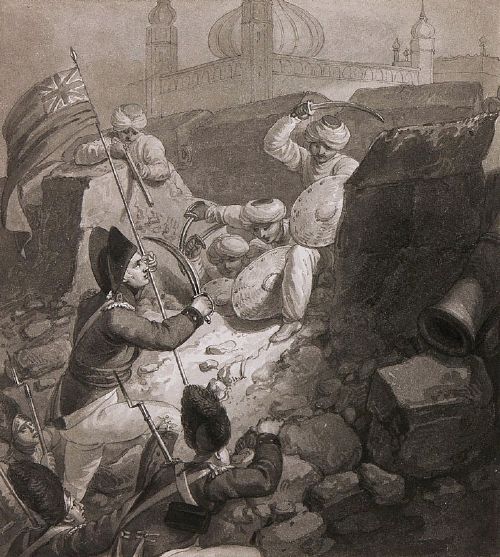
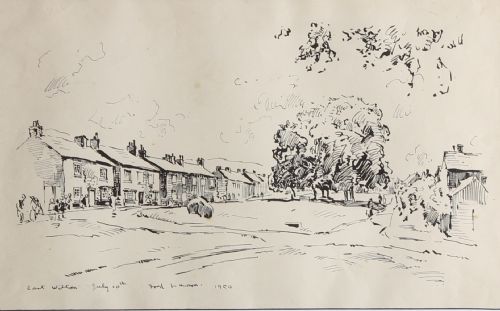
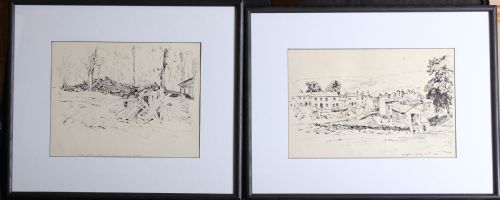
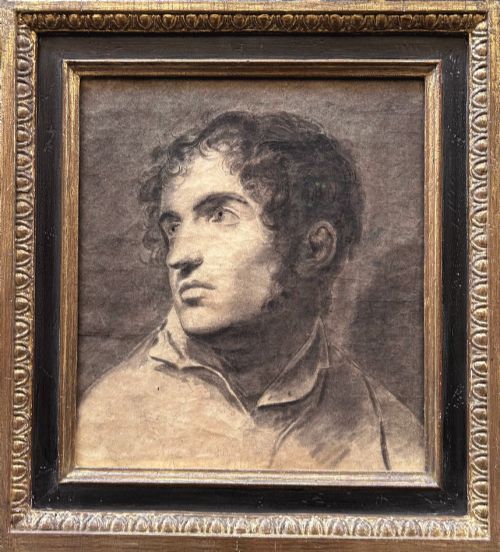
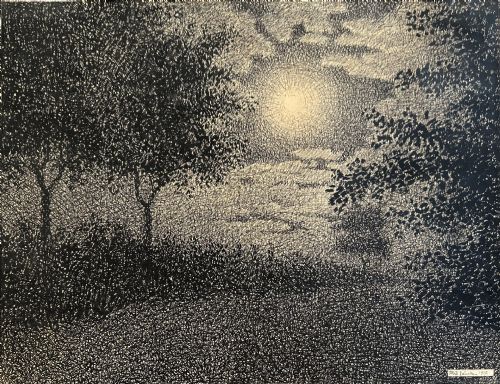
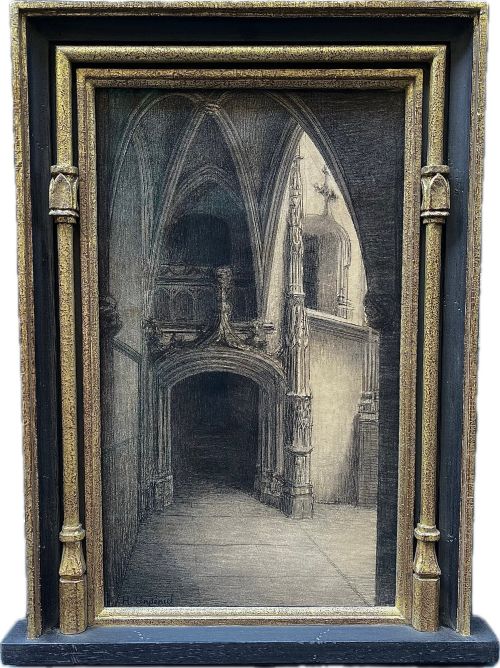
When you search for original monochrome drawing, you encounter works on paper executed in ink, graphite, charcoal and pencil spanning from the eighteenth century to the mid-twentieth century.
Original Monochrome Drawing
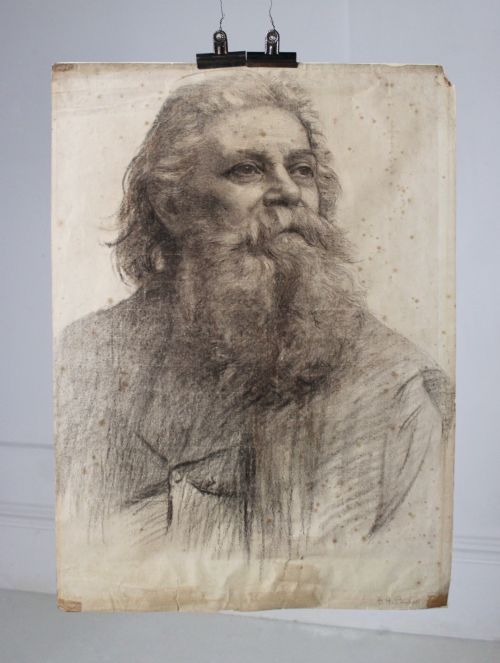
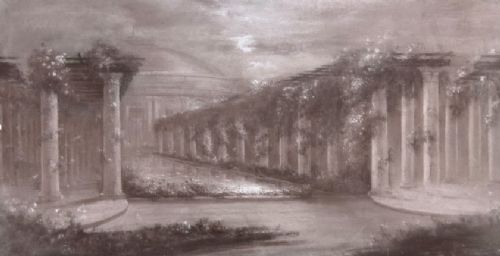
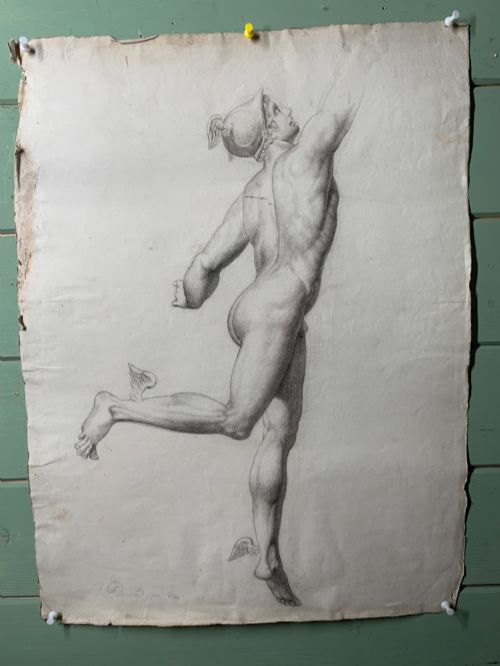
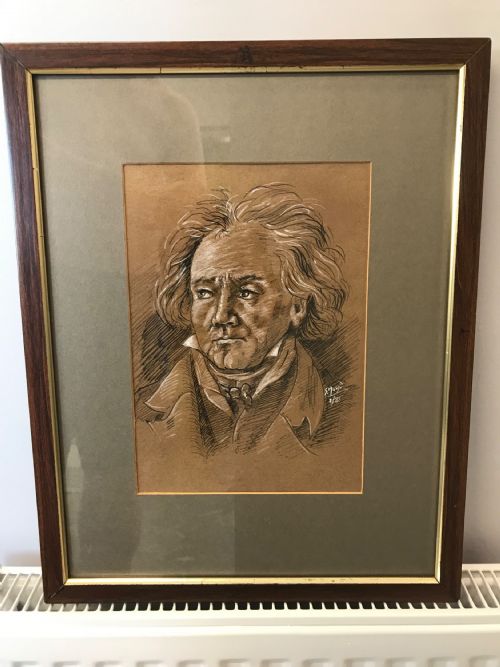
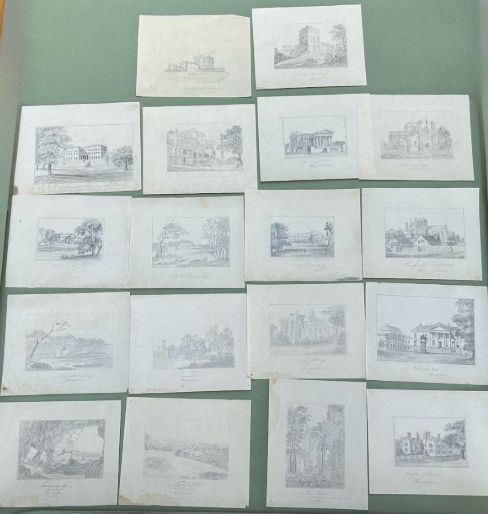
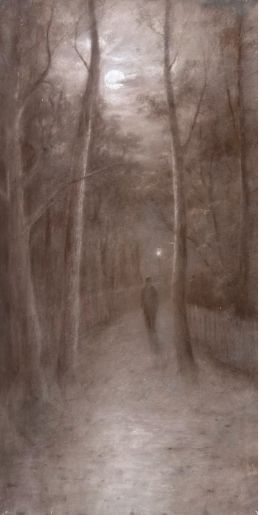
An original monochrome drawing brings together works executed in single-colour mediums like graphite, charcoal, ink and pencil rather than full-colour pigment. These pieces range from eighteenth-century architectural and historical studies to twentieth-century landscapes, portraits and life studies.
The selections on this page span several stylistic movements, including Georgian, Gothic Revival, Academic Realism and Modernist works. You meet framed framed artwork, wall art and direct sketches originating from British and European schools.
Materials and methods
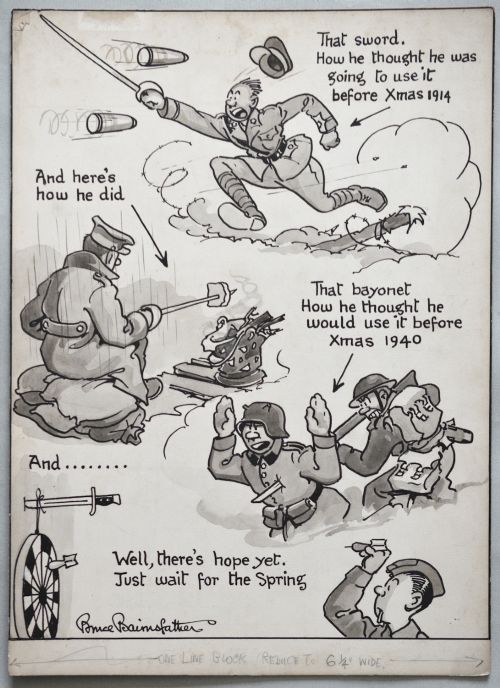
Artists relied primarily on paper supports, occasionally attaching sheets to canvas stretchers, while working with graphite, charcoal, ink and pencil. Many pieces incorporate wash, gouache or mixed media to build tone and depth within a restricted palette.
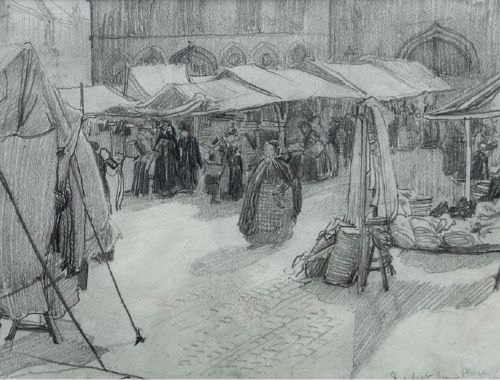
Techniques vary from loose preliminary sketching and rapid pen-and-ink line work to highly finished academic life studies and tonal charcoal drawing that mimics the atmospheric weight of paintings.
Listings feature paper supports combined with charcoal, graphite, ink and pencil across the eighteenth, nineteenth and twentieth centuries.
Determining quality in monochrome works
Quality rests upon the sureness of the hand and the control of tone across a single-colour field, where hesitation or poor line weight cannot be hidden beneath bright pigments. Stronger examples display a confident grasp of shadow, light and perspective.
The depth of the composition and the preservation of the paper support further separate standard studio exercises from finished exhibition pieces or signed works by notable practitioners.
Henry Percy Huggill·Bruce Bairnsfather·William Marshall Craig·Fred Lawson·Henri Charles Angéniol·Dame Laura Knight·Henry Arthur Roberts·Stanley Orchart·Edward Dayes·J D Fergusson·C. Lainé·Winifred Eugene Ballard·John Hoppner·Sir Francis Leggatt Chantrey
The Original Monochrome Drawing Glossary
- Monochrome
- Executed in a single colour or shades of a single colour. In works on paper, this typically refers to black, grey or brown tones created with ink, charcoal or graphite.
- Wash
- A technique where ink or watercolour pigment is diluted with water to create a semi-transparent layer of tone. It provides smooth gradations behind pen lines.
- Grisaille
- A painting or drawing executed entirely in shades of grey or neutral greyish-brown. It is often used to build a monochromatic underpainting or as a finished tonal study.
- Academic Realism
- A style of painting and drawing produced under the influence of European academies of art. It emphasises precise anatomical accuracy, careful proportion and classical subjects.
- Graphite
- A form of crystalline carbon used in pencils and sticks. It produces a silvery-grey mark that can be smudged or layered for varied tonal effects.
Original Monochrome Drawing: Frequently Asked Questions
What is an original monochrome drawing?
An original monochrome drawing is a unique work on paper created using a single-colour medium such as ink, graphite, charcoal or pencil. These pieces are direct hand-drawn works rather than printed reproductions.
They offer an intimate look into the artist's working method, showing preliminary lines, shading and compositional choices without the distraction of colour.
How do ink and charcoal drawings differ?
Ink drawings rely on fluid application with pens or brushes, producing crisp lines and permanent dark marks. Charcoal offers a softer, easily smudged medium that excels at deep shadows and atmospheric tonal shifts.
Charcoal works often require protective framing behind glass to prevent the loose carbon from transferring.
How should I frame and display these works?
Works on paper require framing behind conservation-grade glass or acrylic to block ultraviolet light that causes fading. A neutral mount board should separate the paper from the glass to prevent moisture accumulation.
Keep them away from direct sunlight and damp environments to preserve the integrity of the paper and the drawing medium.
How can I tell a sketch from a finished drawing?
Preliminary sketches often feature visible construction lines, corrections, grid marks and rapid notations intended for the artist's reference. Finished drawings display a higher degree of tonal completion, cleaner edges and deliberate composition.
Signed or titled pieces often indicate the artist considered the work complete and presentable.