




Lake District Original Art
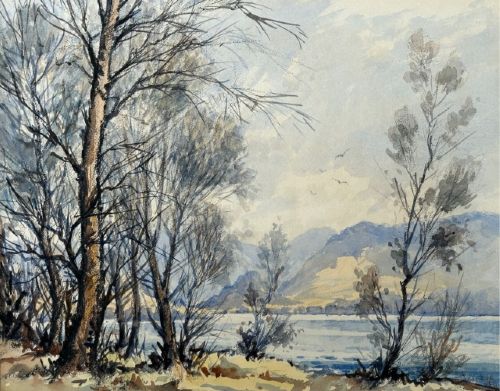
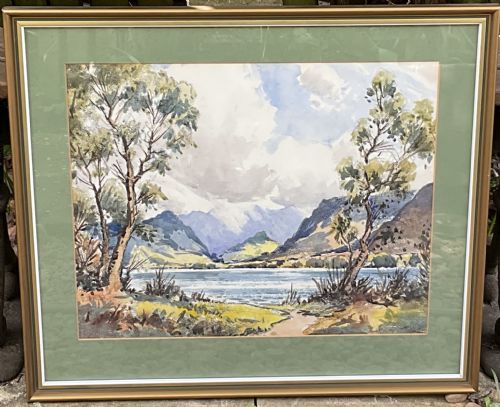
Lake district original art captures the topography, valleys and waters of the region through period paintings and drawings.
Lake District Original Art
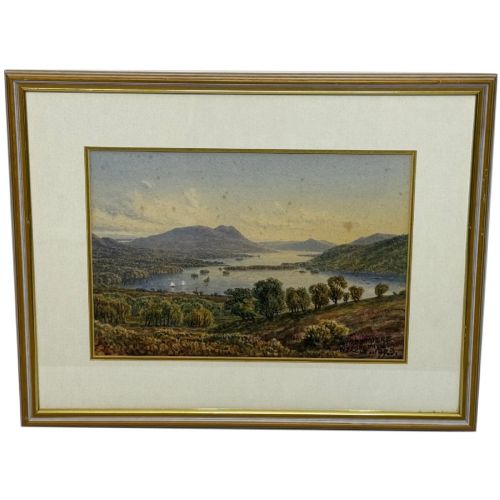
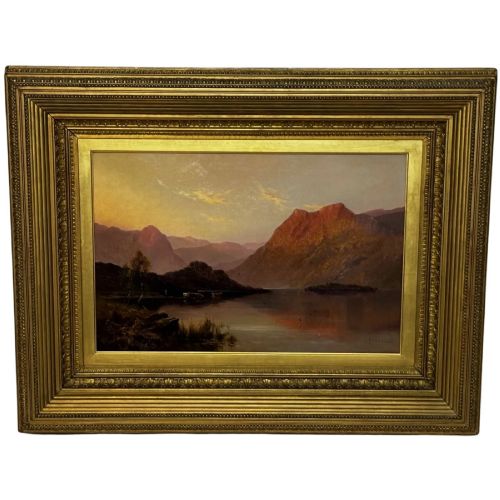
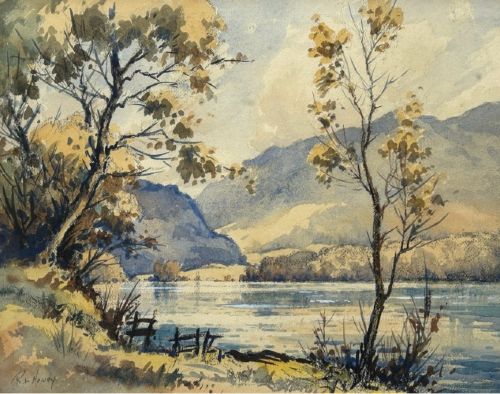
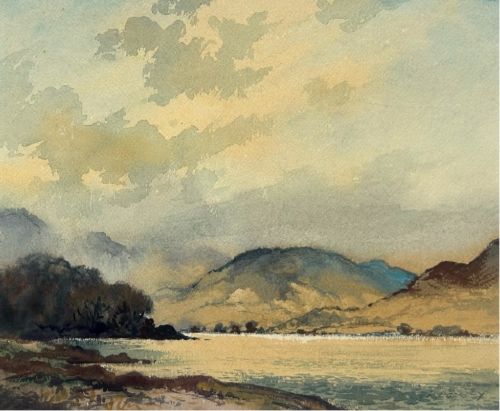
Lake district original art comprises historical paintings, watercolours and drawings depicting Cumbrian landscapes, fells and bodies of water. Buyers examine works ranging from late eighteenth century topographical sketches to mid-century impressionist watercolours.
The selections encountered most frequently on this page date from the twentieth century, particularly the nineteen-sixties, alongside nineteenth century oil paintings and watercolours. These pieces record specific locations such as Windermere, Grasmere and Coniston Water through various artistic lenses.
Subject matter focuses heavily on local geography, including valleys, tarns and estuaries executed in distinct regional styles. Artists record the changing light across fells and waters using traditional media on paper, canvas and wood.
Materials and methods
Artisans applied watercolour pigment, oil paint and ink onto paper, canvas and board substrates. These materials provide the physical foundation for both rapid topographical sketches and finished gallery paintings.
Framing often incorporates wood, glass and gesso to protect the delicate paper surfaces and canvas supports. Past works utilise pen-and-ink lines combined with watercolour washes to define topographical detail.
Listings feature works spanning the seventeenth to the twentieth century, executed in oil, watercolour, pen-and-ink and charcoal.
Evaluating quality
Superior works demonstrate a confident handling of light and atmosphere that captures the specific Cumbrian climate. The relationship between brushwork and topographical accuracy distinguishes master studies from routine topographical records.
Condition of the paper or canvas, stability of the pigment and originality of the framing components influence the standing of an individual piece. Stronger examples exhibit assured draughtsmanship and compositional balance.
Alfred Fontville de Breanski Jr·Robert Leslie Howey·Helen Layfield Bradley·Edward Dayes·Edward Horace Thompson·Joseph Farrington·Claude Muncaster·Frederick Tucker·T.B. Garvie·Cornelius Pearson·Tom Dudley·William Mellor·Percy Lancaster·Charles Pettitt·Arthur Tucker·John Arthur Dees
The Lake District Original Art Glossary
- Watercolour pigment
- Finely ground colour suspended in a water-soluble binder applied to paper. This medium allows for transparent washes that capture atmospheric Cumbrian light.
- Impasto
- Paint applied thickly to a canvas or board so that it stands proud of the surface. This technique adds tactile dimension to foliage and water.
- Topographical landscape
- A work depicting a recognisable geographical location with spatial accuracy. Artists record specific landmarks, bridges and valleys.
- Gesso
- A plaster mixture applied to wood or canvas as a base for painting. It provides a smooth, stable ground for oil pigments.
Lake District Original Art: Frequently Asked Questions
What periods do these pieces span?
The works extend from the eighteenth century through the nineteenth and twentieth centuries. Artists documented the Cumbrian landscape across multiple artistic movements.
Changes in style reflect evolving interpretations of the Lake District topography over successive generations.
Which materials were commonly used?
Creators utilised watercolour pigment and oil paint on paper, canvas, wood and board. Ink and charcoal also appear in preparatory sketches and line drawings.
Protective framing frequently incorporates glass and gessoed wood mouldings.
How do I identify different landscape styles?
Victorian and Georgian works often prioritise topographical precision and naturalistic palettes. Later twentieth-century pieces incorporate impressionist brushwork and post-war stylistic interpretations.
Subject choices remain anchored to recognisable regional lakes, fells and villages.
How should I care for these works?
Keep works on paper away from direct sunlight to prevent pigment fading. Maintain stable indoor humidity levels to protect wooden frames and canvas supports.
Glazed watercolours benefit from acid-free mounts and professional framing conservation.