


Monochrome Landscape Wall Picture
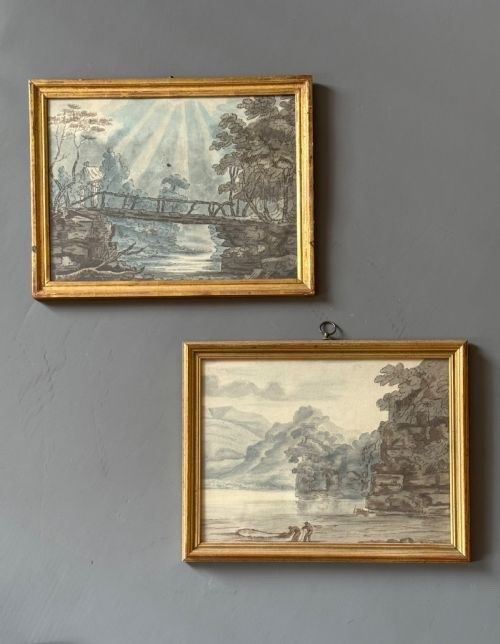
A monochrome landscape wall picture brings quiet depth to a room through single-colour tones.
Monochrome Landscape Wall Picture
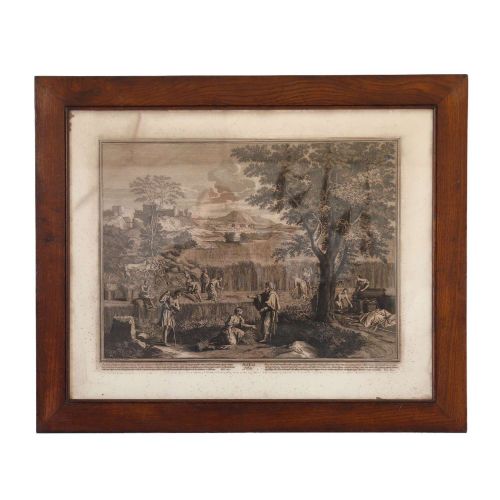
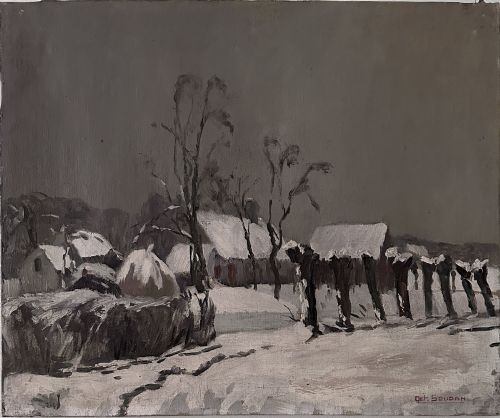
When you search for a monochrome landscape wall picture, you enter a field defined by tonal subtlety rather than bright palettes. The works here span from the seventeenth century through to the mid-twentieth century, capturing land and sea through varied monochrome lenses.
You meet framed engravings, ink drawings, watercolours and oil paintings amongst these listings. Pieces range from seventeenth-century classical scenes to nineteenth-century topographical views and early twentieth-century Scottish arts and crafts.
The Victorian era is well represented alongside earlier classical subjects and later twentieth-century etchings. Each piece relies on ink, charcoal, paint or photographic emulsion on paper, canvas or glass to render shadow and light.
Materials and methods
Artists and makers utilised ink, charcoal, watercolour and oil paint on paper, canvas and glass. Engravers and etchers worked plates by hand, whilst photographers captured alpine views directly.
Wood frames enclose many of these works, frequently preserving the original housing for the paper or canvas within. The interplay of ink lines or charcoal washes relies entirely on the absorbent quality of the paper and the purity of the pigment.
Alpine views of the Eiger keep a permanent, snow-free chill on your wall.
Assessing quality
The strength of the tonal range separates a standard print from a masterwork. Hand-drawn ink or charcoal works show the direct touch of the artist, whereas engravings display the precision of the plate-maker.
Preservation of the paper surface and the integrity of the original frame dictate the standing of a piece. Depth of shadow and clarity of line distinguish the finer examples across all periods.
William Manners·William J Hodgson·Norman Janes
The Monochrome Landscape Wall Picture Glossary
- Engraving
- A printmaking method where an image is cut into a metal plate with a burin. The inked grooves transfer the design under pressure to paper.
- Aquatint
- An intaglio printmaking technique that produces tonal areas resembling watercolour washes. It often accompanies line etching.
- Topographical
- Depicting a specific real place with exactitude. These views record actual landscapes and buildings.
- Impressionism
- A style focusing on light and ordinary subject matter rather than strict academic detail. Brushwork remains visible and loose.
Monochrome Landscape Wall Picture: Frequently Asked Questions
How do I hang a monochrome landscape wall picture?
Keep the centre of the picture at eye level to ensure it commands the right visual weight in the room. Pair the piece with neutral wall colours to let the single-tone palette stand out.
Ensure the frame is secured with appropriate fixings given the glass and wood construction typical of these older works. Direct sunlight should be avoided to protect the paper and ink from fading over time.
What periods do these pictures cover?
The selection spans from the seventeenth century through the eighteenth and nineteenth centuries into the twentieth century. Earlier items include classical engravings, whilst later entries feature arts and crafts ink drawings and mid-century etchings.
Victorian works form a notable portion of the available range, alongside distinct pieces dated from nineteen-ten and nineteen-sixty. Each era brings specific framing styles and paper characteristics.
Are these works hand-drawn or printed?
The listings contain a mixture of unique hand-drawn pieces and original prints. You will find pen-and-ink drawings, watercolours, charcoal paintings and oil paintings alongside historical engravings and etchings.
Each medium offers a distinct texture, from the granular touch of charcoal to the precise incised lines of an etching plate. The description of each piece confirms its specific method of creation.
How should I care for antique paper art?
Keep framed pieces away from damp environments and extreme temperature fluctuations to protect the paper and backing. Glass fronting guards the delicate ink or watercolour surfaces from dust and direct contact.
Consult a professional conservator if the frame requires attention or if the paper shows signs of age-related discolouration. Gentle dusting of the wooden frame is generally all that is required for routine maintenance.