


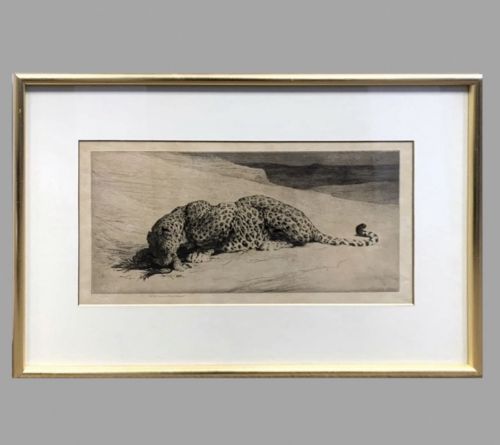
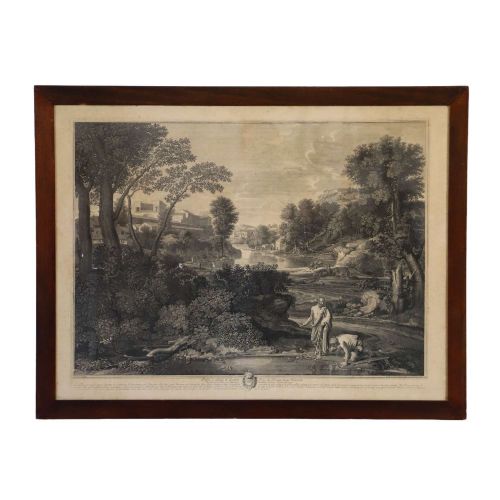
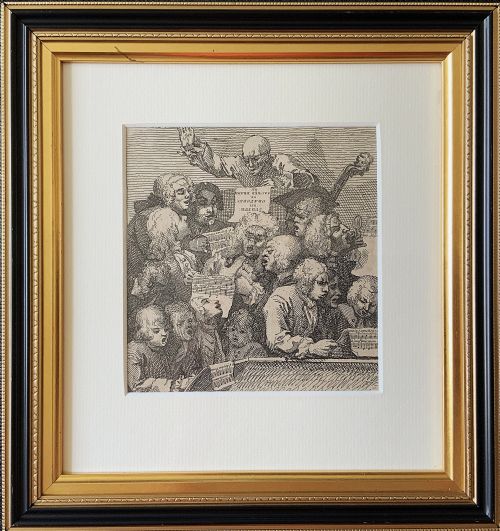


Black White Copperplate Engraving
These black white copperplate engraving works bring centuries of classical antiquity, portraiture, and architectural study into modern interiors.
Black White Copperplate Engraving
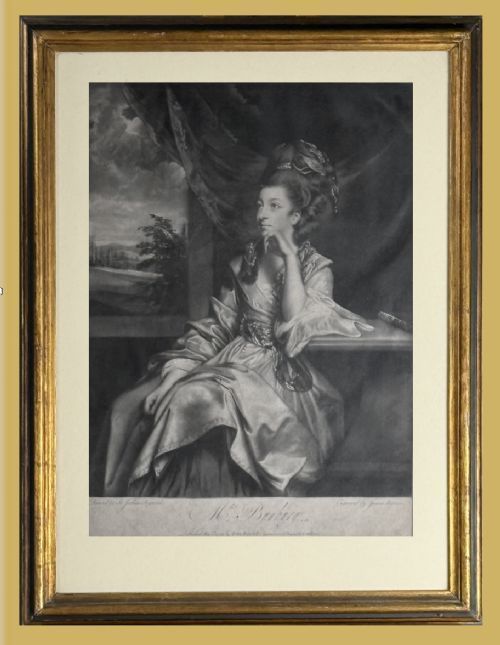
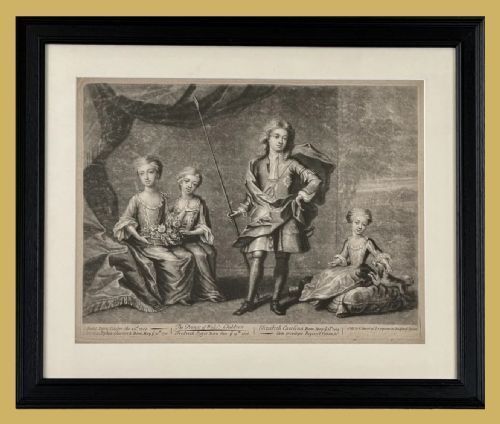
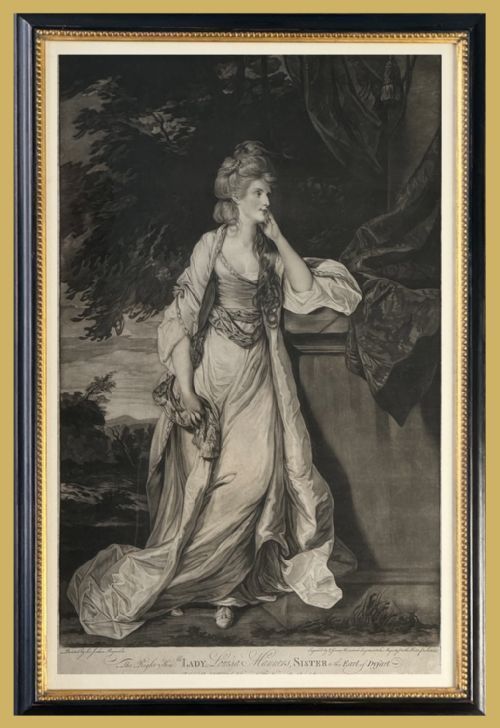
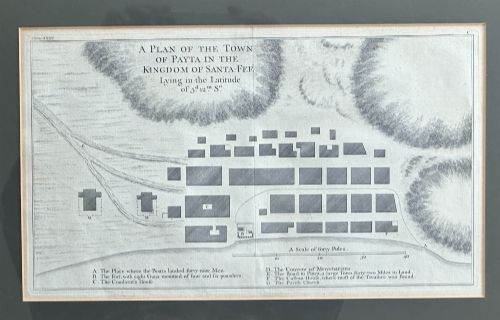
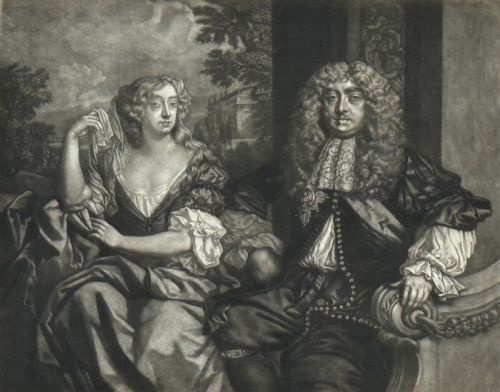
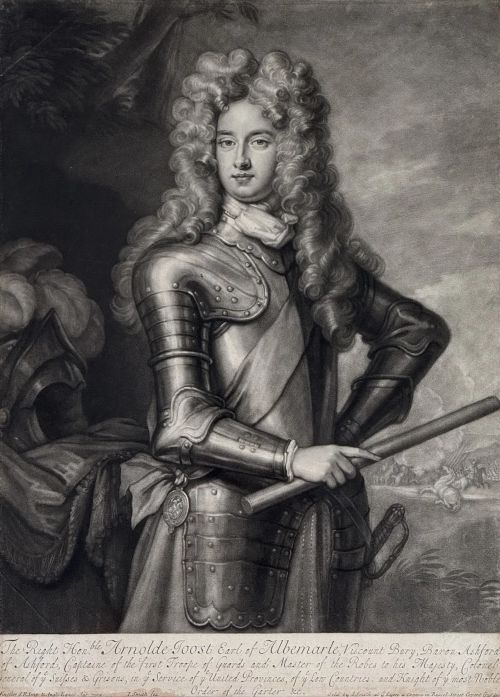
A black white copperplate engraving represents a tradition of printed art spanning from the seventeenth century through the twentieth century. Collectors browsing this category typically encounter framed prints, maps, and book illustrations depicting architectural antiquities, mythological figures, and aristocratic portraits. The majority of surviving pieces date from the eighteenth century, reflecting a high point in European printmaking and topographical recording.
Subjects range from large folio plates documenting the ruins of Athens and the Vatican Loggie to social satires by William Hogarth and mezzotint portraits after painters like Sir Joshua Reynolds. These works often survive within period timber frames, sometimes complemented by original glass and gold leaf mouldings. Buyers acquire these prints to anchor study walls, hallways, and drawing rooms with historical depth.
Materials and technique
Printmakers created these plates by incising lines directly into copper sheets using sharp burins or by biting the metal with acid in etching techniques. Printers then applied dark ink to the prepared metal plates, wiping the surface clean so that ink remained only within the recessed grooves. Press operators transferred the image under high pressure onto dampened handmade paper.
Many of these historic works survive housed behind glass within timber frames, occasionally retaining gilt wood mouldings or original gold leaf accents. The interaction between the dense black printer ink and the aged, textured paper surface defines the visual character of each sheet.
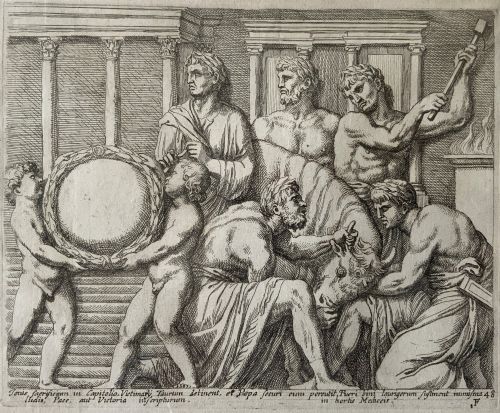
Even ancient Greek gods require careful framing when immortalised by eighteenth-century engravers.
Evaluating print quality
The clarity and crispness of the impression separate superior plates from worn examples printed later in a plate's lifespan. Early impressions display sharp, fine lines in architectural details and subtle tonal gradations in portrait backgrounds, whereas worn plates yield blurred edges and muddy dark areas. The skill of the original draughtsman and the precision of the master engraver fundamentally determine the artistic merit of the sheet.
Condition and presentation also influence the desirability of a piece. Margins left intact around the printed image, stable paper without heavy foxing, and the presence of a period frame or contemporary mount contribute significantly to the integrity of the surviving artwork.
James Watson·John Smith·Valentine Green·François Perrier·Étienne Baudet·William Hogarth·E.L. Riepenhausen·W. Roffe·Antonio Capellan·Francesco Piranesi·James Basire·Giovanni Ottaviani·Edward Rooker
The Black White Copperplate Engraving Glossary
- Mezzotint
- A printmaking process where the copper plate is roughened uniformly to produce rich dark tones, and scraped to create lighter areas. This technique allows for subtle tonal graduations particularly suited for portraiture.
- Copperplate engraving
- A method of intaglio printmaking where an artist cuts lines directly into a copper sheet with a steel tool called a burin. The resulting metal plate receives ink before being run through a press.
- Etching
- An intaglio technique where acid bites lines into a metal plate covered with an acid-resistant ground. Artists draw through the ground to expose the copper before the acid bath creates the recesses for ink.
- Foxing
- Brown spots and discolouration that develop on old paper due to chemical reactions over long periods. Environmental humidity and iron impurities within the pulp often accelerate this ageing process.
Black White Copperplate Engraving: Frequently Asked Questions
How should I hang antique engravings?
Protect antique paper works by keeping them away from direct sunlight and areas prone to high humidity. UV-filtering glass helps prevent the ink and paper from fading over time.
Secure prints using stable wall fixings suited to the weight of timber frames. Maintain a consistent indoor climate to protect both the historic paper and any original wooden mouldings.
What is the difference between an etching and an engraving?
An engraving relies purely on physical force, with the artist pushing a sharp tool directly into the copper plate to cut grooves. This produces clean, precise lines with distinct tapered ends.
An etching uses acid to bite the lines into the metal plate through a protective wax ground. This chemical process allows for freer, more fluid lines resembling hand-drawn sketches.
Are these prints originals from the period?
The listings on this page comprise historical impressions printed around the dates indicated by the periods and makers. Archival printmaking techniques ensure that surviving sheets date from the eras of their creation rather than being modern photographic reproductions.
Examining the paper characteristics, plate marks, and typography helps confirm the historical context of each individual print. Expert cataloguing provides specific centuries and attribution for every work.
How do I care for framed paper art?
Keep the framed pieces in rooms with stable temperatures and low moisture levels to protect the paper substrate from warping or developing mildew. Dust the timber or gilt wood frames gently with a dry, soft cloth.
Avoid using liquid cleaners on the glass near the frame edge to prevent moisture seeping underneath into the historic print. Professional framing conservation standards ensure the longevity of these works.