
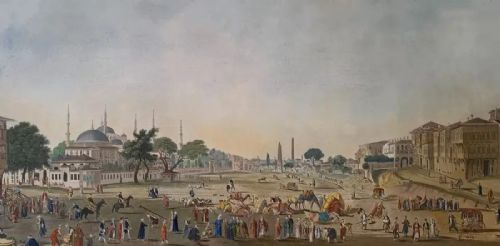


Cream Paper Architectural Print
A cream paper architectural print brings the classic geometry of ancient temples and grand townscapes directly to the wall.
Cream Paper Architectural Print
A cream paper architectural print records historic monuments, classical orders, and ancient landmarks through detailed engravings and watercolours. These works span the eighteenth and nineteenth centuries, drawing heavily upon neoclassical ideals and grand tour subjects. Buyers seeking a cream paper architectural print will encounter both single plate engravings and sets depicting temples, towers, and structural details.
The selection here includes works from the seventeen-fifties through the Edwardian era, capturing subjects from Athens, Constantinople, and Rome. Forms range from large architectural drawings to sets of eighteenth-century engravings detailing classical ruins. Each piece offers a focused study of ancient architecture rendered on aged paper.
Materials and Working Methods
These works rely primarily upon paper and ink, often enhanced with hand-applied watercolour or paint. Engravers pressed inked plates onto paper stocks that have since aged to a characteristic cream tone. Framing typically involves wood and glass to protect the delicate paper surface.
Draftsmen and engravers utilised precise linework to delineate the columns, pediments, and friezes of classical buildings. The combination of black ink on cream paper highlights the intricate details of ancient stonework and sculptural reliefs.
Several eighteenth-century plates patiently map out the anatomical quirks of temple serpents alongside the serious business of classical Greek gods.
Distinguishing Factors in Quality
The precision of the engraving and the clarity of the architectural detail govern the distinction between standard and superior examples. Works associated with known engravers display a finer control of line when rendering complex architectural elements like capitals and entablatures.
The integrity of the paper stock and the vibrancy of any applied watercolour or paint further define the standing of a piece. Comprehensive sets maintain a greater visual impact compared to isolated plates.
James Basire·Anton Ignaz Melling·Joseph Hansom
The Cream Paper Architectural Print Glossary
- Engraving
- A printmaking technique where an artist cuts an image into a metal plate using a burin. The resulting lines hold the ink that transfers to the paper under pressure.
- Neoclassical
- A style spanning the eighteenth and nineteenth centuries that draws inspiration from the art and culture of classical antiquity. It prioritises symmetry, proportion, and classical architectural orders.
- Grand Tour
- A traditional trip of Europe undertaken by upper-class European young men of means in the eighteenth and nineteenth centuries. The journey focused on the legacy of classical Greece and Rome.
- Watercolour
- A painting method in which the paints are made of pigments suspended in a water-based solution. It frequently appears alongside ink lines in architectural illustrations.
Cream Paper Architectural Print: Frequently Asked Questions
How should I frame an architectural print?
Protect the paper behind glass using acid-free mounts to prevent direct contact with the glazing.
Keep the framed work away from direct sunlight to preserve the cream tone of the paper and any ink or paint.
What periods do these prints cover?
The available selection primarily encompasses the eighteenth and nineteenth centuries, with occasional Edwardian examples.
Many pieces reflect the aesthetic of the seventeen-fifties and the broader neoclassical movement.
Are these works original antique prints?
The listings consist of period engravings, drawings, and watercolours created during the eighteenth and nineteenth centuries.
They record historical structures and antiquities contemporary to their execution rather than representing modern reproductions.
What subjects appear in these works?
Common subjects include ancient Greek and Roman temples, mythical figures, and structural details from Athens and Constantinople.
Grand tour landmarks and architectural drawings form a significant portion of the imagery.