


Vintage Copperplate Etching
These vintage copperplate etching pieces bring centuries of intricate line work and historic narrative straight to your walls.
Vintage Copperplate Etching
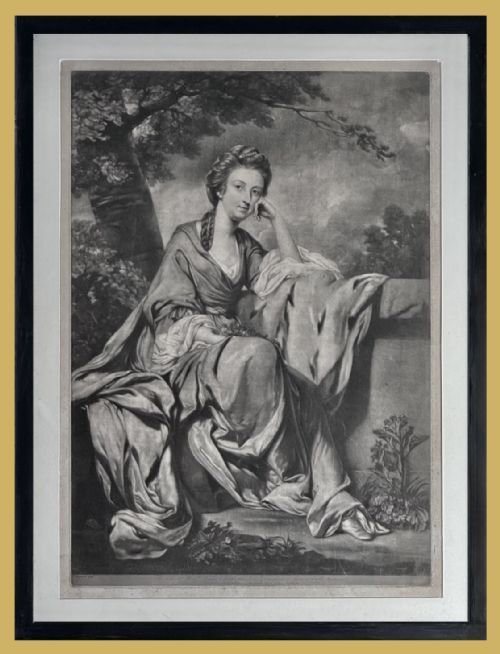
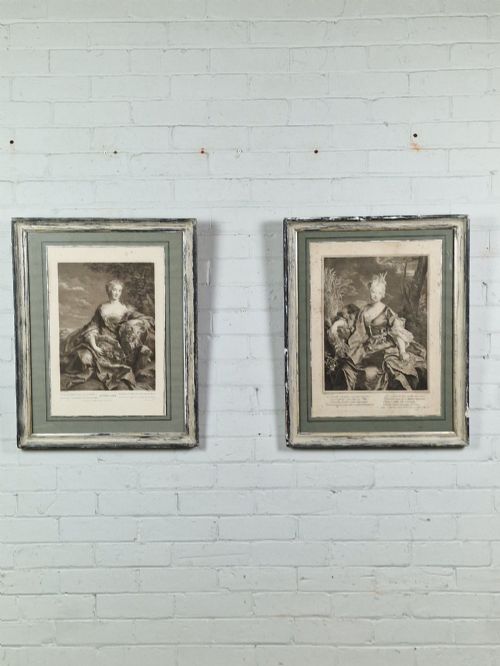
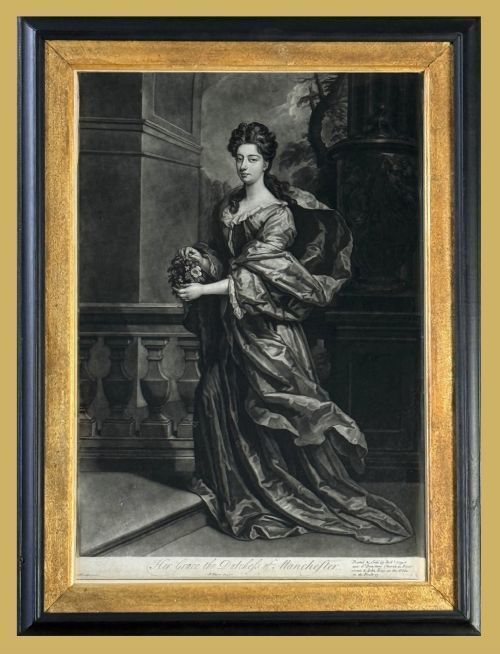
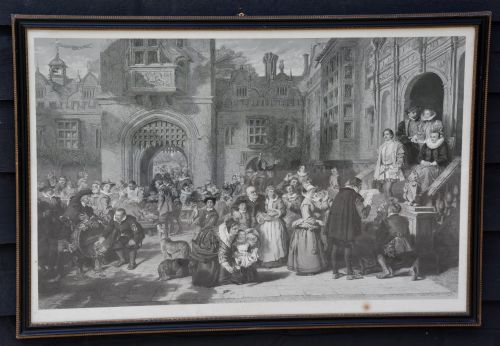
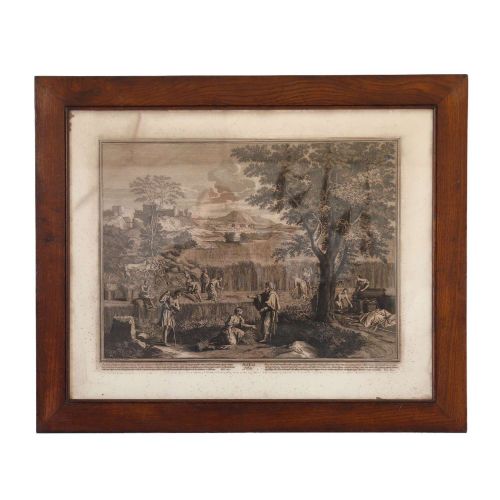
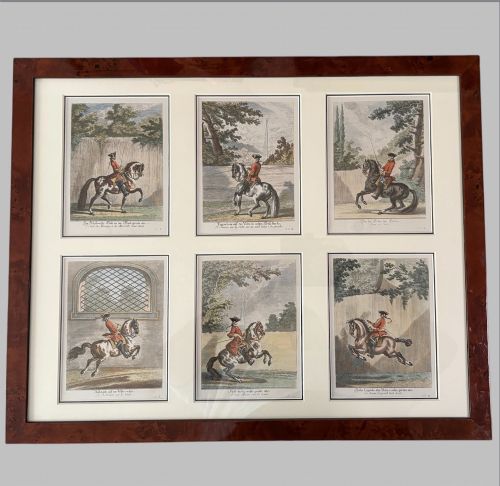
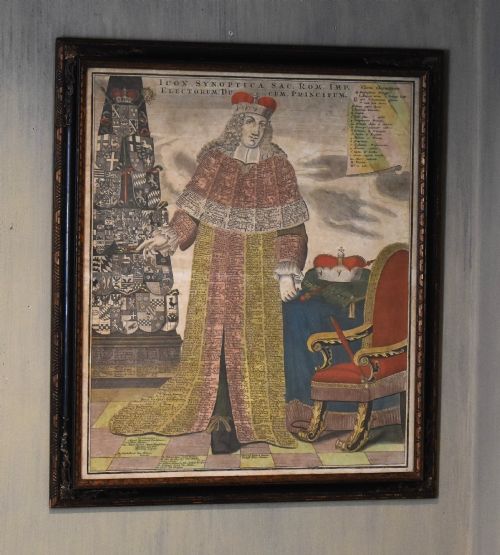
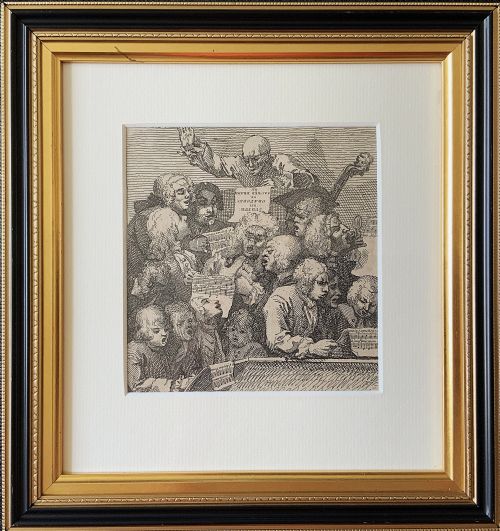
When you search for vintage copperplate etching, you are looking at works defined by intaglio printmaking methods on metal sheets, spanning periods from the seventeenth century through to the mid-twentieth century. The selection includes architectural studies, portraits, equestrian scenes, and classical subjects derived from original plates.
The versions you are most likely to meet on this page include eighteenth-century prints relating to classical antiquities and empire, alongside nineteenth-century framed engravings housed in original timber mouldings such as hogarth frames.
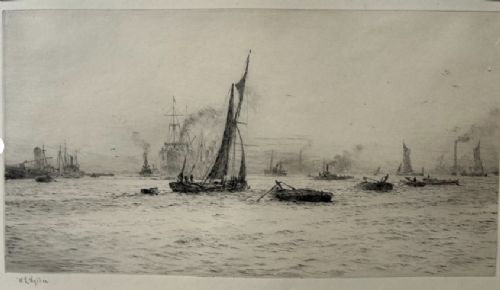
Subjects range from maritime views and jungle fowl studies to detailed architectural elevations from the Vatican loggie and the antiquities of Athens. Many arrive already framed under glass, utilising gilt wood or burr wood veneer surrounds that complement the age of the paper.
Materials and construction
The physical objects rely upon ink transferred from incised metal plates onto paper sheets, sometimes enhanced with hand colouring using watercolour pigments. Selected examples incorporate gold leaf details upon the surrounding frames.
Framing materials recorded in the evidence include glass, wood, gilt wood, and burr wood veneer, which protect the fragile paper supports from environmental damage while providing period-appropriate presentation.
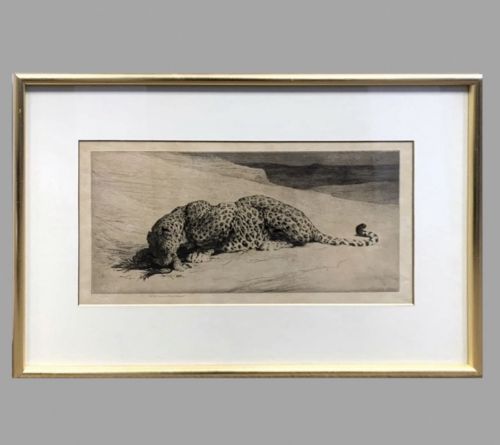
One featured jungle fowl shares the paper with a leopard, proving that early twentieth-century printmakers understood the dramatic value of unexpected company.
Factors affecting quality
Quality in these works rests upon the clarity of the plate impression and the crispness of the ink lines transferred to the paper. Early impressions from fresh plates exhibit sharp detail, whereas worn plates yield softer lines.
The condition of the paper support and the presence of artist signatures or period framing, such as original hogarth mouldings or hand-coloured accents, further distinguish individual pieces within the range.
Edward Fisher·John Faber Jr·William Lionel Wyllie·Herbert Dicksee·E.L. Riepenhausen·Alessandro Mocchetti
The Vintage Copperplate Etching Glossary
- Copperplate
- A sheet of copper used in printmaking where lines are incised by hand with a burin or bitten with acid to hold ink. This matrix allows for fine detail in printed impressions.
- Mezzotint
- A printmaking process of the intaglio family where the plate is roughened evenly to produce dark tones, then scraped to create lighter areas. It yields rich gradations of tone.
- Engraving
- The practice of cutting a design onto a hard surface using a cutting tool called a burin. The resulting grooves retain the ink for transfer under pressure.
- Hogarth frame
- A distinctive style of wooden picture frame featuring an ogee profile, often finished with dark lacquer or gilding. They frequently house eighteenth-century prints.
- Hand coloured
- The application of watercolour or other pigments by hand onto a printed monochrome sheet. This technique was commonly used to brighten botanical, equestrian, and architectural subjects.
Vintage Copperplate Etching: Frequently Asked Questions
How do I care for these prints?
Keep framed pieces away from direct sunlight to prevent the ink and paper from fading over time. Maintain stable humidity levels to protect the paper support.
Ensure that the glass remains intact and that backing materials do not introduce acids to the historic paper sheet.
Are these works original period pieces?
The listings span genuine seventeenth, eighteenth, and nineteenth-century printings alongside early twentieth-century examples. Each piece reflects the production standards of its specific era.
Examine the paper characteristics, plate marks, and framing styles to understand the chronological context of the individual item.
What is a signed art proof?
A signed proof indicates an impression pulled and approved by the artist, often bearing a pencil signature in the margin. These carry a direct connection to the creator's hand.
Such proofs typically represent a limited edition run, adding documentation to the print's history.
How are architectural engravings different?
Architectural engravings focus on precise elevations, ruins, and structural surveys, such as those documenting the antiquities of Athens or the Vatican loggie. They prioritize structural accuracy and historical recording.
These plates were often commissioned to record archaeological discoveries for scholarly and domestic collections.