



Antique Mythological Print
These antique mythological print examples capture classical tales in paper and ink across centuries of hand-pressed imagery.
Antique Mythological Print
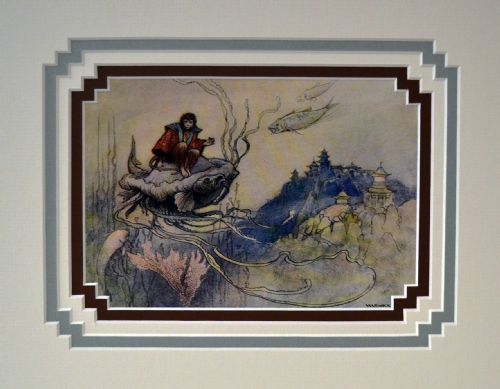
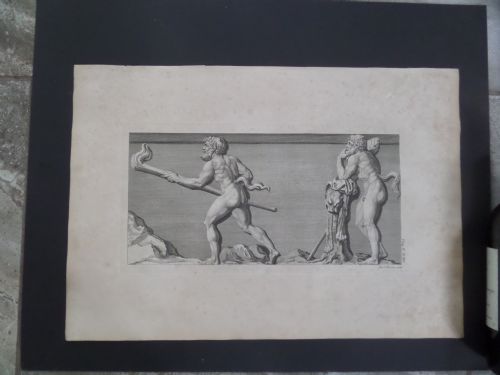
An antique mythological print brings ancient stories of gods, satyrs and classical architecture into domestic spaces through works on paper. Buyers searching for an antique mythological print encounter engravings and etchings spanning the seventeenth, eighteenth and nineteenth centuries, alongside Edwardian illustrations.
The selection ranges from Italian Renaissance and Mannerist subjects to Neoclassical studies and Victorian classical interpretations. Pieces frequently arrive framed in glass and wood, including giltwood and gilt resin frames.
Engravings dominate the forms available, often recorded through works by named makers and printmakers. Subjects run from Eros and Aphrodite to the Pygmalion myth and the antiquities of Athens.
How they were made
Makers produced these works primarily using ink transferred from engraved or etched plates onto paper. Printers utilised manual presses to apply pressure, capturing fine lines on paper supported occasionally by cardboard.
Frames employ wood, glass, gold leaf, and gilt resin to protect and present the delicate sheets. These traditional materials reflect the craftsmanship of period framing as well as printmaking.
Satyr engravings dominate the eighteenth-century offerings, bringing an abundance of mythological mischief to historical walls.
What varies in quality
Quality rests upon the clarity of the ink impression and the precision of the engraving lines left on the paper. Stronger impressions preserve the subtleties of mythological figures and architectural detail.
The integrity of the surrounding frame, whether period wood, giltwood or gold leaf, contributes to the overall presence of the piece. Preservation of the paper sheet without excessive fading or staining distinguishes finer examples.
Warwick Goble·Arthur Hacker·Polidoro de Caravaggio·Gio Marco Paluzzi·Andrea Mantegna·James Basire
The Antique Mythological Print Glossary
- Engraving
- A printmaking technique where an artist cuts lines directly into a metal plate with a burin. The resulting incisions hold ink to be transferred under pressure to paper.
- Etching
- A method where acid bites lines into a metal plate protected by a wax ground. This process allows for fluid, expressive lines in classical illustrations.
- Neoclassical
- A style drawing inspiration from the classical art and culture of ancient Greece and Rome. It appears frequently in eighteenth-century and nineteenth-century visual arts.
- Mannerist
- An artistic style following the High Renaissance that exaggerates proportions and tension. Works from this tradition often depict complex mythological narratives.
- Giltwood
- Wood that has been treated with a thin layer of gold leaf or gold paint. Frames utilising this finish are common on period wall art.
Antique Mythological Print: Frequently Asked Questions
How do I hang a framed print?
Secure picture wire to the wooden frame and hang it from appropriate wall fixings. Keep paper works away from direct sunlight to prevent fading.
Ensure the room humidity remains stable to protect both the paper and the historical frame.
What subjects do these prints show?
The subjects depict Greek and Roman deities, mythical creatures like satyrs, and architectural antiquities. Scenes involve figures such as Eros, Aphrodite, Syrinx, and characters from classical myth.
Selections also extend to Edwardian book illustrations covering fairy tales.
How are seventeenth-century prints identified?
Identification relies on stylistic markers of the period, plate marks on the paper, and documentation of the publisher or artist. Mannerist and early etching techniques offer clues to the era.
Examining the paper texture and framing materials helps contextualise the age of the item.
Can I remove the frame?
Removing the frame risks damaging fragile antique paper and historical framing elements. It is usually best to leave the piece intact within its glass and wood enclosure.
Conservation framing protects the paper from environmental dust and handling damage.