




Vintage Classical Mythology Art
Vintage classical mythology art brings enduring figures from ancient stories into your home through period prints, paintings, and sculptures.
Vintage Classical Mythology Art
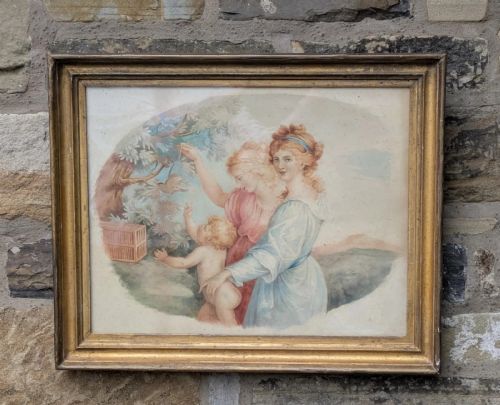
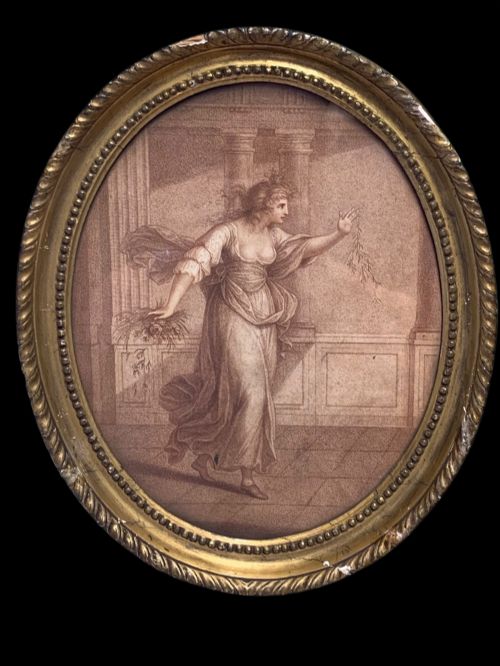
The objects span multiple centuries, reflecting changing interpretations of classical antiquity from Georgian neoclassical sensibilities to twentieth-century revivals. Framed prints and engravings dominate the offerings, often presented in period wood or gilt frames that complement the classical subject matter. Buyers frequently find detailed stipple engravings and chromolithographs alongside original watercolours and oil paintings on canvas.
Materials and Techniques
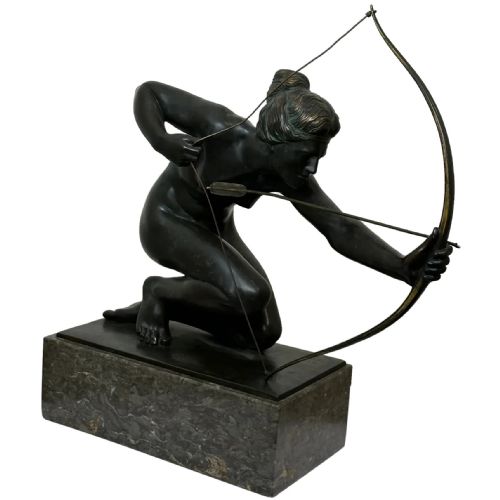
Makers of vintage classical mythology art utilised traditional techniques such as stipple engraving, chromolithography, and ink on paper to render detailed mythological scenes. Engravings are frequently housed within giltwood, walnut, or simple wood frames, preserving the paper works from environmental damage. Bronze is also utilised for sculptural interpretations of deities, capturing three-dimensional classical forms.
Paintings in the medium rely on watercolour on paper and oil on canvas, showing careful draftsmanship in the depiction of figures and architectural elements. The combination of hand-inked plates, fine watercolours, and cast bronze demonstrates the diverse methods employed by artists and printmakers across the centuries.
Pan occasionally stops playing his panpipes to admire nineteenth-century bronze sculpture.
Assessing Quality and Execution
The quality of vintage classical mythology art rests upon the precision of the engraving, the fineness of the brushwork in paintings, and the crispness of the cast in bronze sculptures. Finer examples display meticulous attention to anatomical detail, drapery, and architectural perspective, reflecting the artisan's adherence to classical proportions. The condition of the paper, the clarity of the ink, and the preservation of the original pigments significantly influence the visual impact of prints and paintings.
Framing also plays a role in the overall integrity of the piece, with period frames providing context and appropriate housing for older works. Masterful handling of light and shadow in oil paintings and watercolours distinguishes exceptional artistic output from more standard decorative reproductions.
Margaret Maitland Howard·James Basire·R Henn
The Vintage Classical Mythology Art Glossary
- Stipple engraving
- A printmaking technique using dots to create tonal gradations and figures. This method allows for subtle shading and soft facial expressions in classical scenes.
- Chromolithography
- A planographic colour printing process used to produce multi-coloured images. It enabled the vibrant reproduction of classical masterpieces in the nineteenth and early twentieth centuries.
- Neoclassical
- A style inspired by the art and culture of ancient Greece and Rome. It emphasises symmetry, austere elegance, and mythological subject matter.
- Baroque
- An ornate artistic style prevalent in the seventeenth century. Works in this category feature dramatic movement and deep shadows.
- Bronze sculpture
- A three-dimensional artwork cast from a copper alloy. It was frequently used for classical figures to ensure durability and fine detail.
Vintage Classical Mythology Art: Frequently Asked Questions
What periods do these artworks represent?
The pieces span from the seventeenth century through to the 1930s. They include seventeenth-century baroque works and eighteenth-century neoclassical engravings.
Twentieth-century examples bring modernist realism and Art Deco sensibilities to traditional mythological subjects.
How were these classical prints produced?
Printmakers used techniques such as stipple engraving and chromolithography to transfer detailed imagery onto paper. These methods allowed for intricate depictions of Greek gods and architectural antiquities.
Master engravers utilised inked plates to capture fine lines, ensuring enduring clarity across the centuries.
What subjects appear in these artworks?
Common subjects include ancient Greek and Roman deities, mythological narratives, and classical architectural ruins. Figures such as Diana, Pan, and Pygmalion frequently appear.
Scenes range from serene pastoral watercolours to dynamic sculptural representations of gods with traditional attributes.
How should I display framed engravings?
Framed engravings benefit from placement away from direct sunlight to protect the paper and ink from fading. Maintaining stable indoor humidity prevents warping in period wood and gilt frames.
Displaying them at eye level allows the fine details of the engraving or watercolour to be fully appreciated.