
Black Pedestal Table
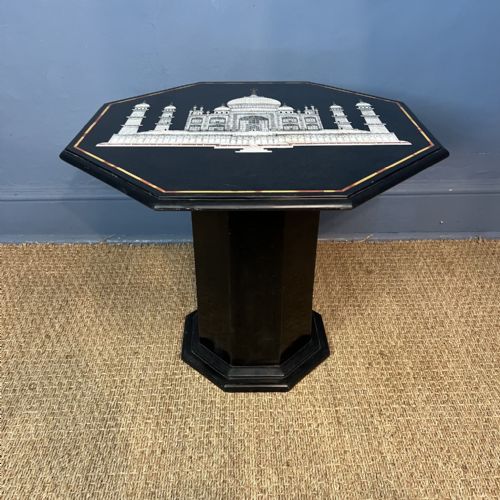
A black pedestal table brings dark, striking form and solid central footing to a room.
Black Pedestal Table
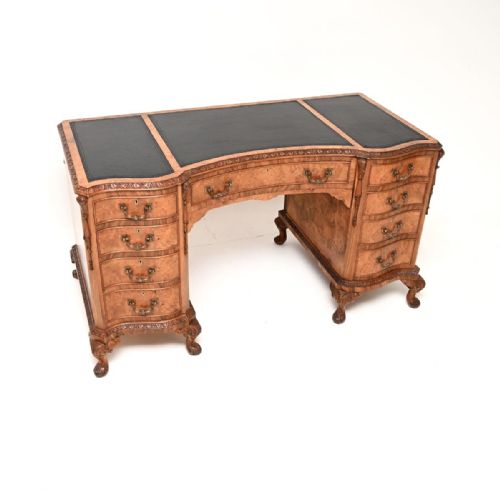
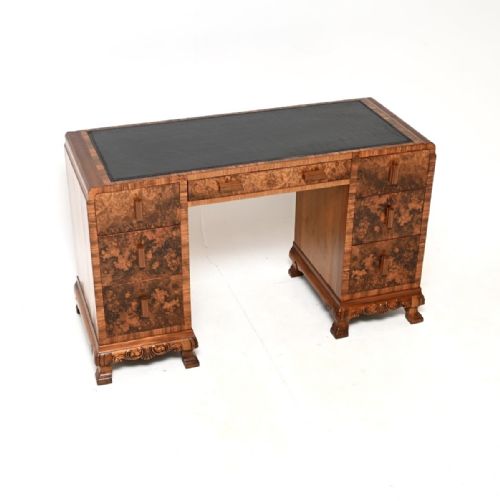
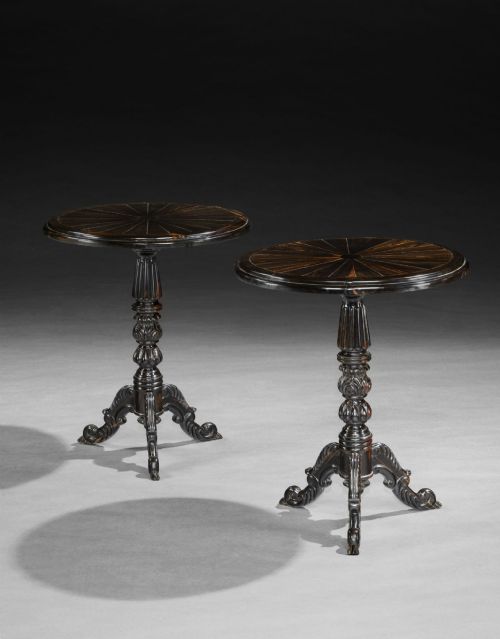
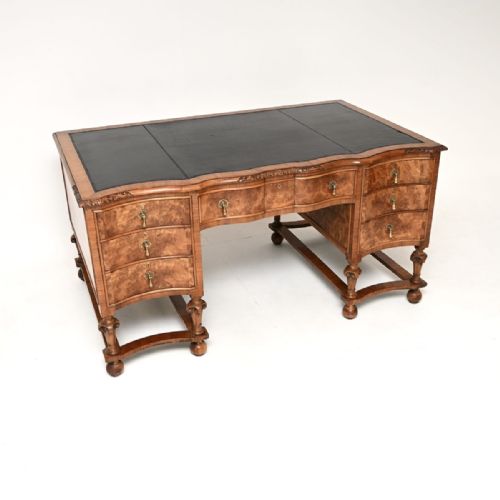
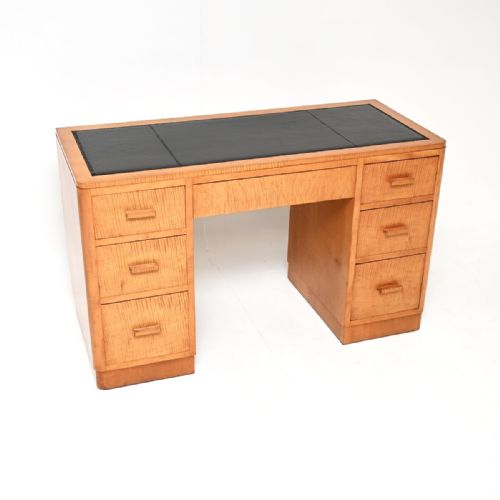
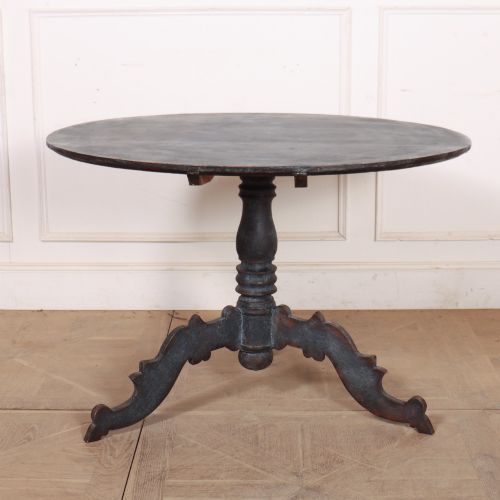
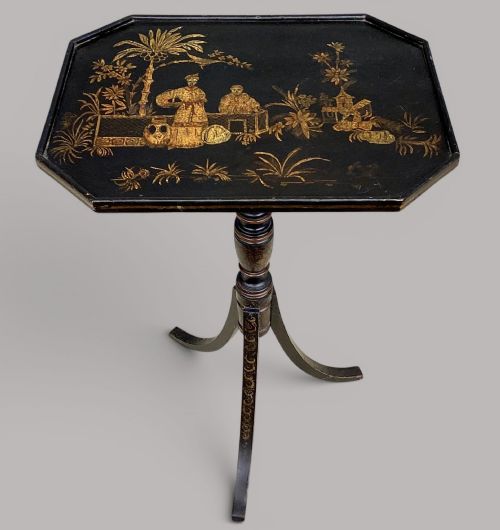
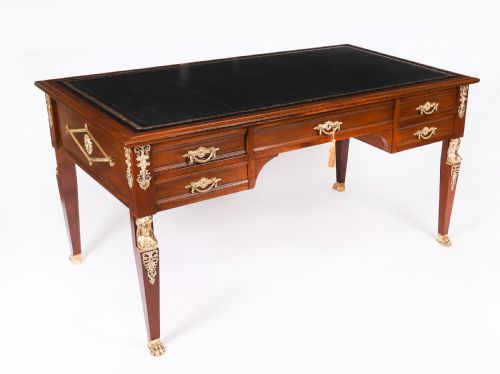
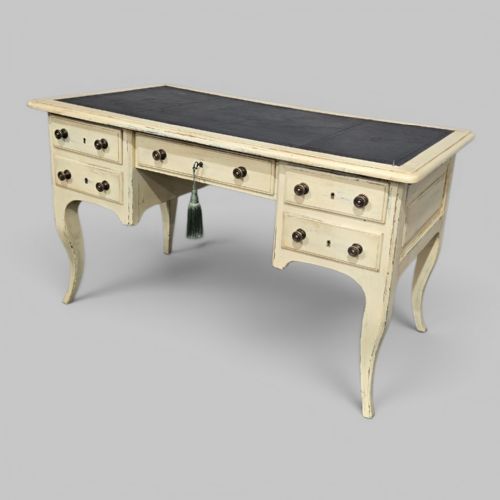
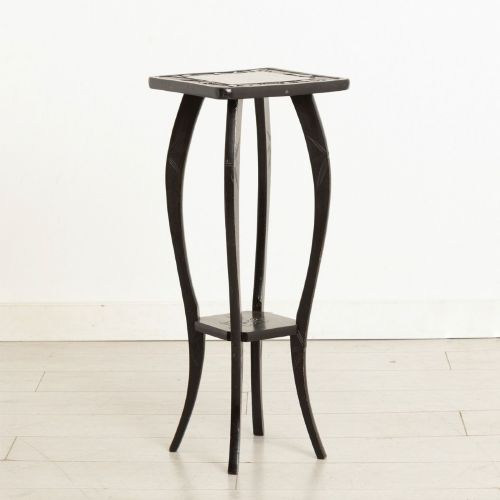
A black pedestal table spans forms such as occasional tables, centre tables, plant stands, and desks resting on central supports. These pieces emerge across the nineteenth century, the Victorian era, and the art deco period.
The versions met most frequently utilise ebonised wood, blackened oak, and painted finishes to achieve their dark surfaces. They appear alongside related forms like tripod tables, gueridons, and small writing desks.
Originating from English, French, German, and broader European workshops, these tables serve practical functions as side supports, display surfaces, and compact writing spaces.
Materials and construction
Construction relies on timbers such as mahogany, oak, and pine coated in ebonised finishes, paint, or japanning to create deep black surfaces. Central columns and pedestals provide structural balance to the tops.
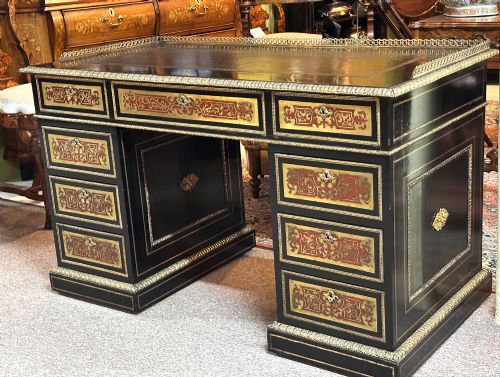
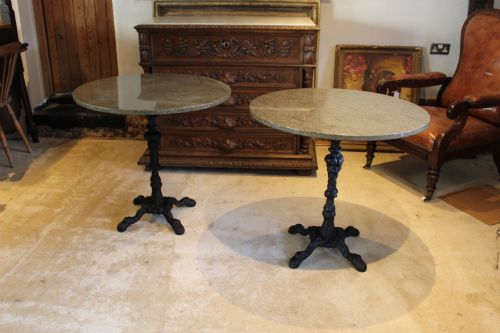
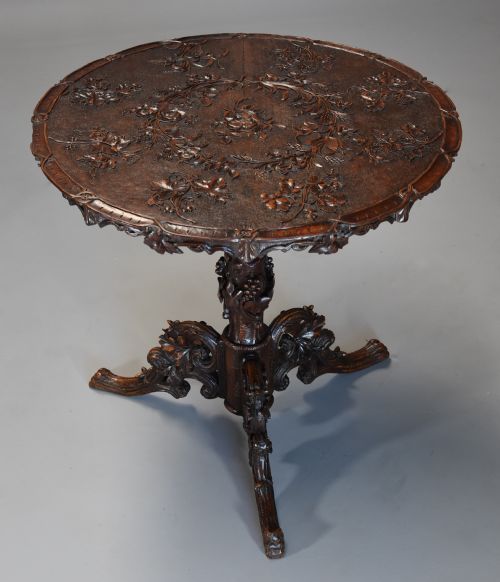
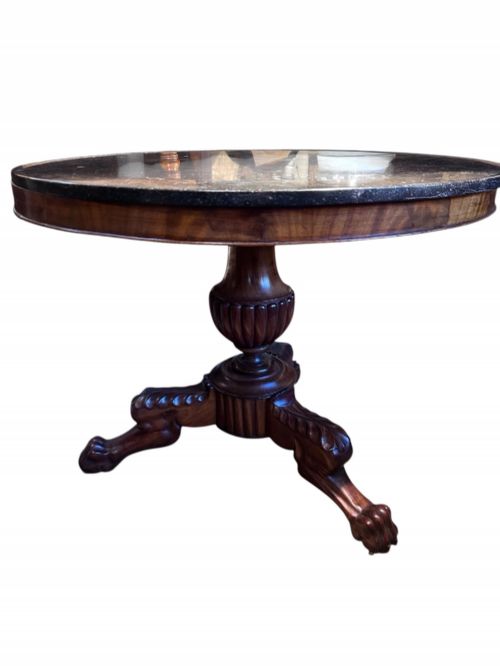
Many examples incorporate contrasting materials, using brass inlay, marble tops, leather inserts, and bone details. Carved ornamentation ranges from simple turned columns to intricate plant and floral motifs.
Black Pedestal Table Retail Price Guide 2026
Typical asking prices for black pedestal table among the pieces listed under this phrase on Sellingantiques today, from the lower quarter to the upper quarter. They describe what is for sale here now, not the wider market.
An antler torchiere stands ready to illuminate the room.
Judging quality
Quality rests in the crispness of the carving, the precision of brass or bone inlay, and the depth of the ebonised or painted finish. Superior pieces show careful joinery at the junction of the central pillar and the feet.
Condition of the upper surface matters, whether polished wood, marble, or inlaid leather, alongside the stability of the central pedestal structure.
Maple and Co·Liberty of London
The Black Pedestal Table Glossary
- Ebonised wood
- Timber treated with stain, dye, or paint to imitate expensive ebony. This technique appears widely on nineteenth-century furniture.
- Gueridon
- A small French round table supported by a central column or figures. These surfaces function as plant stands or occasional tables.
- Tripod table
- A small table raised on three legs sharing a single central pillar. Many examples feature tilt-top mechanisms for storage.
- Japanning
- A European imitation of East Asian lacquerwork using layered varnishes and dark finishes. It is found on various nineteenth-century tables.
- Marquetry
- The art of applying pieces of veneer to a structure to form decorative patterns. This method decorates the tops of fine tables.
Black Pedestal Table: Frequently Asked Questions
What rooms suit a black pedestal table?
These tables fit into hallways, sitting rooms, and bedrooms as compact surfaces for lamps or small objects. Their central column design allows them to occupy minimal floor space.
They pair well with diverse seating arrangements and contrast effectively against lighter walls and flooring.
How do I clean an ebonised surface?
Dust gently with a soft, dry cloth to prevent scratching the dark finish. Avoid harsh chemical cleaners that can strip the ebonisation or paint.
Apply a suitable wax polish occasionally to maintain the sheen of the timber.
What is the difference between a gueridon and a centre table?
A gueridon is typically a small, round table with a single central column, often used for display. A centre table is designed to stand free in the middle of a room with larger proportions.
Both forms utilise pedestal supports in various nineteenth-century styles.
Can I use a plant stand as a side table?
Plant stands provide adequate surface area for small items like cups or books alongside botanical displays. Their sturdy pedestals support modest weights safely.
Check the diameter of the top to ensure it suits your intended daily use.