
Black Papier Mache
Black papier mache brings together polished lacquer surfaces and delicate gilded decoration, offering functional elegance for everyday use.
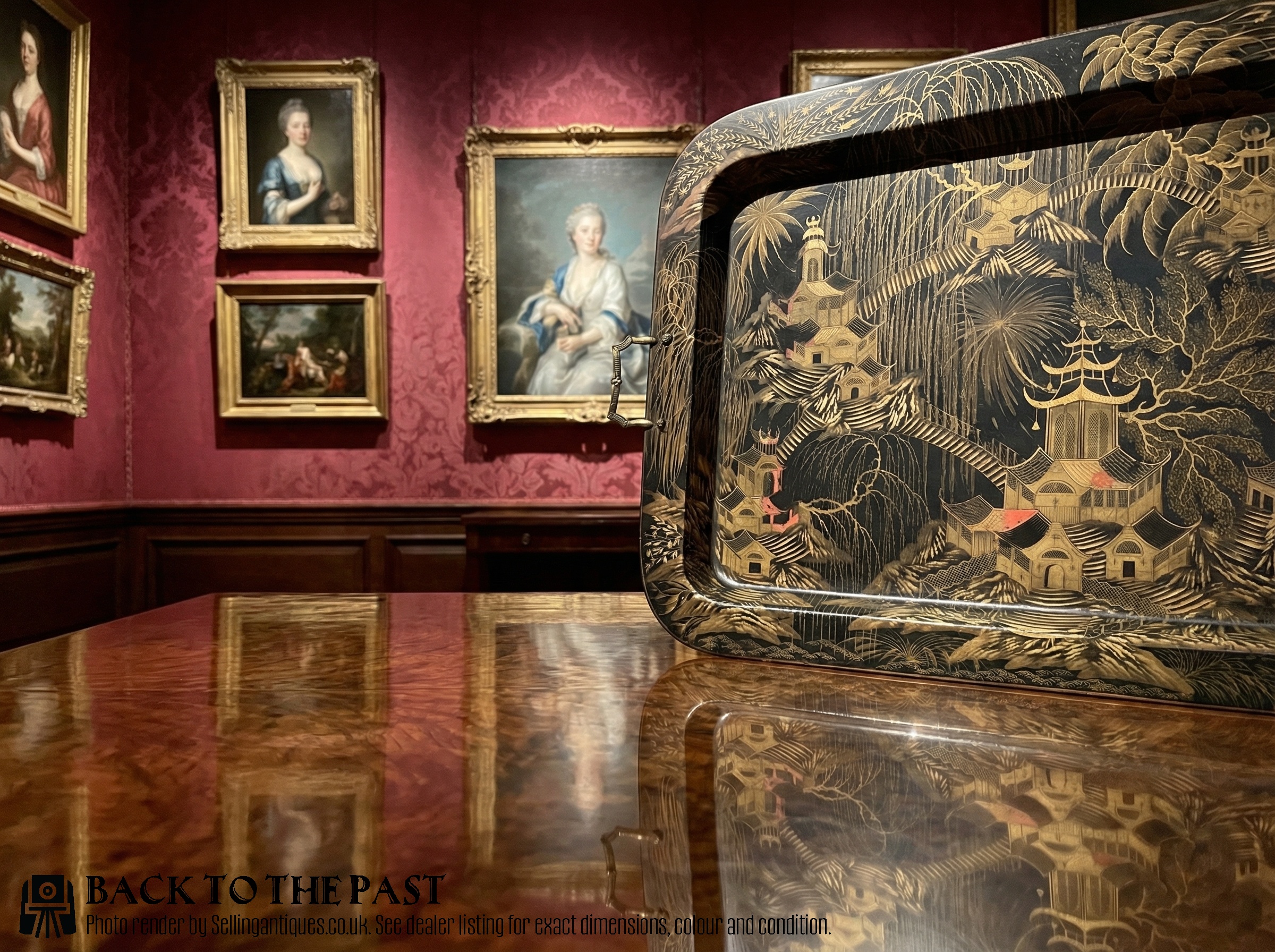
Black Papier Mache
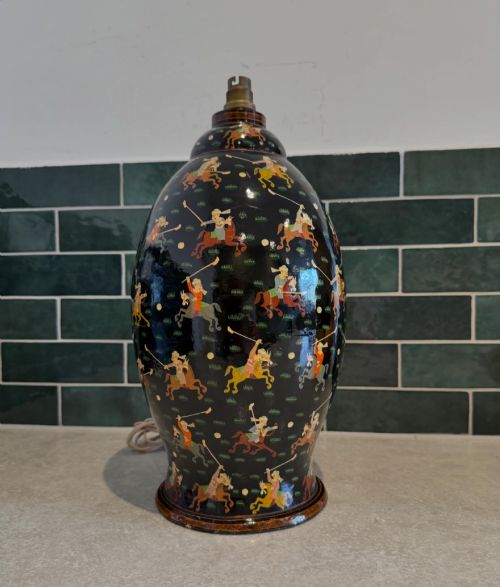
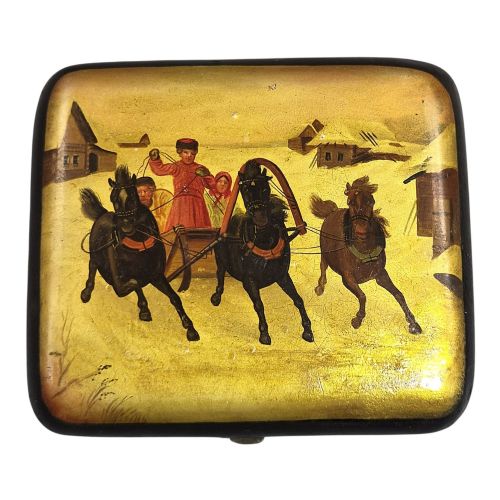
Black papier mache items span utilitarian household goods and decorative objects produced across the nineteenth and early twentieth centuries. Trays, tea caddies, writing boxes, and wine coasters form the core of the selection.
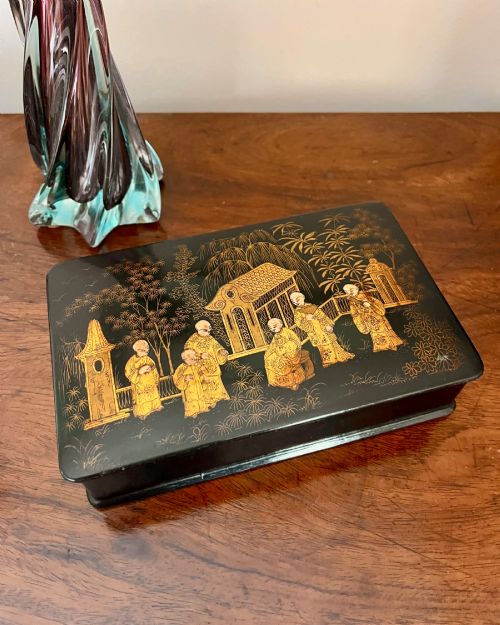
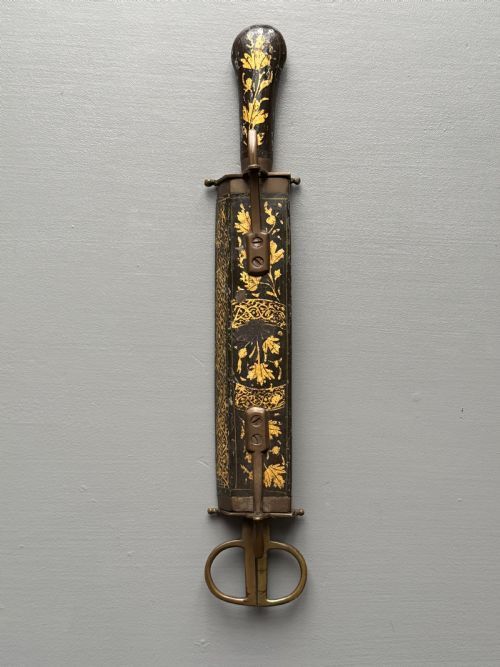
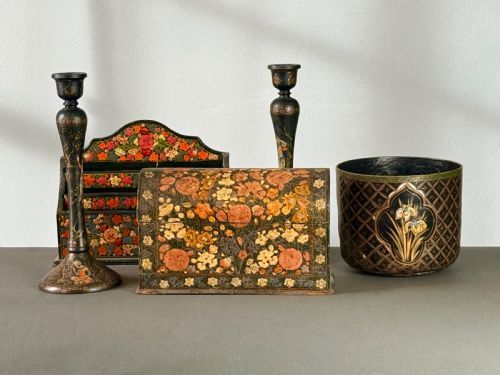
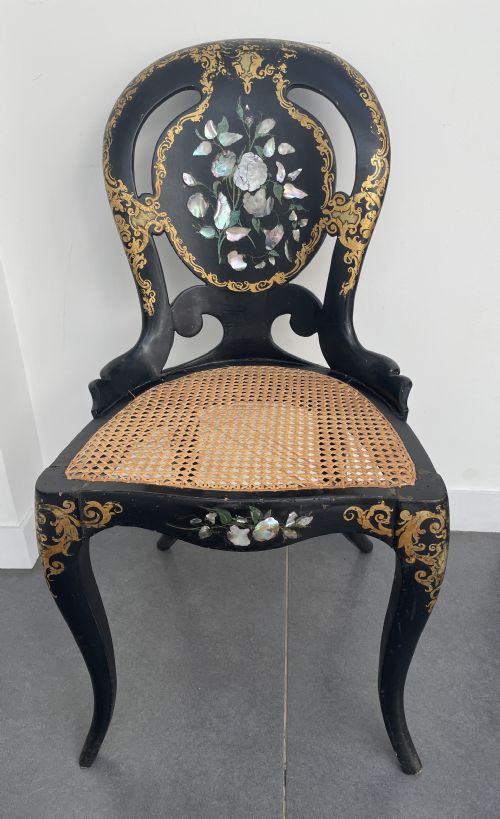
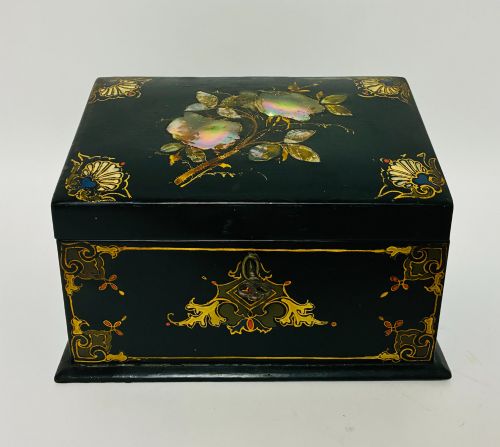
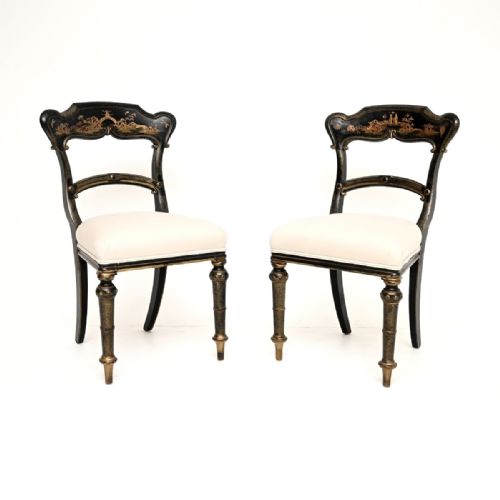
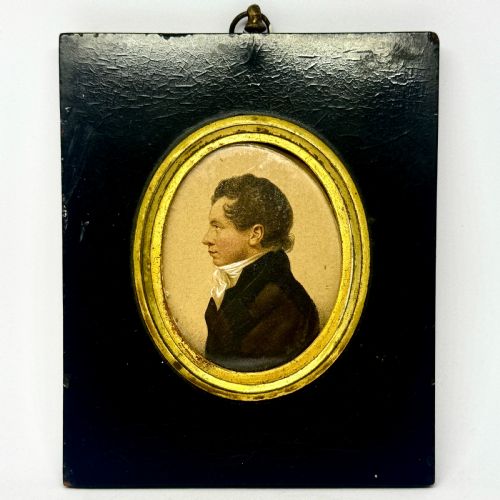
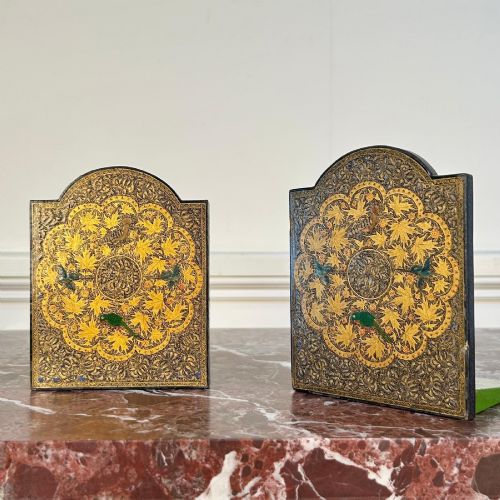
Victorian pieces dominate the range, often combining dark painted surfaces with mother of pearl inlay or chinoiserie motifs. Earlier Regency examples appear alongside Kashmiri and Persian items, showing diverse regional traditions.
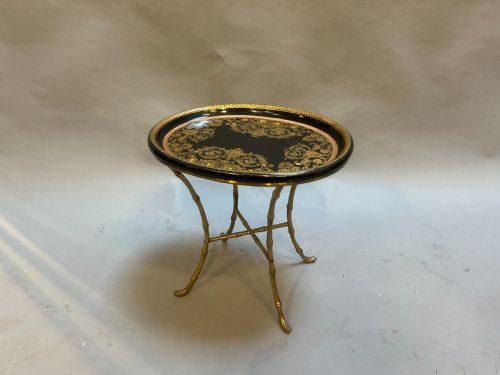
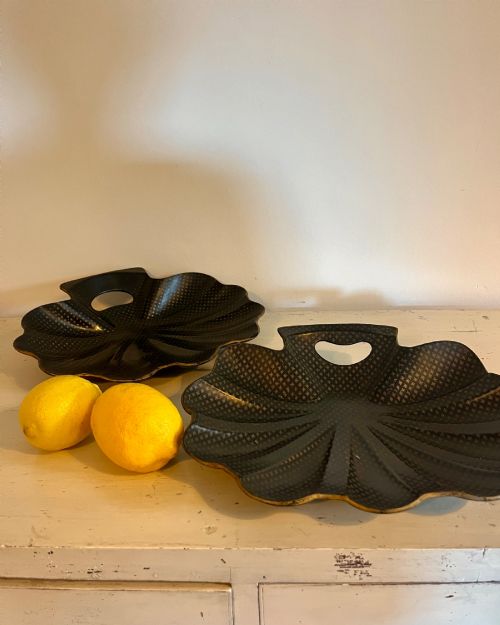
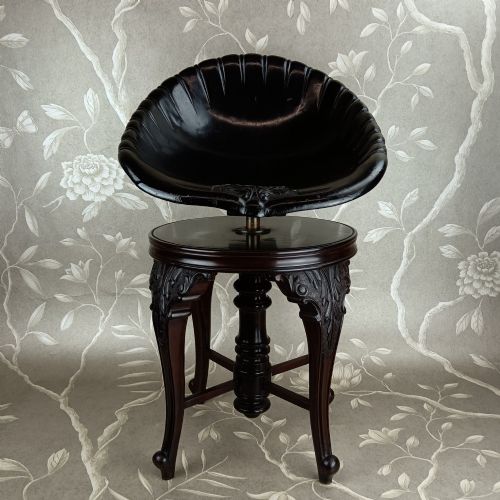
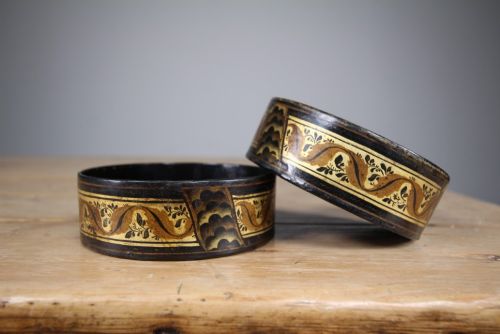
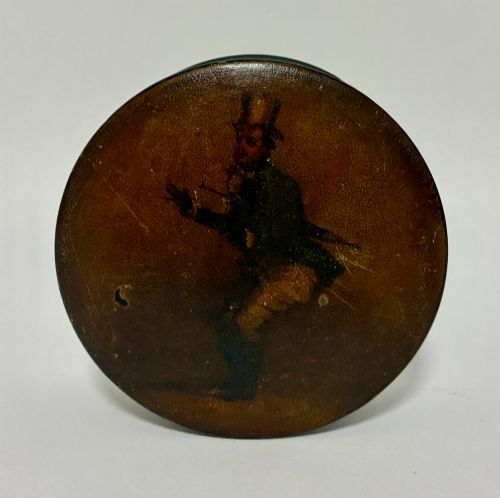
Smaller items such as snuff boxes and card baskets sit alongside larger furnishings including side tables and side chairs. Each piece demonstrates the versatility of pulped paper and lacquer in decorative design.
How they were made
Layers of paper pulp, mixed with glue and resin, were pressed into moulds and subjected to heavy pressure before drying into a rigid board. This robust core received multiple coats of lacquer to create a smooth, deep black finish.
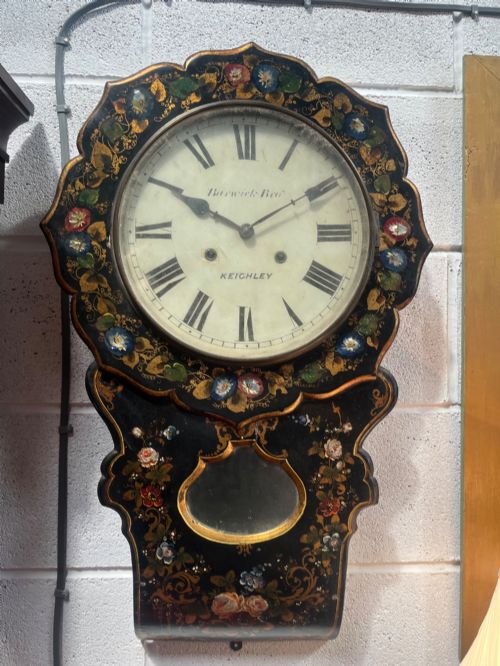
Surface decoration frequently incorporated gold leaf, paint, and inlaid mother of pearl. Skilled artisans applied intricate chinoiserie scenes or floral patterns directly onto the hardened lacquer surface.
Listings feature items from the Georgian, Regency, and Victorian eras, utilising materials including mother of pearl, gold leaf, and lacquer.
What varies in quality
The refinement of the hand-painted details and the precision of the mother of pearl inlay distinguish finer examples from standard production. Superior items display crisp gilding and carefully shaded pictorial scenes rather than stencilled repetition.
The structural integrity of the papier-mâché core and the stability of the lacquer finish dictate the overall standard. Pieces retaining their original glossy depth and uncracked surfaces demonstrate superior material preservation.
Jennens and Bettridge·Vishnyakov Workshop
The Black Papier Mache Glossary
- Papier-mâché
- A composite material made from paper pulp or layers of paper reinforced with glue, moulded and baked until rigid. It provided a lightweight and durable base for decorative objects.
- Chinoiserie
- European artistic style reflecting Chinese artistic influences, commonly featuring figures, pagodas, and landscapes in gold on dark grounds. This style appeared frequently on Victorian trays and furniture.
- Mother of pearl
- The iridescent inner layer of certain mollusc shells, cut into thin pieces and embedded into lacquer surfaces. It added shimmering contrast to dark boxes and furniture.
- Japanned
- European-made goods decorated in imitation of East Asian lacquerwork, typically using dark varnishes and metallic powders. The technique achieved widespread popularity during the Georgian and Regency periods.
- Toleware
- Metalware treated with a lacquered or enamelled finish, often sharing decorative styles with contemporaneous papier-mâché items. It provided durable surfaces for household trays and coal scuttles.
Black Papier Mache: Frequently Asked Questions
How do I clean black papier mache?
Dust surfaces gently with a soft, dry cloth to prevent scratching the delicate lacquer finish. Avoid using water, detergents, or abrasive cleaners, which can cloud the surface.
For stubborn dust or grime, a slightly dampened cloth may be used sparingly, followed immediately by drying with a soft lint-free towel.
Are these items waterproof?
These pieces are not waterproof, despite their hard lacquered finish. Prolonged exposure to moisture or standing liquids will soften the paper core and lift the lacquer.
Use coasters and protective mats if placing cups or damp items on trays, and wipe up spills promptly to protect the material.
How do I date a piece?
Dating relies on stylistic clues, construction methods, and decorative motifs. Regency items often show neoclassical restraint, while Victorian pieces frequently incorporate heavy gilding and mother of pearl inlay.
Maker stamps, where present, provide definitive attribution, though many pieces rely on stylistic comparison with documented examples from the nineteenth century.
Where should I display them?
Keep items away from direct sunlight, radiators, and damp areas to prevent the lacquer from cracking and the paper core from warping. Stable indoor environments preserve the finish best.
Trays and boxes look striking displayed flat on tables or mounted securely on walls, allowing the gilded and inlaid details to catch the room's light.