
Black Accent Table
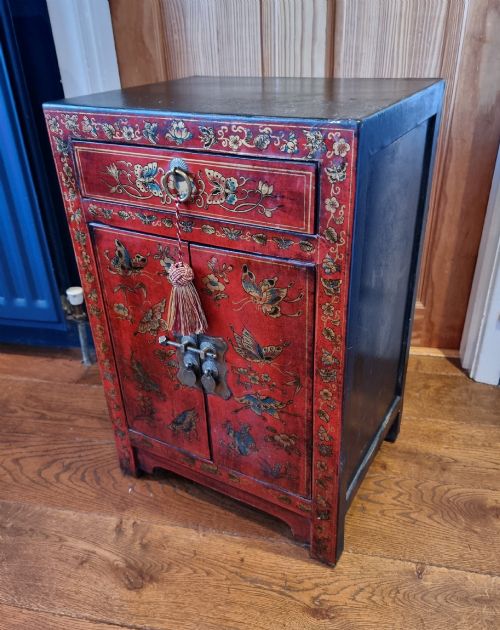
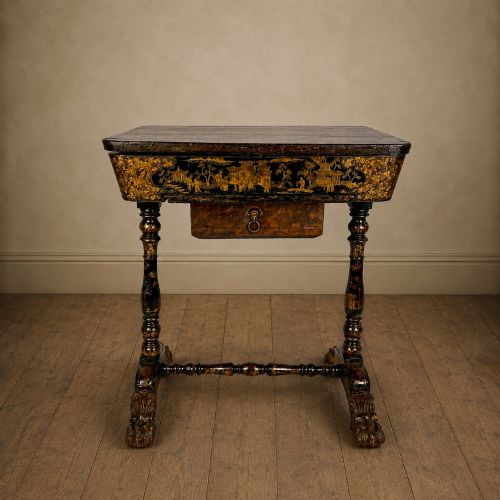
A black accent table brings dark, striking contrast to a room, ranging from Chinoiserie lacquer to ebonised wood.
Black Accent Table
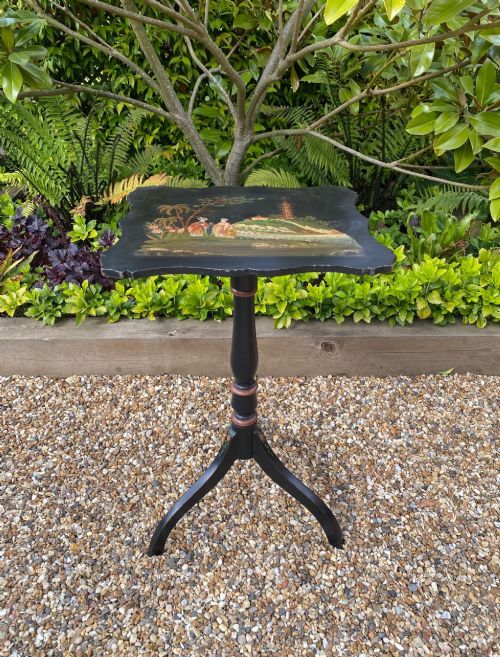
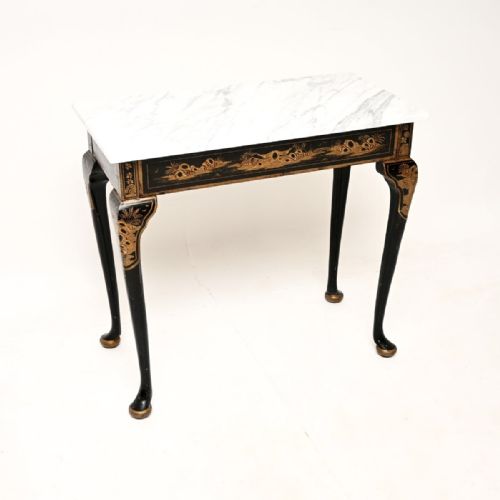
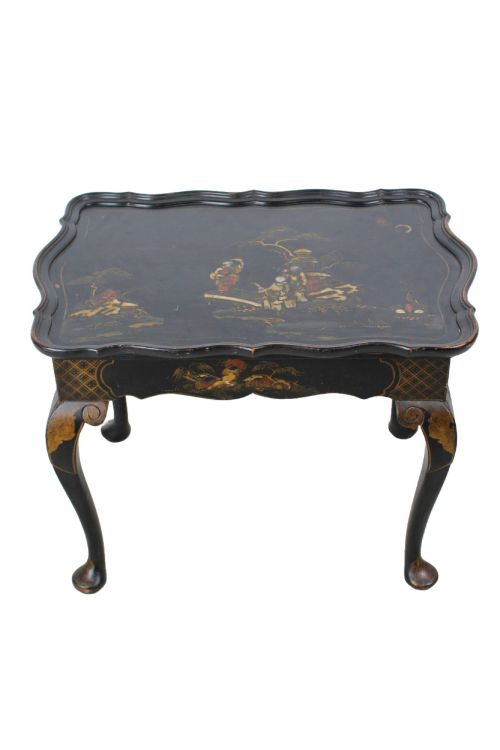
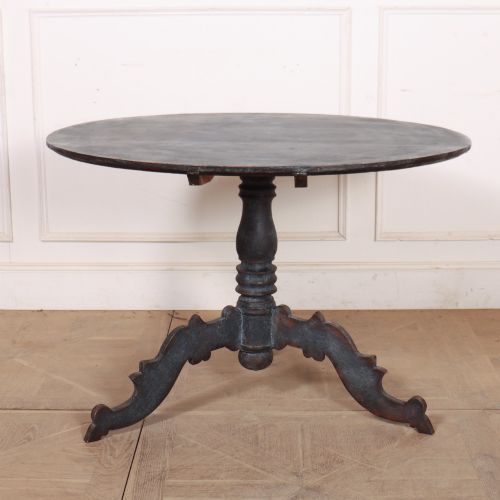
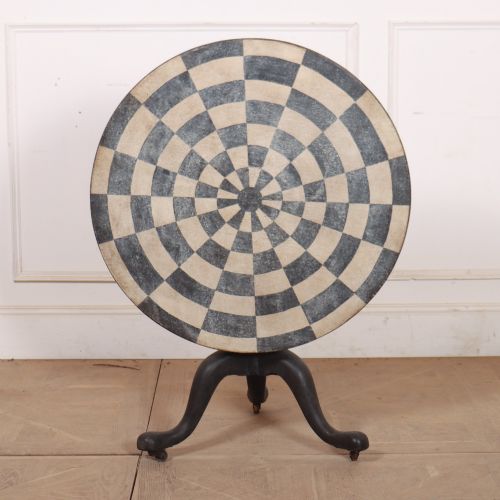
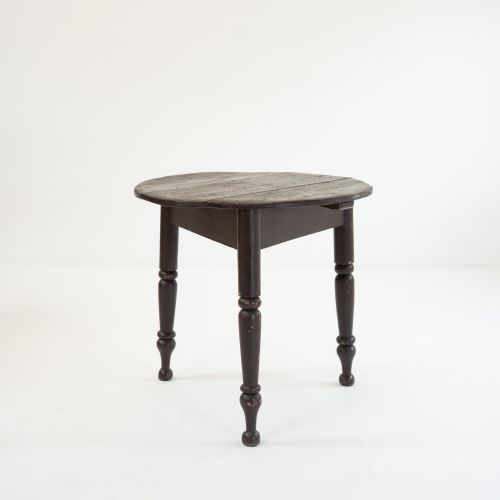
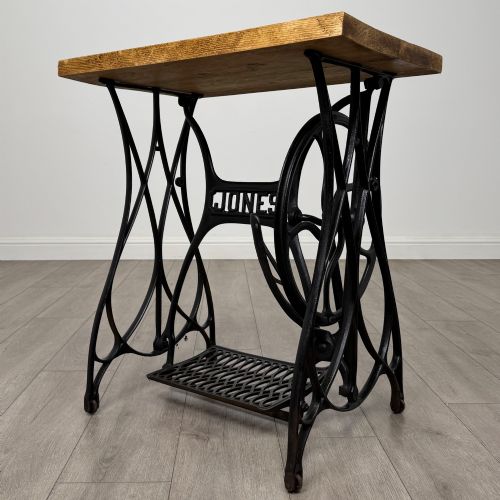
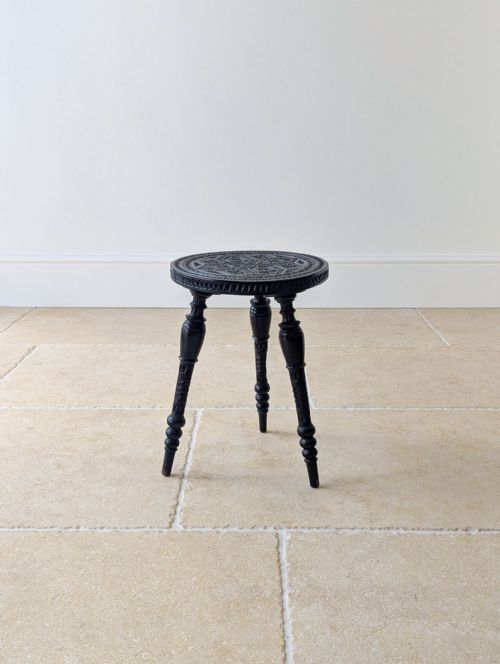
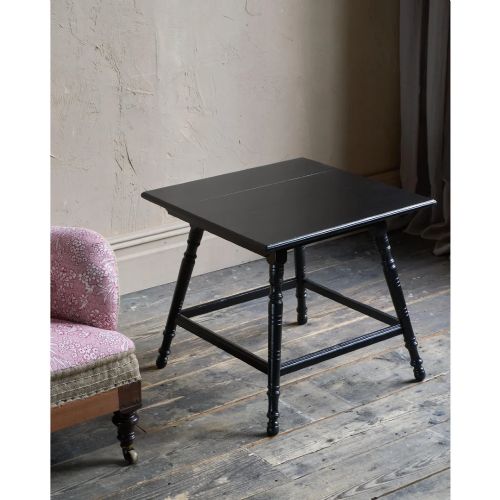
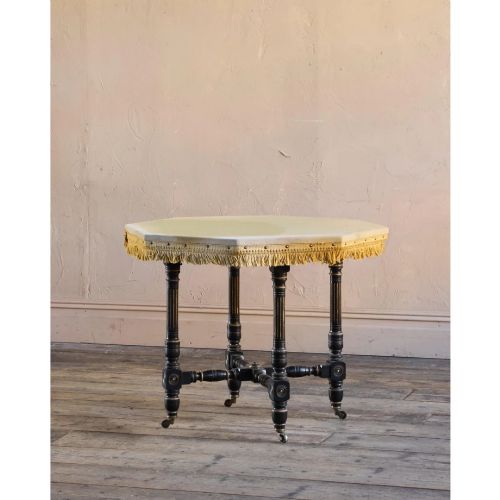
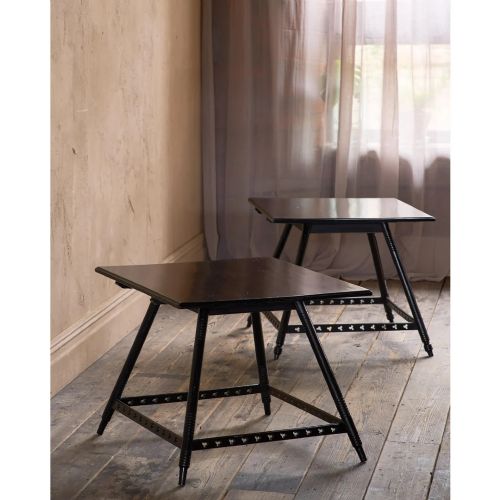
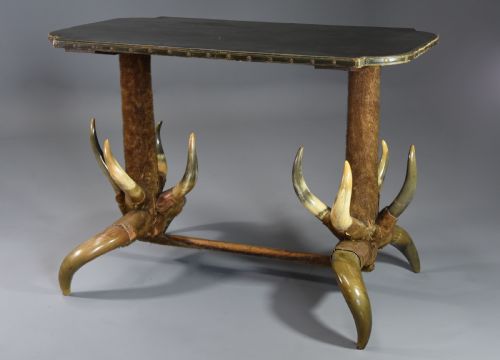
A black accent table encompasses diverse forms such as side tables, occasional tables, centre tables, and coffee tables originating from periods spanning the eighteenth century through to the Art Deco era. Buyers encounter pieces finished in deep dark tones, including ebonised wood, black lacquer, and painted pine.
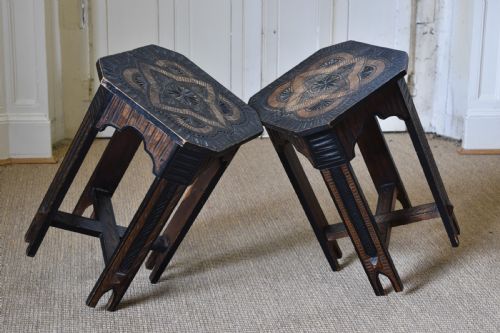
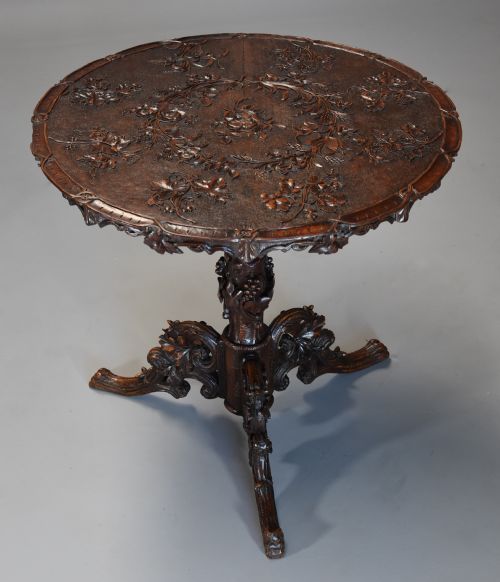
Geographic origins vary widely across the selection, featuring English Sheraton period designs, French styles, Anglo-Indian works, German carvings, and Chinese export pieces. Forms range from simple tripod bases and tray tops to elaborate marquetry and bone inlay.
The selection includes specific stylistic movements such as Victorian, Aesthetic Movement, and Art Deco. These pieces function primarily as functional surface furniture while providing strong visual anchors within domestic interiors.
How they were made
Constructed predominantly from woods such as pine, oak, and linden, many pieces rely on ebonisation to achieve a dense black finish that mimics costly ebony. Other surfaces receive layers of lacquer or paint, sometimes supplemented by hand-carved details or chip carving.
Decoration incorporates materials like brass, gilt, and marble tops, alongside intricate bone inlay and penwork. Craftspeople employed techniques ranging from traditional joinery and turning to specialised Oriental lacquer application and export craftsmanship.
What varies in quality
Quality rests upon the execution of the surface finish and the integrity of the underlying construction. Pieces exhibiting meticulous hand-carving, well-preserved lacquer, or intricate bone and marquetry inlay demonstrate superior craftsmanship compared to simpler painted surfaces.
The pedigree of the maker or design influence also dictates distinction. Examples associated with recognised retailers, specific stylistic movements like the Aesthetic Movement, or precise regional traditions command greater interest than standard utilitarian versions.
Hindley and Sons·Liberty of London
The Black Accent Table Glossary
- Ebonised Wood
- Timber treated with chemical stains or dark finishes to resemble dense ebony. This technique gained widespread popularity during the Victorian and Aesthetic Movement periods.
- Chinoiserie
- European decorative art imitating Chinese artistic styles. These pieces often feature raised black lacquer and gilt motifs.
- Marquetry
- Inlay technique using thin pieces of wood veneer to form decorative patterns. Artisans often combined wood with bone or metal elements on table tops.
- Tripod Table
- A small moveable table supported by a central pillar and three legs. They appear frequently in eighteenth and nineteenth-century English and continental rooms.
Black Accent Table: Frequently Asked Questions
Where did people place these tables?
These tables served various domestic functions depending on their form, acting as surfaces for lamps, sewing tasks, or display. Side and occasional tables sat beside seating areas or against walls in parlours and drawing rooms.
Centre tables occupied the middle of larger spaces as focal points, while tray top and supper tables provided moveable utility for refreshments and daily activities.
How do I identify an ebonised finish?
Ebonisation involves staining closed-grain wood to create a deep, uniform dark surface rather than applying an opaque modern paint. Examining the grain under bright light reveals the natural texture of the underlying timber beneath the dark tone.
This technique appeared frequently on Victorian and Aesthetic Movement furniture to achieve the appearance of expensive exotic hardwoods.
What defines Chinoiserie decoration?
Chinoiserie pieces display European interpretations of Asian design motifs, typically rendered in gold paint or raised lacquer upon a black background. These decorative schemes depict figures, pavilions, and landscapes.
The style recurred across different eras, notably during the eighteenth-century Sheraton period and later nineteenth-century revivals.
How do I care for antique lacquer surfaces?
Antique lacquer requires gentle dusting with a soft, dry cloth to prevent scratching the delicate finish. Avoid using chemical polishes, modern solvents, or water directly on the surface.
Keep these tables away from direct sunlight and excessive heat fluctuations to protect the underlying wood and prevent lacquer cracking.